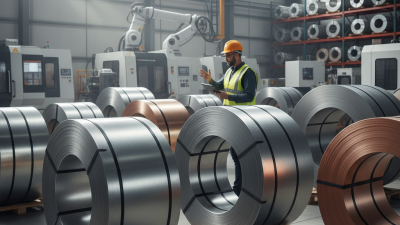
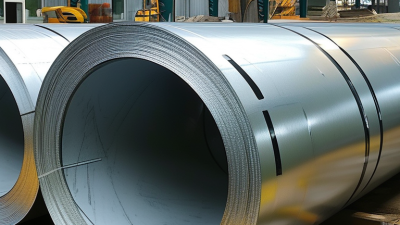
Metal Coils are essential because they connect raw metal production with the daily reality of manufacturing. Steel, aluminum, copper, and specialty alloys arrive in compact, continuous forms. These forms support stamping, rolling, slitting, bending, and automated fabrication. A single coil can feed thousands of components with consistent speed.
The details matter. Engineers examine thickness, width, surface finish, tensile strength, and chemical composition before production begins. Mill certificates and independent testing help verify these properties. In an automotive plant, a coil may become door panels, brackets, or structural parts within hours. In construction, coated coils can become roofing sheets, wall panels, and drainage systems. Appliance makers also depend on predictable coil performance for cabinets, panels, and internal frames.
Consistency saves time.
It also reduces waste.
Yet no coil is perfect. Storage humidity can cause corrosion, while improper tension may create edge damage or uneven feeding. Manufacturers must match the alloy, coating, temper, and dimensions to each application. Practical experience often reveals problems that specifications overlook. A supplier may meet the stated thickness but still provide material that performs poorly during forming. Careful inspection, traceability, and communication remain necessary across international supply chains. This article examines why Metal Coils remain central to global manufacturing, while recognizing that efficiency depends on responsible sourcing, accurate data, and skilled judgment. Their importance is clear, but their performance still requires attention at every stage.
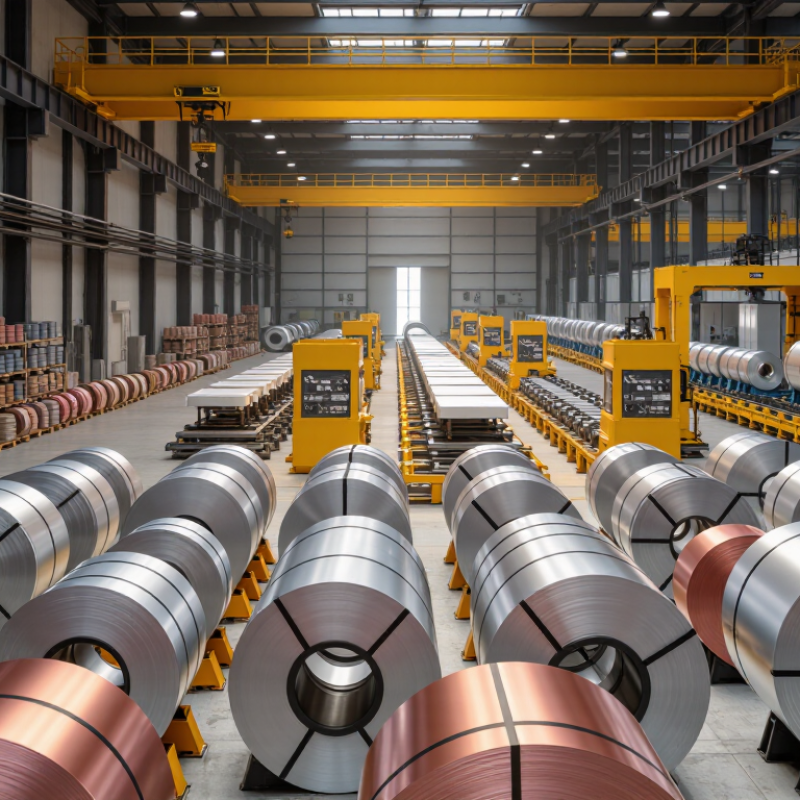
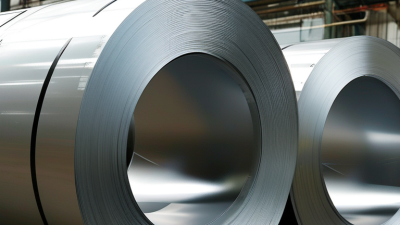
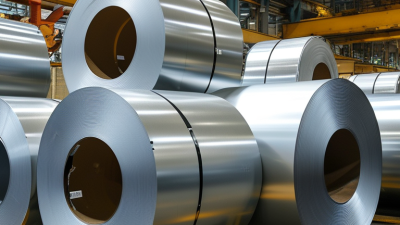
Metal coils are long, flat strips of metal wound tightly around a core. They are commonly made from steel, stainless steel, aluminum, copper, and specialized alloys. Their circular form saves storage space and supports continuous processing. A coil can feed a production line steadily, without frequent material changes.
01 It starts hot. In a mill, heated slabs pass through powerful rollers until they reach the required thickness. Some products receive further cold rolling for smoother surfaces and tighter dimensions. Sensors measure thickness, temperature, and tension during each pass. Operators also inspect edges, because small cracks can expand during later forming. That detail matters.
02 After rolling, the strip may undergo annealing, pickling, coating, or leveling. Annealing softens the metal by controlling heat and cooling. Pickling removes scale from the surface, although excessive treatment can damage the finish. The cleaned strip is then recoiled under carefully controlled tension. Poor tension can create telescoping edges or uneven layers. These defects are not always obvious at first.
03 Quality checks examine width, gauge, surface condition, chemical composition, and mechanical strength. Samples may be tested for hardness, elongation, and resistance to corrosion. Manufacturing records also trace furnace settings, rolling passes, and inspection results. In practical production, consistency is difficult. Even a clean process can produce variation. Humidity, tool wear, and tiny temperature changes can influence the final coil. Good engineering depends on measuring those details rather than assuming the process is perfect.
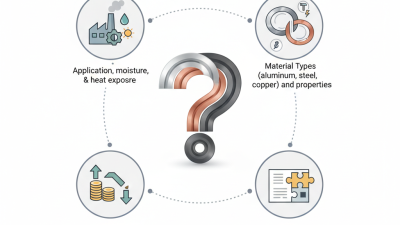
Why Are Metal Coils Essential for Global Manufacturing?
Metal coils combine strength, consistency, and efficient handling. They arrive as continuous sheets wound around compact cores. This format reduces storage space and supports automated feeding lines. The World Steel Association reported 1.89 billion tonnes of crude steel production in 2023. That scale shows why dependable coil processing matters across construction, transport, appliances, and energy equipment.
Key Properties That Make Metal Coils Valuable
Uniform thickness helps manufacturers control forming pressure and reduce material waste. High tensile strength supports durable panels, frames, and structural parts. Good ductility allows steel and aluminum coils to bend without sudden cracking. The International Aluminium Institute recorded about 70.6 million tonnes of primary aluminum production in 2023. Aluminum coils also offer low density and strong corrosion resistance. Electrical conductivity matters, too, especially for power equipment and heat-transfer components. Surface quality remains critical. Small scratches can become visible after painting or stamping.
Tips: Match coil grade, thickness, width, and temper to the forming process. Check certificates and test results before production. ASTM and ISO methods can verify tensile strength, elongation, and dimensional accuracy. Store coils on stable supports, away from moisture and contaminants. No coil is perfect. Edge damage, residual stress, or slight gauge variation can still appear. Engineers should inspect incoming material instead of trusting specifications alone. In practice, the cheapest coil may create higher costs through rejects, rework, and downtime.
Metal coils support major manufacturing processes by providing a continuous, controlled supply of steel, aluminum, and other engineered metals. Their compact form reduces handling time and keeps production lines moving. In stamping operations, a press draws flat strip into panels, brackets, housings, and structural parts. Consistent thickness matters because small variations can change forming pressure and final dimensions.
Roll forming uses shaped rollers to create long profiles with repeatable bends. These profiles appear in construction frames, vehicle components, shelving, and industrial enclosures. Slitting machines divide wide coils into narrower strips for specialized equipment. Leveling units then remove unwanted curvature before cutting, welding, or assembly. A clean edge helps reduce cracking and improves joint quality.
Manufacturers usually inspect coil grade, width, gauge, surface condition, and batch records before processing. Experienced operators also watch tension, lubrication, tool wear, and line speed. A poorly matched coil can cause wrinkles, scratches, or costly downtime. It happens more often than production reports suggest. Some material may meet its certificate requirements but still behave differently during forming. Humidity, storage time, and minor surface marks can influence results.
Reliable coil management therefore depends on testing, traceability, calibrated instruments, and practical shop-floor judgment. Engineers may adjust die clearance or forming speed after reviewing real production data. Automated systems help, but they do not replace careful observation. A machine cannot always explain why yesterday’s stable process changes today.
| Manufacturing Process | How Metal Coils Are Used | Common Coil Materials | Typical Thickness Range | Typical Width Range | Primary Manufactured Products | Manufacturing Value |
|---|---|---|---|---|---|---|
| Slitting | A wide master coil is cut longitudinally into narrower coils for downstream production. | Carbon steel, stainless steel, aluminum, copper, and coated steel | Approximately 0.20–6.00 mm | Approximately 20–2,000 mm before slitting | Strips, blanks, tubes, profiles, electrical components | Creates precise widths, reduces material handling, and supports continuous processing. |
| Stamping and Press Forming | Coil-fed presses progressively cut, bend, draw, or emboss sheet metal into shaped parts. | Low-carbon steel, high-strength steel, stainless steel, and aluminum | Approximately 0.40–3.00 mm | Approximately 100–1,500 mm | Brackets, panels, housings, clips, structural parts | Enables high-volume production with repeatable dimensions and limited manual handling. |
| Roll Forming | A continuous strip passes through successive rollers that form a fixed cross-sectional profile. | Galvanized steel, pre-painted steel, stainless steel, and aluminum | Approximately 0.50–3.00 mm | Approximately 25–1,500 mm | Roofing panels, rails, framing members, channels, door components | Produces long, consistent sections with high material utilization and low scrap. |
| Tube and Pipe Forming | Coil strip is shaped into a tube and joined by welding or other forming methods. | Carbon steel, stainless steel, galvanized steel, and aluminum | Approximately 0.50–12.00 mm | Approximately 25–2,000 mm, depending on the product line | Structural tubing, conduits, fluid lines, frames, and mechanical sections | Provides a continuous feedstock for long products and supports automated welding operations. |
| Cut-to-Length and Blanking | Coils are leveled and cut into flat sheets or shaped blanks before forming or assembly. | Hot-rolled steel, cold-rolled steel, stainless steel, and aluminum | Approximately 0.40–10.00 mm | Approximately 300–2,000 mm | Sheet blanks, body panels, machine plates, covers, and base components | Improves dimensional control and allows blank size to be matched to the final component. |
| Galvanizing and Metallic Coating | Steel coil is cleaned and coated continuously with zinc or another metallic layer for corrosion protection. | Low-carbon steel and structural steel | Approximately 0.25–3.00 mm | Approximately 600–1,850 mm | Building panels, roofing, ductwork, automotive parts, and appliances | Adds corrosion resistance while preserving the efficiency of continuous coil processing. |
| Painting and Organic Coating | A pretreated coil receives primer and finish coatings before it is formed or cut into components. | Galvanized steel, aluminum, and zinc-aluminum-coated steel | Approximately 0.30–2.00 mm | Approximately 600–1,850 mm | Exterior cladding, roofing, appliances, partitions, and enclosures | Combines surface protection and color application in one continuous production route. |
| Automotive and Transport Manufacturing | Coil-fed lines supply material for body panels, reinforcements, chassis parts, and thermal components. | Advanced high-strength steel, galvanized steel, aluminum, and stainless steel | Approximately 0.60–3.00 mm for many formed sheet components | Approximately 800–2,000 mm | Body panels, crash structures, brackets, wheels, and underbody parts | Supports lightweighting, repeatable forming, and high-throughput assembly. |
| Construction and Infrastructure | Coils are converted into structural sections, roofing, cladding, reinforcement products, and drainage components. | Structural steel, galvanized steel, pre-painted steel, aluminum, and stainless steel | Approximately 0.40–12.00 mm | Approximately 300–2,000 mm | Roofing sheets, wall panels, purlins, decking, gutters, and framing | Offers scalable material supply for durable, standardized, and modular construction products. |
| Electrical and Energy Equipment | Thin electrical steels and conductive metals are processed into cores, busbars, shielding, and enclosures. | Grain-oriented electrical steel, non-oriented electrical steel, copper, aluminum, and stainless steel | Approximately 0.15–3.00 mm | Approximately 20–1,500 mm | Transformer cores, motor laminations, busbars, cabinets, and battery components | Provides controlled thickness, electrical performance, conductivity, and efficient nesting of parts. |
Note: Thickness and width figures are representative industrial ranges and vary according to material grade, product standard, equipment capacity, and end-use requirements.
Metal coils support production lines that need consistent thickness, strength, and surface quality. In automotive plants, large coils become body panels, brackets, exhaust components, and structural parts. A single defect can affect stamping accuracy and create costly waste. Engineers therefore inspect coil edges, hardness, coating, and dimensional tolerance before production begins.
Construction manufacturers also depend on coiled steel and aluminum. Roofing panels, wall systems, ventilation ducts, and framing components often start as rolled material. Coils allow automated machines to produce long sections with fewer interruptions. On a busy line, this can reduce handling time and improve worker safety. However, choosing the wrong alloy may cause bending cracks or premature corrosion.
Appliance makers use metal coils for refrigerator shells, washing machine panels, and internal supports. Electrical equipment producers require reliable conductive materials for cabinets, trays, and protective enclosures. In my experience, storage conditions matter more than many buyers expect. Moisture, dust, and careless stacking can damage surfaces before fabrication begins. That assumption can fail.
Medical equipment, packaging, and renewable energy manufacturing also rely on coil materials. Clean surfaces are important for medical housings, while packaging lines need predictable forming behavior. Solar mounting systems demand strength and weather resistance. Material data, supplier testing, and traceable inspection records help manufacturers control these risks. Small details matter.
Metal coil selection affects forming accuracy, production speed, and service life. The World Steel Association reported about 1.89 billion tonnes of crude steel production in 2023. That scale makes small specification errors expensive. Coil buyers should examine grade, thickness, width, yield strength, and surface condition together. A high-strength coil may reduce material weight, yet it can increase springback during stamping. Thin gauges can improve efficiency, but they may wrinkle under unstable tension.
Coating choice depends on the working environment. Galvanized steel suits many humid applications, while aluminum-zinc coatings can offer different thermal and corrosion behavior.
ISO and ASTM test methods help verify coating mass, hardness, elongation, and dimensional tolerance. However, certificates do not replace incoming inspection. A coil can meet the written grade and still perform poorly after transport, storage, or edge damage.
The International Aluminium Institute reported global primary aluminum production above 70 million tonnes in 2023. This growth reflects demand for lighter components, but weight is not the only concern. Engineers must compare formability, conductivity, recyclability, and joining behavior.
In my assessment, selection often focuses too heavily on purchase price. That is a weakness. Trial forming, surface checks, and feedback from operators reveal practical problems earlier.
No coil grade is universally best. Process conditions matter.