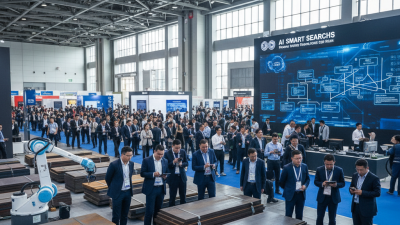
China Top Metal Coils Suppliers for Global Buyers?
China has become a major sourcing destination for Metal Coils, serving construction, automotive, appliance, energy, and fabrication markets worldwide. Yet “top supplier” should not mean the cheapest quotation. It should mean consistent quality, clear documentation, dependable production, and practical export support.
Edwin Basson, Director General of the World Steel Association, has stated, “Steel is the most used and most recycled material in the world.” This perspective matters when buyers assess steel coils for long-term value. A reliable supplier should provide mill test certificates, chemical composition data, dimensional tolerances, coating details, and traceable batch information. These documents help buyers compare products beyond attractive pricing.
Details often decide the result. A coil may arrive with excellent surface finish but unsuitable edge condition. Packaging may appear secure, yet moisture protection might be weak during ocean transport. Small gaps can become expensive problems.
This guide examines leading Chinese Metal Coils suppliers through measurable criteria. It considers production capacity, equipment, quality systems, export experience, lead times, and after-sales communication. Certifications such as ISO 9001 can support confidence, but certificates alone do not prove daily performance. Buyers should request recent inspection records, sample reports, and references from similar markets.
No supplier is perfect. Even experienced exporters can face schedule changes, raw-material volatility, or misunderstandings about specifications. That is why careful inquiry matters. A strong supplier relationship depends on written requirements, realistic tolerances, transparent pricing, and continuous verification. The following overview aims to help global buyers make a more informed choice, while recognizing that the best supplier depends on product grade, destination, volume, and application.
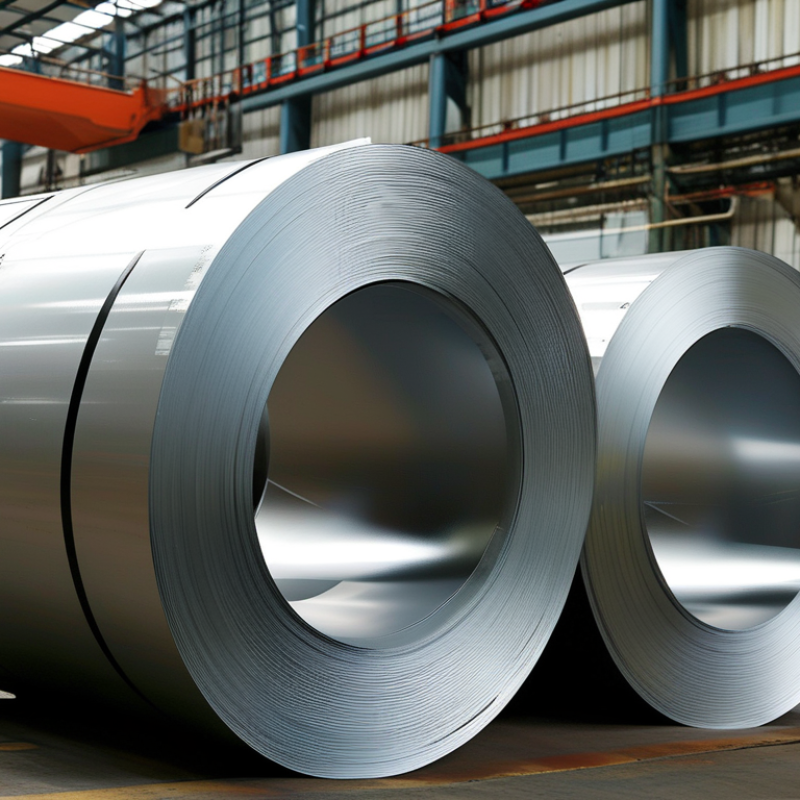
Metal Coil Types and Their Industrial Applications
Metal Coil Types and Their Industrial Applications
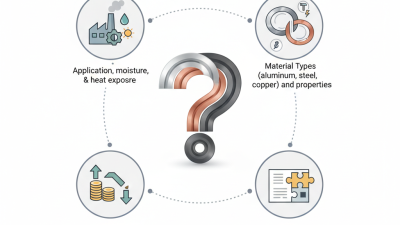
Metal coils support many manufacturing processes, from vehicle panels to roofing systems. The right type depends on strength, corrosion resistance, thickness, and forming requirements. Cold rolled steel coils provide smooth surfaces and tight dimensions. They suit appliances, furniture, precision components, and automotive interiors. Hot rolled coils offer higher flexibility and lower processing costs. Manufacturers often use them for structural frames, machinery parts, and construction beams.
Galvanized coils carry a protective zinc layer. This coating helps resist moisture, making them useful for roofing, ducts, fencing, and outdoor enclosures. Galvalume coils combine aluminum and zinc protection. They perform well in demanding building environments, although forming conditions must be checked carefully. Stainless steel coils provide excellent corrosion resistance and a clean appearance. Food equipment, medical tools, chemical tanks, and architectural panels commonly use them.
Aluminum coils are lightweight and naturally resistant to corrosion. They appear in transportation panels, heat exchangers, packaging, and energy equipment. Copper coils conduct heat and electricity efficiently. They are common in refrigeration lines, electrical components, and industrial cooling systems. Coil buyers should verify grade, temper, coating weight, surface finish, and edge quality before ordering. Documentation matters too, including test reports and dimensional records. A supplier may offer an attractive price, but inconsistent flatness can create costly production delays. No coil choice is perfect. Actual forming trials and application feedback still deserve attention.
How to Evaluate Metal Coil Suppliers in China
China Top Metal Coils Suppliers for Global Buyers?
How to Evaluate Metal Coil Suppliers in China
Selecting a metal coil supplier requires more than comparing prices. Start by checking production experience, equipment capacity, and product specialization. Ask for recent mill test certificates, chemical results, mechanical data, and coating measurements. The heat number should match the coil label and inspection records. This small detail often reveals whether documents are reliable.
Request samples before placing a large order. Measure thickness at several points, inspect edge quality, and test surface consistency under strong light. For galvanized or painted coils, check coating weight, adhesion, and color variation. A professional supplier should explain its tolerances clearly. Vague answers are a warning sign. They may indicate weak process control.
A factory audit can show more than a polished website. Examine slitting lines, storage conditions, packaging methods, and moisture protection. Confirm how complaints are recorded and corrected. Ask for production photos with dates, but do not treat photos as proof. Independent inspection before shipment adds useful protection, especially for new suppliers. I have learned that fast communication is valuable, but it can also hide rushed promises. Some suppliers provide excellent samples yet struggle with consistent mass production. Discuss lead times, minimum quantities, export documents, and payment terms in writing. Keep every specification in one approved document. Mistakes still happen. Clear records make them easier to trace and correct.
China’s Leading Metal Coil Manufacturing Regions
China’s metal coil industry is spread across several powerful manufacturing regions.
Hebei and Tianjin are well known for carbon steel, galvanized coils, and pre-painted products.
Jiangsu has strong stainless steel and precision rolling capacity.
Zhejiang supports flexible processing, slitting, and smaller order volumes.
Shandong offers large flat steel production and convenient port access.
Guangdong is important for aluminum and stainless steel used in construction and manufacturing.
Each region has different strengths.
No region is perfect.
For global buyers, location alone does not prove quality.
A reliable supplier should provide
recent mill certificates,
coating test results,
thickness tolerance data,
and clear coil specifications.
Check the coil width, inner diameter, surface finish, yield strength, and edge condition.
Port distance also affects delivery planning and inland freight costs.
In practical sourcing, buyers often discover that a low quotation hides limited stock or longer production schedules.
That lesson is easy to miss.
Tips:
Compare suppliers from at least two regions.
Request production photos, packing details, and sample inspection records.
Confirm whether the material is made in-house or processed by another facility.
Ask for a realistic delivery date, not only the fastest promise.
Small differences in coating mass can change service life.
A supplier with excellent equipment may still communicate poorly, so test the working process before placing a large order.
Quality Standards, Certifications, and Production Capabilities
China’s leading metal coil suppliers are often judged by price, but quality evidence matters more. During supplier evaluations, I check mill certificates, heat numbers, and coil traceability records. These documents should match the physical label on every coil. Thickness tolerance, width accuracy, surface finish, and mechanical strength need clear test results.
Reliable producers usually operate certified quality systems, such as ISO 9001. Depending on the application, buyers may also require environmental, occupational safety, or product-specific certifications. Certification alone is not proof of perfect performance. Check the certificate scope, issuing body, validity date, and covered production site. Request recent inspection reports, not only polished samples. That detail is easy to miss.
Production capability becomes visible on the factory floor. Look for controlled rolling lines, annealing equipment, coating systems, automated slitting, and calibrated testing laboratories. A capable supplier should explain monthly output, minimum order quantities, coil weights, packaging methods, and lead times. Ask how they handle edge damage, rust prevention, and rejected material. Some answers may sound vague. Treat that as a signal for deeper verification.
Tips: Compare three recent batches, not one. Ask for independent pre-shipment inspection when the order is critical. Confirm tolerances in writing. Also review how complaints are documented and corrected. A supplier may have impressive machinery yet inconsistent process control. That uncomfortable possibility deserves attention.
Ordering, Pricing, Shipping, and After-Sales Support
Selecting China’s top metal coil suppliers requires more than comparing a quoted tonnage price. Buyers should specify grade, width, thickness, coil weight, inner diameter, tolerance, surface finish, and required certificates. A clear purchase order prevents costly interpretation gaps.
The World Steel Association’s October 2024 outlook projected global steel demand at about 1.75 billion tonnes in 2024. Demand was expected to rise in 2025. This scale creates price competition, but coil prices still change with raw materials, energy, currency, and export conditions. Request a dated quotation with validity, payment terms, and separate costs for slitting or special packing. Ask for recent mill test certificates and independent inspection rights. Numbers alone are not enough.
Shipping needs equal attention. Confirm the Incoterm, loading port, container limits, insurance, and document list before payment. UNCTAD’s Review of Maritime Transport 2024 reported continuing freight volatility and route disruption risks. Moisture-resistant paper, edge protection, and wooden or steel skids can reduce damage inside a container. Senders should provide loading photographs and a tracking update after departure. My practical concern is simple: delivery dates are often treated as promises, although ports and vessels remain uncertain. Build a reasonable buffer. After arrival, inspect coil edges, surface marks, rust, weight, and labels immediately. A reliable supplier should define claim deadlines, replacement procedures, and evidence requirements. Keep communication written. One overlooked detail can delay a claim.
China Metal Coil Procurement: Typical Lead-Time Components
Indicative business-day planning ranges for international buyers covering quotation, production, ocean shipping, customs, and after-sales response. Actual timing varies by material grade, order volume, destination, and season.
Planning note: ocean transit and customs clearance are the largest variables. Buyers should confirm Incoterms, mill certificates, packing specifications, inspection requirements, and claims procedures before placing an order.