How to Source Quality Metal Coils for Your Business Needs?
Sourcing quality metal coils is crucial for businesses across various industries. The demand for metal coils continues to rise, driven by growth in automotive, construction, and manufacturing sectors. According to a recent report by the Metal Processing Association, the market for metal coils has witnessed a 15% increase in demand over the past year.
John Smith, a leading expert in the metal industry, states, “Quality in sourcing metal coils is not just about price; it’s about the total value.” His insights highlight a critical perspective needed for informed procurement. Understanding the nuances of metal coil specifications greatly impacts production efficiency and product longevity.
However, sourcing can be challenging. Many businesses struggle with supplier reliability and quality consistency. The landscape is full of options, yet not all suppliers adhere to high standards. It’s vital to develop a strategic approach to assess quality, capabilities, and delivery times. This journey demands careful evaluation and continuous improvement in sourcing practices.
Factors to Consider When Sourcing Metal Coils
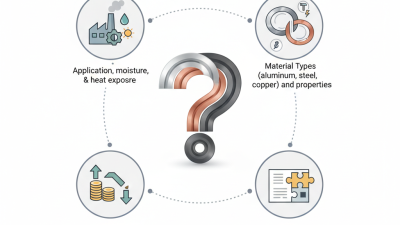
When sourcing quality metal coils, several critical factors demand careful attention. The type of metal significantly impacts performance and durability. Materials like stainless steel offer corrosion resistance, while aluminum is lightweight and offers flexibility. According to industry reports, the global aluminum coil market was valued at over USD 25 billion in 2021, indicating a strong demand within various sectors.
Another essential aspect is the supplier's reputation. Engaging with reputable suppliers ensures higher quality control and consistent delivery. Certifications such as ISO 9001 are indicative of a supplier's commitment to quality management systems. Research shows that companies collaborating with certified suppliers report a 30% reduction in defect rates. It's important to verify these credentials and assess past client experiences.
Price is often a deciding factor, but it must not overshadow quality. Lower prices can tempt businesses, but they may lead to compromising the metal's integrity. A balance is essential; prioritizing quality over cost can yield long-term savings. Regular reviews of supplier performance and product quality can help maintain this balance and guide future sourcing decisions. Emphasizing these considerations prepares businesses for effective and sustainable procurement of metal coils.
Quality Metal Coils Sourcing Factors
Different Types of Metal Coils and Their Applications
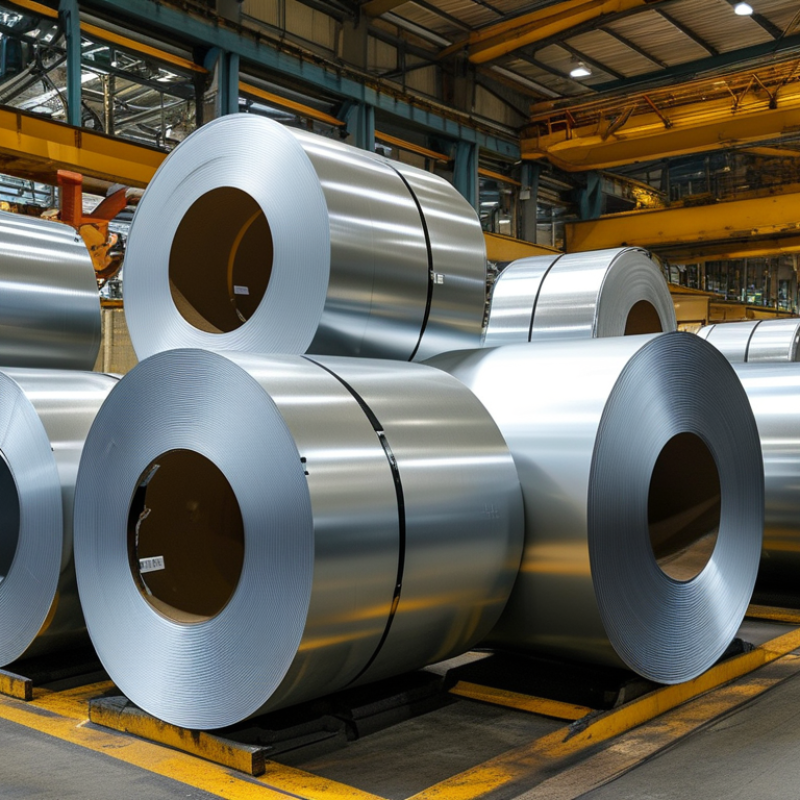
Metal coils come in various types, each suited for specific applications. Steel coils are robust and ideal for construction and automotive industries. They provide strength for structural components. Aluminum coils, being lightweight, are often used in aerospace and packaging. Their corrosion resistance makes them a go-to choice in challenging environments.
Copper coils are famous for electrical applications. They ensure high conductivity, making them vital in electronics. On the other hand, stainless steel coils are prized for their durability. They excel in food processing and medical equipment. Each type has unique properties that affect performance and lifespan, influencing your sourcing decisions. Consider quality and specifications carefully.
It's important to question whether the chosen coil type truly meets your needs. Does it align with your production processes? Reflect on potential oversights in material selection. Sometimes, round-the-clock availability can compromise quality. Prioritize reliable suppliers who offer traceable sourcing history. This ensures that you not only get the right material but also maintain accountability in your supply chain.
Identifying Reliable Suppliers for Quality Metal Coils
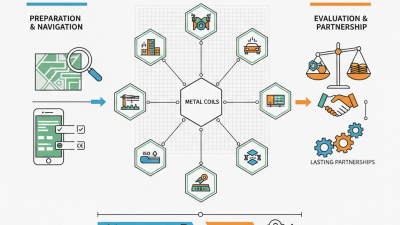
Identifying reliable suppliers for quality metal coils is crucial for any business that relies on these materials. Several industry reports suggest that sourcing from vetted suppliers can reduce production delays by up to 40%. This statistic emphasizes the importance of thorough supplier evaluation. Quality assurance processes should be the backbone of your selection criteria.
One effective approach is to request certifications and quality control data. Research suggests that suppliers with ISO 9001 certification have a 50% lower defect rate compared to non-certified counterparts. Always prioritize those that can demonstrate solid quality assurance practices. Engage with potential suppliers directly to discuss their sourcing practices and production capabilities.
Consider checking reviews and ratings from previous clients to assess the reliability of suppliers. Look for feedback on their delivery timelines and product consistency. This qualitative data is as vital as quantitative metrics. It helps create a fuller picture of what to expect from a supplier. Regularly revisiting and reassessing supplier relationships will highlight any new risks or opportunities. Quality should always remain your priority.
How to Source Quality Metal Coils for Your Business Needs? - Identifying Reliable Suppliers for Quality Metal Coils
| Supplier Location |
Type of Metal |
Thickness Range (mm) |
Min Order Quantity |
Lead Time (weeks) |
Quality Certifications |
| USA |
Stainless Steel |
0.5 - 3.0 |
500 kg |
4 |
ISO 9001 |
| Germany |
Aluminum |
0.3 - 2.5 |
200 kg |
6 |
EN 9100 |
| China |
Carbon Steel |
0.4 - 5.0 |
1000 kg |
8 |
ISO 14001 |
| India |
Copper |
0.2 - 2.0 |
300 kg |
5 |
OHSAS 18001 |
Evaluating Quality Standards and Certifications for Metal Coils
When sourcing metal coils, evaluating quality standards is crucial. Various certifications ensure that products meet industry expectations. The International Organization for Standardization (ISO) provides guidelines for quality management. Companies certified under ISO 9001 demonstrate a commitment to consistent quality.
Consider the American Society for Testing and Materials (ASTM) regulations. ASTM standards specify material properties, thickness, and tolerance levels. These specifications impact the performance of metal coils in applications. According to a 2022 report by the International Metal Association, over 70% of manufacturers prefer suppliers with recognized certifications.
However, not all certifications guarantee superior quality. Some products may meet basic standards yet lack durability. It's essential to analyze detailed reports and case studies before making a purchase decision. Suppliers may present shiny documentation, but real-world performance varies. Gathering feedback from industry peers is one way to gain insights into the reliability of metal coils.
Cost Comparison and Budgeting for Metal Coil Purchases
When considering metal coil purchases, budgeting effectively is crucial. The market for metal coils is highly variable. According to recent industry reports, prices fluctuate between $1,500 to $3,000 per ton. These prices depend largely on material types and current demand. Steel, for instance, has experienced a price increase of 15% over the past year. This sudden rise can impact budget forecasts significantly.
While researching suppliers, it’s essential to compare not only prices but also the quality and specifications of the coils. A lower price can lead to higher long-term costs due to potential failures in performance. Reports from industry analysis projected that up to 25% of businesses faced unexpected expenses due to subpar materials. Tracking historical price trends can also aid in making informed decisions.
Negotiation is another vital aspect of procurement. Many suppliers offer bulk discounts, which can save a considerable amount of money. However, this strategy requires clear communication about needs and specifications. Some buyers might find themselves paying more if they fail to specify their requirements clearly. Being knowledgeable about the latest industry trends and data plays a critical role in achieving cost efficiency.