Why Choose Galvalume Coil for Your Construction Projects?
In the world of construction, choosing the right materials can make all the difference. Galvalume Coil stands out as a reliable option for various building projects. This innovative material combines performance and durability, appealing to builders and architects alike. Its unique coating offers outstanding corrosion resistance, making it suitable for both residential and commercial applications.
Another key factor is its lightweight nature. This characteristic not only eases handling and installation but also contributes to energy efficiency. However, it's crucial to recognize that Galvalume Coil may not always be the best choice for every situation. Its performance can vary based on environmental factors, such as humidity and temperature.
When evaluating Galvalume Coil, it’s essential to weigh the pros and cons. While it offers remarkable longevity and aesthetic appeal, some users have reported challenges in specific conditions. Understanding these nuances helps ensure that your decision aligns with the distinct requirements of your project.
Benefits of Using Galvalume Coil in Construction Projects
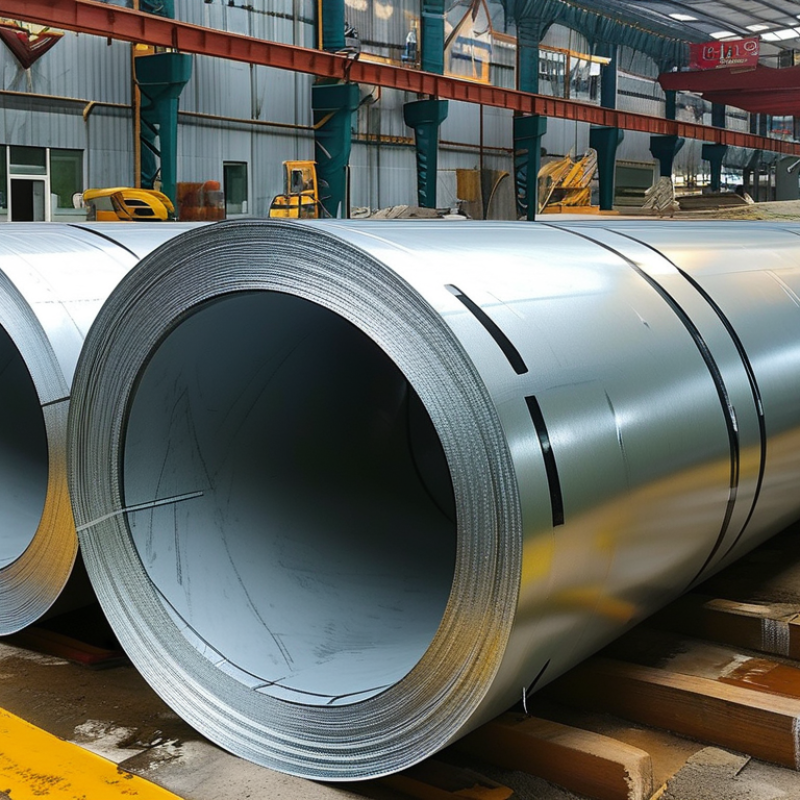
Galvalume coil is increasingly popular in construction due to its unique properties. It is composed of a zinc-aluminum alloy, which provides superior corrosion resistance. According to a report by the American Galvanizers Association, constructions using Galvalume show over 25 years of lifespan before significant rusting occurs, compared to just 5-10 years for traditional galvanized steel.
Energy efficiency is another compelling reason to choose Galvalume. Its reflective properties can reduce heat absorption, leading to lower energy costs. Research from the Cool Roof Rating Council indicates that buildings using reflective roofing can save up to 15% on cooling expenses during summer months. This can significantly improve the overall sustainability of a project, aligning with the growing focus on eco-friendly materials.
While Galvalume offers many advantages, some challenges exist. Installation may require specialized techniques for proper sealing to maximize its lifespan. Additionally, variations in coating thickness can lead to inconsistent performance. Understanding these nuances helps project managers avoid potential pitfalls. Choosing Galvalume coil is not just about durability; it’s a decision shaped by multifaceted considerations in modern construction.
Comparison of Galvalume Coil and Other Roofing Materials
When choosing roofing materials, Galvalume coil stands out for several reasons. Unlike traditional galvanized steel, Galvalume combines aluminum and zinc for superior corrosion resistance. This innovative blend provides a longer lifespan, which can reduce maintenance costs over time.
In comparison, materials like asphalt shingles may offer lower upfront costs but lack durability. They often need replacement after 15-20 years. Meanwhile, slate or tile roofs can be heavy and require special support. Galvalume, on the other hand, is lightweight yet strong. It’s a reliable option that can handle severe weather conditions.
However, Galvalume is not without its drawbacks. It may be more expensive initially than other materials. Its reflective surface may cause glare, which can be an issue in certain environments. Homeowners should weigh these factors carefully before making a choice. Understanding each material's characteristics will lead to better decision-making.
Why Choose Galvalume Coil for Your Construction Projects? - Comparison of Galvalume Coil and Other Roofing Materials
| Material |
Durability |
Cost ($ per square foot) |
Reflectivity (%) |
Maintenance |
| Galvalume Coil |
High (30+ years) |
$1.00 - $1.50 |
70 - 80% |
Low |
| Asphalt Shingles |
Moderate (15-30 years) |
$0.90 - $1.20 |
20 - 25% |
Moderate |
| Clay Tiles |
Very High (50+ years) |
$3.00 - $5.00 |
25 - 30% |
Low |
| Metal Roofing |
High (40+ years) |
$2.50 - $4.00 |
60 - 70% |
Low |
Applications of Galvalume Coil in Residential and Commercial Builds
Galvalume coil is increasingly popular in construction due to its versatility. In residential projects, it is often used for roofing and siding. Its excellent weather resistance ensures long-lasting performance. Homeowners appreciate its low maintenance needs. The bright finish enhances aesthetic appeal. Many contractors choose Galvalume for its durability and cost-effectiveness.
In commercial buildings, Galvalume’s benefits are even more pronounced. It can withstand harsh environmental conditions. These characteristics make it ideal for factories and warehouses. Additionally, Galvalume’s reflective properties contribute to energy efficiency. This helps reduce cooling costs over time. Yet, some builders may overlook its application. Proper installation is crucial to maximize longevity. Not all contractors are familiar with this material, which can lead to challenges. Understanding the right techniques is essential for optimal results.
Applications of Galvalume Coil in Construction Projects
Durability and Longevity of Galvalume Coil in Harsh Environments
Galvalume coil has gained attention for its exceptional durability in harsh environments. The coating, made of zinc, aluminum, and silicon, provides a robust barrier against corrosion. In extensive research, studies indicate that materials exposed to extreme weather conditions remained unblemished for over 30 years, showcasing Galvalume's long-lasting protection.
In construction, the longevity of Galvalume coil translates to lower maintenance costs. For example, facilities within coastal areas faced significantly less rust and decay when utilizing Galvalume compared to traditional steel. This is crucial, as the initial investment in Galvalume can lead to a 30% reduction in lifecycle costs over time. However, it's essential to consider the installation process carefully. Proper handling during installation is vital to avoid any premature wear.
Moreover, while Galvalume offers impressive durability, environmental factors can still pose challenges. In areas with high humidity and pollution, corrosion rates can increase. Regular inspections are necessary to ensure long-term performance. Awareness of these variables can influence the overall effectiveness of using Galvalume coil in construction projects. Proper research and planning can maximize its benefits while addressing these concerns.
Cost Efficiency and Sustainability of Galvalume Coil Solutions
Galvalume coil is an excellent choice for construction projects. Its cost efficiency and sustainability are notable advantages. This material combines the protective qualities of aluminum and zinc, resulting in a durable product. It resists corrosion and weather effects, essential for long-lasting structures.
Many builders overlook the value of using Galvalume. Initially, it may appear more expensive than traditional materials. However, the longevity and minimal maintenance needs make it a cost-effective solution over time. Understanding the lifecycle cost is crucial. Look beyond the upfront price to appreciate long-term savings.
Tip: Consider Galvalume for roofing and siding projects. Its insulating properties can also improve energy efficiency.
Sustainability is another vital aspect. Galvalume is 100% recyclable, reducing waste output. Many projects aim for LEED certification, and using this material can contribute positively. Its energy-efficient manufacturing process further adds to its eco-friendly profile.
Tip: Always check for local recycling programs when disposing of construction materials. Responsible disposal supports a greener future.