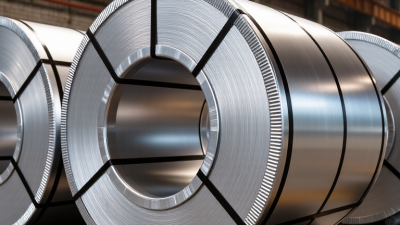
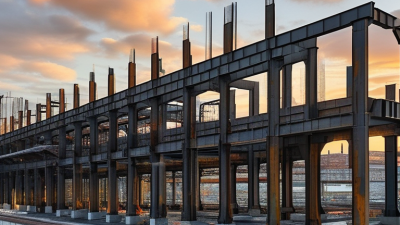
Why Choose Stainless Steel Plate for Your Project?
A Stainless Steel Plate can look like a simple sheet of metal, yet its performance depends on grade, thickness, finish, and fabrication. The right choice may resist corrosion, support heavy loads, and tolerate repeated cleaning. The wrong one can add cost or require early replacement. Small details matter.
Materials scientist Michael F. Ashby is widely known for his work on material selection and engineering design. A useful principle consistent with that work is: “Choose materials for the conditions they must handle, not for their name alone.” This is an editorial paraphrase, not a verbatim quotation. For a real project, that means checking the operating environment, expected stress, temperature range, and contact with chemicals before ordering. A plate used near salt spray may need different corrosion resistance from one used in a dry indoor frame.
Practical checks help. Confirm the required grade and thickness against the project specification. Inspect the plate’s surface for scratches, warping, or damage that could affect cutting or installation. Ask the supplier for traceable product documentation, and review it with a qualified engineer when performance is critical. Details count.
This guide explores why Stainless Steel Plate may suit your project, where its strengths matter, and what to verify before purchase. It also considers trade-offs, including initial cost, weight, and fabrication needs. Stainless steel is not automatically the best choice for every job. The best decision comes from matching verified material properties to real service conditions.
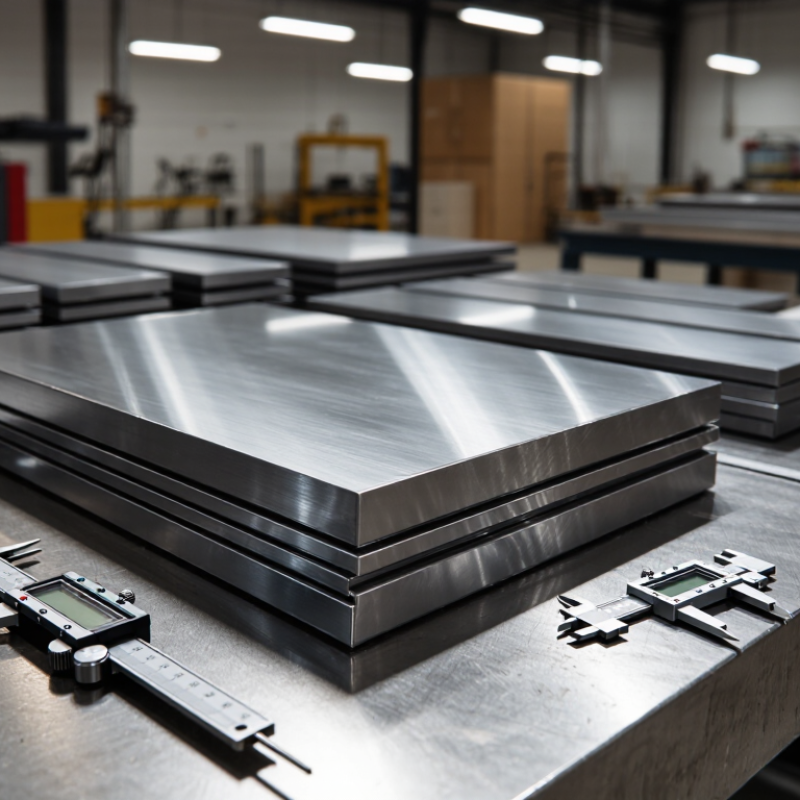
What Stainless Steel Plate Is and How It Is Made
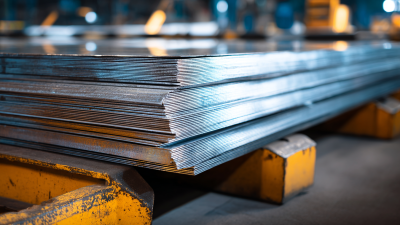
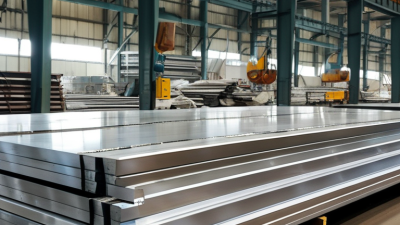
Stainless steel plate is a flat-rolled product made in heavier gauges than sheet, though the exact boundary depends on the product standard. Many stainless grades contain at least 10.5% chromium. Chromium helps form a thin, protective oxide film on the surface. That film can reform after minor damage when oxygen is present. A useful detail: plate is not one single recipe. Its alloy composition, thickness, and finish vary with the job.
Production starts by melting iron-bearing materials with chromium and other alloying elements. Refining controls carbon and adjusts the chemistry; the molten steel is then cast into a slab. The slab is reheated and hot-rolled through heavy rollers, sometimes in several passes. It is then annealed to restore formability and pickled to remove surface scale. Some products receive additional rolling or finishing. Small choices matter.
World Stainless reported 58.4 million tonnes of global stainless crude steel production in 2023, up 4.6% from 2022.
That figure describes all stainless steel, not plate alone, so it should not be read as plate output. For a project, check the grade, dimensions, surface condition, and applicable specification rather than relying on the word “stainless” by itself.
How Alloy Composition Shapes Its Properties
Stainless steel plate is not one material with one behavior. Its alloy recipe matters. ASTM A240/A240M specifies Type 304 with 18–20% chromium and 8–10.5% nickel by weight. Chromium helps form a thin passive surface layer, while nickel supports its austenitic structure and formability. At a fabrication shop, that can mean a plate bends readily without losing its corrosion resistance in ordinary indoor service. Small changes matter.
Type 316 adds 2–3% molybdenum, with specified chromium and nickel ranges of 16–18% and 10–14%. That addition improves resistance to pitting in chloride-bearing environments, such as coastal air or some process areas; it does not make the plate immune to corrosion.
The International Stainless Steel Forum’s Stainless Steel in Figures 2024 reports 58.4 million tonnes of global stainless crude-steel production in 2023, reflecting the material’s broad industrial use—not proof that every grade suits every job.
Check the project’s actual exposure, temperature, forming, and cleaning conditions against the grade specification. One overlooked detail: deposits left in a crevice can still trigger localized attack. Composition guides selection, but service conditions decide whether it holds up.
Key Benefits for Structural and Industrial Projects
Why Choose Stainless Steel Plate for Your Project?
Key Benefits for Structural and Industrial Projects
Structural and industrial projects often face moisture, chemicals, abrasion, or frequent cleaning. Stainless steel plate can resist corrosion, helping structures and equipment remain serviceable in demanding environments. Its smooth surface is also easier to clean than many rough or coated materials. That matters around washdown areas, processing lines, and outdoor platforms. Conditions vary, though. The right grade depends on the actual exposure.
Strength is another practical advantage. Plate can support frames, machine bases, tanks, and access platforms when thickness and design suit the loads. It can also be cut, formed, and welded using established fabrication methods. For a project team, that flexibility can simplify detailing and repairs. A heavy plate still needs proper lifting and handling. It is not effortless.
Choosing well takes more than comparing price per sheet. Consider load requirements, temperature, corrosive agents, finish, and joining methods. For example, chloride exposure may call for a more corrosion-resistant grade than a dry indoor setting. Welding can also affect the finished surface and local corrosion behavior, so fabrication procedures matter. Stainless steel is not maintenance-free; deposits and harsh conditions can still cause problems. Reviewing the service environment with a qualified engineer or materials specialist can prevent costly assumptions.
Common Applications Across Different Industries
Why Choose Stainless Steel Plate for Your Project?
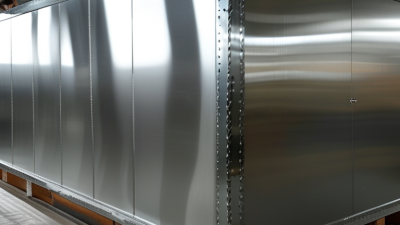
Stainless steel plate appears in food-processing lines, chemical tanks, building facades, and marine equipment. Its smooth, cleanable surface suits hygienic work areas, while corrosion resistance can reduce maintenance in demanding environments. Details matter. Grade selection matters too: 304 is common indoors, while 316 is often considered where salt or chlorides are present. Neither grade is immune to poor design or harsh conditions.
The International Stainless Steel Forum’s Stainless Steel in Figures 2024 reports global stainless steel production of 58.4 million tonnes in 2023. That scale reflects broad industrial use, though it does not show how much was made specifically as plate. In construction, plate can form durable cladding and structural components. In food plants, it may be used for work surfaces and tanks. Chemical and marine projects rely on carefully selected grades and suitable fabrication. A useful reminder: corrosion resistance depends on the environment, weld quality, and cleaning practices—not the material name alone.
Tips: Match the grade to the actual exposure, including cleaning chemicals and salt spray. Check thickness, finish, and weld requirements with a qualified materials specialist before ordering. A polished surface looks reassuring, but it cannot compensate for the wrong grade.
How to Select the Right Grade, Thickness, and Finish
When choosing stainless steel plate, start with the environment, not the price tag. Grade 304 suits many indoor and mild outdoor applications, while 316 offers better resistance to chlorides and salt exposure. Neither grade is immune to corrosion. Welds, trapped moisture, and cleaning chemicals can still cause problems. Check temperature, contact materials, and fabrication methods before ordering. A grade that performs well on paper may disappoint near a coastal walkway.
Tips: Confirm the mill certificate and verify the grade with a suitable test when specifications are critical. Select thickness based on load, span, and support conditions, not appearance alone. A plate that feels sturdy may still flex under repeated use. Ask the fabricator about tolerances and available stock sizes before finalizing drawings.
Finish affects both cleaning and appearance. A smooth finish can reduce places where grime collects, while a brushed surface may hide handling marks on visible panels. Specify the finish by a recognized roughness value or physical sample, since “polished” can mean different things. There is no perfect choice. Review a real sample under the project’s lighting, then consider whether the added finish cost addresses a genuine maintenance need.