Essential Tips for Sourcing High Quality Stainless Steel Plate?
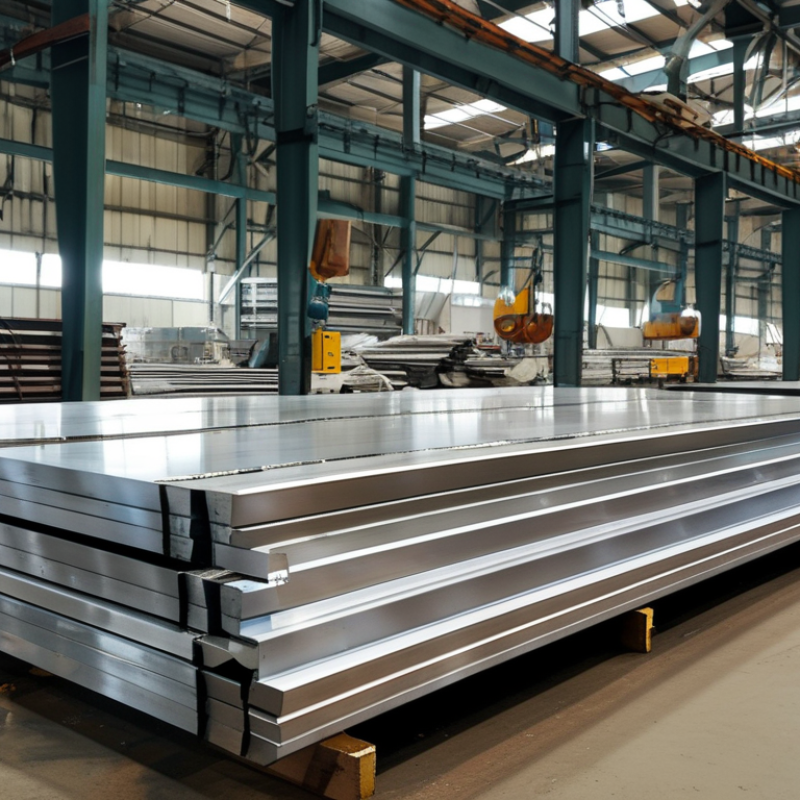
When sourcing high-quality stainless steel plates, understanding the market is crucial. Stainless Steel Plate is a popular choice in various industries. Its durability and corrosion resistance make it ideal for many applications. However, not all suppliers offer the same level of quality.
Finding the right supplier requires research and critical assessment. Look for companies with proven expertise in stainless steel products. Pay attention to their manufacturing processes and certifications. Quality assurance is key in ensuring you get the best materials for your projects.
This process can be challenging. You might find discrepancies in product descriptions and actual quality. It’s essential to ask for samples before making large orders. Reflecting on your sourcing strategy can lead to better decisions. Stay informed and always verify claims to avoid pitfalls in your procurement journey.
Factors to Consider When Selecting Stainless Steel Plate Suppliers
Sourcing high-quality stainless steel plates requires careful consideration of various factors. One essential aspect is the supplier’s experience in the industry. Suppliers with a long history often have established relationships with mills and better quality control processes. Research their track record and ask for references to gauge reliability.
Next, consider the range of products offered. A supplier that provides a variety of grades and thicknesses can meet specific project needs more effectively. Pay attention to certifications and compliance with industry standards. This can ensure that the materials meet safety and quality benchmarks.
Price is another significant factor, but it should not be the only consideration. Sometimes, lower prices may reflect inferior quality or inadequate service. Be wary of deals that seem too good to be true. Evaluating the total cost, including shipping and handling, can make a big difference in overall project expenses. Make sure to weigh the potential drawbacks against the benefits.
Understanding Different Grades of Stainless Steel for Plate Sourcing
Choosing the right grade of stainless steel for plates is crucial for various applications. Stainless steel comes in several grades that differ in composition, strength, and corrosion resistance. Common grades include 304 and 316, known for their versatility and durability. 304 stainless steel is often used for kitchen appliances and food processing, while 316 offers better resistance to chlorides, making it suitable for marine environments.
When sourcing stainless steel plates, it’s essential to understand these differences. Each grade serves a specific purpose. For instance, you might need higher nickel content in marine applications. On the other hand, industrial uses might prioritize strength over corrosion resistance. It’s not always easy to determine the best grade without expertise. This can lead to oversights in material selection and eventual performance issues.
Certifications also play a vital role in sourcing. Look for certified materials to ensure quality. Certifications can provide insights into the grade's mechanical properties and resistance to certain environments. Adequate research in these areas could prevent costly mistakes. Engaging with professionals and suppliers can help clarify any uncertainties. Being well-informed can lead to more reliable decisions in sourcing high-quality stainless steel plates.
Essential Tips for Sourcing High Quality Stainless Steel Plate
This chart illustrates the distribution of different grades of stainless steel suitable for plate sourcing. Understanding the properties of each grade can help in making informed purchasing decisions.
Evaluating the Quality Standards of Stainless Steel Plates
When evaluating the quality standards of stainless steel plates, it’s crucial to consider several key factors. Start with the ASTM standards, which provide guidance on material qualities. Ensure the steel meets specifications for corrosion resistance and strength. Many prefabricated plates come with certificates, but verifying them is vital.
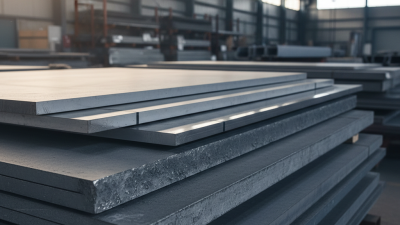
Look closely at the surface finish, as imperfections can impact performance. A clean, smooth surface typically indicates better quality. During inspections, check for any visible defects like pitting or scratches. These may lead to long-term issues. Testing methods like XRF can help confirm alloy composition.
Documentation plays a significant role in quality assurance. Reliable suppliers will provide relevant test results and certifications. If these documents are missing or incomplete, it raises red flags. Communication is essential; ask questions about manufacturing processes. Understanding the source can lead to better purchasing decisions. It’s wise to reflect on your own sourcing experiences. Finding the right supplier can be challenging and requires ongoing diligence.
Essential Tips for Sourcing High Quality Stainless Steel Plate
| Dimension (mm) |
Thickness (mm) |
Material Grade |
Surface Finish |
Standard Compliance |
| 1000 x 2000 |
5 |
304 |
2B |
ASTM A240 |
| 1500 x 3000 |
10 |
316 |
No.1 |
EN 10088 |
| 1200 x 2400 |
8 |
201 |
Mirror |
JIS G4304 |
| 2000 x 4000 |
12 |
430 |
Sandblasted |
ISO 9453 |
| 2500 x 5000 |
15 |
2205 |
Pickled |
ASME SA240 |
Tips for Inspecting and Testing Stainless Steel Plate Quality
When inspecting stainless steel plates, the quality assessment begins with visual evaluation. Look for surface blemishes, pits, and scratches. These imperfections may indicate poor manufacturing standards. According to a 2021 report by the International Stainless Steel Forum, nearly 15% of stainless steel products fail initial quality checks due to aesthetic defects. It's crucial to prioritize visual inspection as a primary step.
Next, consider mechanical testing to ensure that the stainless steel meets specified properties. Tensile tests measure strength and ductility. A study from ASTM International highlights that high-quality plates often exhibit minimum yield strength greater than 250 MPa. This level is essential for structural applications. Additionally, hardness tests can reveal inconsistencies in alloy composition.
Chemical analysis plays a vital role in quality control. Use spectrometry to check for the right alloy mix. Incorrect percentages can lead to corrosion and structural failure. A report from the American Society for Testing and Materials emphasizes that deviations in nickel and chromium content can compromise the steel's resistance to rust. Regular testing is essential to confirm compliance with industry standards. Always document results for future references.
Cost Considerations and Budgeting for High-Quality Stainless Steel Plates
When sourcing high-quality stainless steel plates, cost considerations are crucial. Analyzing your budget helps determine the best options available. High-quality plates often come with a higher price tag, but they prove more durable and efficient over time. Consider the long-term benefits against initial costs. A good strategy is to establish clear project needs first. It allows you to allocate financial resources wisely.
Another aspect to evaluate is the price variability. Stainless steel prices fluctuate due to market dynamics. Be cautious of decisions based solely on lower costs. Sometimes, cheaper materials lead to higher overall expenses due to repairs or replacements. Quality inspection is vital. Look at certifications and reviews from trusted sources to confirm reliability. Always remember: a smart investment means prioritizing quality, not just price.