What is Structural Steel and Why is it Essential for Construction?
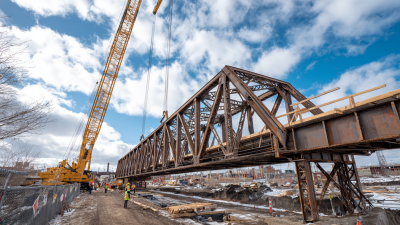
Structural Steel plays a crucial role in the construction industry. Its strength and versatility make it the preferred choice for building various structures. According to the American Institute of Steel Construction, over 90% of new commercial buildings use Structural Steel. This material supports skyscrapers, bridges, and industrial facilities, emphasizing its significance.
Renowned industry expert Dr. Emily Carter points out, "Structural Steel is the backbone of modern construction." This statement reflects the importance of this material. Structural Steel not only provides stability but also allows for innovative designs. Its lightweight nature reduces transportation costs, making it more economical.
However, the industry faces challenges. The rising cost of raw materials poses a threat to project budgets. Additionally, the environmental impact of steel production demands attention. Architects and engineers must balance aesthetics, functionality, and sustainability when using Structural Steel. High-quality steel can be recycled, but the production process still leaves a significant carbon footprint. Addressing these issues is essential for the future of construction.
Definition and Composition of Structural Steel
Structural steel is a key material in modern construction. It is composed primarily of iron and carbon. The typical carbon content ranges from 0.1% to 0.5%. This specific composition enhances strength while maintaining ductility. Other elements, such as manganese and silicon, are often added. These elements improve performance in various environments.
The properties of structural steel contribute to its widespread use. It offers high tensile strength, allowing it to support significant loads. Additionally, it has excellent weldability and versatility. However, one must consider the potential for corrosion over time. Proper protective coatings are essential to maintain its integrity. Engineers often debate the best practices for corrosion prevention.
Understanding the composition of structural steel is crucial for effective design. Choice of material impacts structural efficiency and safety. However, it can also lead to mistakes if not handled correctly. The balance between performance and cost is often challenging. Thus, ongoing education and training in this area are vital for professionals in the field.
Types of Structural Steel Used in Construction
Structural steel plays a crucial role in modern construction, offering strength and durability. Various types of structural steel are utilized, each serving specific purposes. Beam sections, such as I-beams and H-beams, are fundamental for providing support in buildings. Their shapes distribute weight evenly, allowing for taller and more open spaces.
Another common type is tubular steel, often used for columns and frames. Its cylindrical shape provides excellent resistance to compression. Additionally, angles and channels are frequently used for bracing. They ensure stability, especially in structures subject to wind or seismic forces.
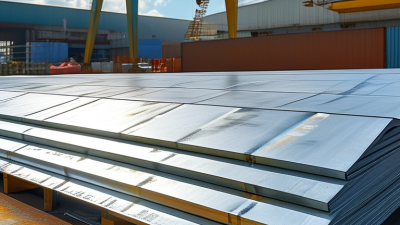
Less recognized types, like steel plates, also have their place. They can reinforce joints and connections. However, understanding the right type for a specific project can be challenging. Misjudgments in selection can lead to structural failures. It's essential to consult with engineers who have specialized knowledge in material properties. Using the right structural steel enhances not only safety but also long-term durability in construction.
Key Properties and Advantages of Structural Steel
Structural steel stands out in the construction industry due to its essential properties. It typically has high strength-to-weight ratios, allowing for more significant structures without excessive mass. The American Institute of Steel Construction states that this material can bear heavy loads while being lightweight. This is crucial for skyscrapers and bridges, where limited weight is as vital as strength.
Durability is a key advantage of structural steel. It is resistant to many environmental conditions, reducing maintenance costs over time. According to the World Steel Association, steel structures can last over 100 years with minimal degradation. This longevity makes it a practical choice for many projects. Recycling is another strong point; about 85% of structural steel is recyclable. This promotes sustainability in construction, a value increasingly emphasized in modern building practices.
Despite its many advantages, there are challenges. Cost fluctuations in steel can impact project budgets significantly. Additionally, the thermal conductivity of steel can be problematic in fire situations. Proper fireproofing is necessary to mitigate this risk. These considerations highlight the importance of planning and expertise in structural design. Balancing these factors ensures the benefits of structural steel are fully realized in any construction project.
Applications of Structural Steel in Various Construction Projects
Structural steel is a versatile material widely used in construction. It is favored for its strength and durability. From skyscrapers to bridges, structural steel plays a critical role. Its applications are diverse and essential.
In commercial buildings, structural steel provides the framework that supports heavy loads. It enables architects to create open spaces without many interior walls. This design flexibility enhances the usability of large areas. In infrastructure projects, such as bridges and highways, steel's tensile strength ensures safety and longevity. It can withstand harsh weather and heavy traffic, making it ideal for these applications.
Tips for selecting structural steel include considering the environmental impact. Recycling steel is beneficial; it reduces waste and conserves resources. Additionally, always consult with professionals when determining specifications for your project. They can guide you on steel grades and construction techniques that best meet your needs for performance and safety.
In residential buildings, steel can be used in beams, columns, and even roofing. It supports modern design trends, allowing for larger windows and innovative layouts. However, using steel requires careful planning. Corrosion protection and insulation must be addressed to ensure the longevity and efficiency of the structure.
Applications of Structural Steel in Various Construction Projects
The Role of Structural Steel in Modern Engineering and Architecture
Structural steel plays a pivotal role in modern engineering and architecture. Its exceptional strength-to-weight ratio makes it a preferred choice for builders across various sectors. According to the American Institute of Steel Construction, steel frames can reduce the overall construction time by up to 25%. This efficiency in construction is crucial for meeting tight deadlines in urban development.
In large-scale structures, such as skyscrapers or bridges, structural steel provides the necessary support against heavy loads and environmental factors. A report from the World Steel Association highlights that steel structures have a lifespan of more than 30 years, significantly affecting sustainability considerations. However, the reliance on steel faces challenges. The production of steel releases considerable carbon dioxide, raising questions about environmental impact and sustainability. Furthermore, as demand grows, the industry must address sourcing raw materials responsibly and efficiently.
The architectural flexibility offered by structural steel is both an advantage and a limitation. While it allows for innovative designs, it may also lead to over-designing, where excess material is used, increasing costs. Striking a balance between aesthetic appeal and functional durability remains a critical challenge for architects and engineers alike. As we advance, continual reflection on these practices will be essential for a more sustainable future in construction.
What is Structural Steel and Why is it Essential for Construction?
| Property |
Value |
Importance in Construction |
| Material |
Steel |
High strength-to-weight ratio, essential for supporting heavy loads |
| Yield Strength |
250 MPa to 600 MPa |
Ensures stability and structural integrity in buildings |
| Durability |
Long lifespan |
Lowers maintenance costs and improves safety over time |
| Cost |
Moderate |
Balancing affordability with quality and safety |
| Recyclability |
100% |
Supports sustainability in construction practices |