7 Tips for Choosing the Right Galvalume Coil
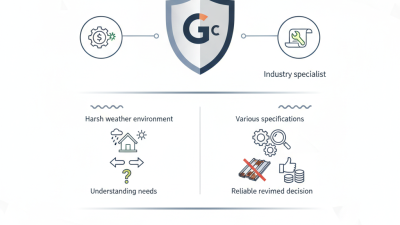
Choosing the right Galvalume Coil is more than comparing prices, coating weights, or surface brightness. The correct choice must fit the building’s climate, forming process, roof design, and expected service life. A coil installed near salt air faces different risks from one used in a dry inland warehouse. Moisture, cut edges, fasteners, and trapped debris can quietly change performance.
Corrosion expert Dr. R. Winston Revie offers a useful principle: “Material selection must match the environment.” That idea should guide every Galvalume Coil decision. A stronger coating may help, but it cannot correct poor drainage or careless handling. I have seen specifications focus heavily on thickness while ignoring roll-forming damage. That is an easy mistake.
This guide explains seven practical tips for choosing a dependable Galvalume Coil. It examines coating composition, steel grade, thickness, surface condition, corrosion exposure, supplier documentation, and fabrication requirements. Small details matter. A clean surface, consistent coating, and accurate mill certificate can prevent expensive failures later.
Still, no selection method is perfect. Local weather can be unpredictable. Project assumptions may also be incomplete. Therefore, buyers should question standard specifications and request evidence from the supplier. Check test reports, warranty limits, and application guidance before placing an order. The brightest coil is not always the best coil. Performance deserves closer attention.
Define Galvalume Coil and Its Core Performance Characteristics
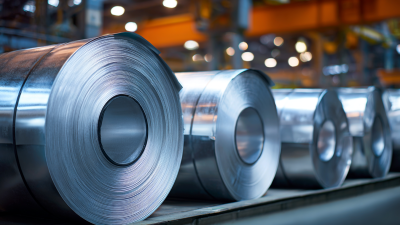
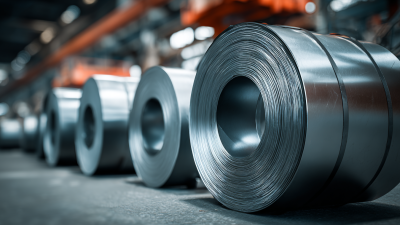
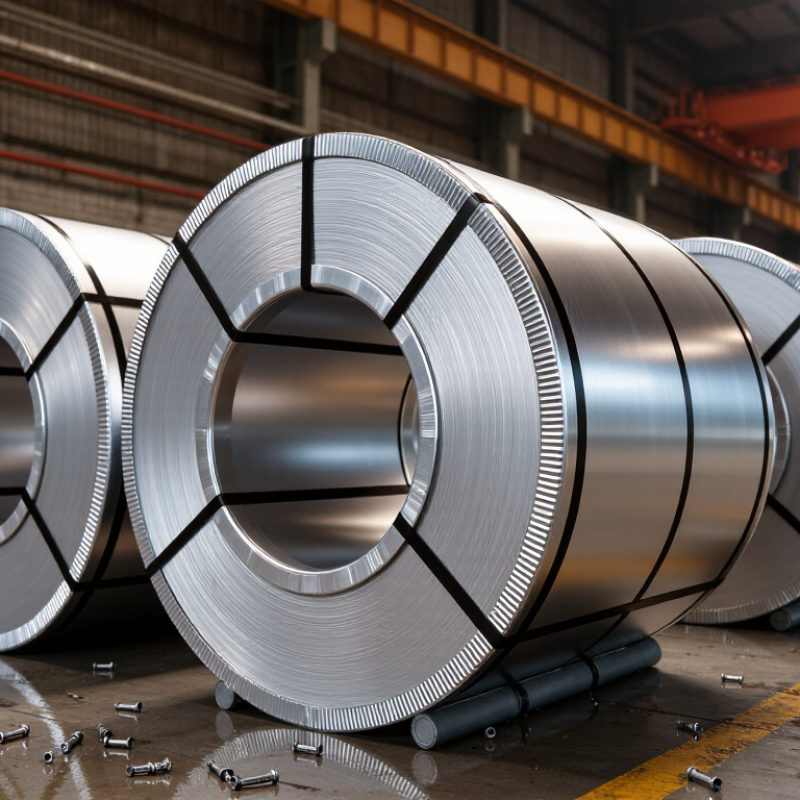
Galvalume coil is carbon steel coated with an aluminum-zinc alloy containing a small amount of silicon. A common formulation uses about 55% aluminum, 43% zinc, and 1.6% silicon by weight. The coating bonds to the steel surface during continuous hot-dip processing.
Its main advantage is corrosion resistance. Aluminum forms a stable barrier, while zinc provides sacrificial protection around minor scratches. The surface also reflects solar heat better than ordinary galvanized steel. That can help reduce roof temperatures in suitable building designs. However, performance depends on coating mass, steel thickness, forming quality, and the local climate.
Look closely at the intended application. Coastal air, industrial fumes, and standing water can shorten service life. Cut edges need proper design and protection. Galvalume may also react poorly with wet concrete or certain treated materials. It is not invincible.
During coil selection, check the coating designation, mechanical grade, dimensions, surface condition, and inspection records. A clean, even surface matters. Small stains may indicate storage problems. Deep scratches deserve attention. I have found that relying only on a specification sheet can be risky; handling and storage often reveal weaknesses that paperwork misses. My checklist is not perfect either. Rechecking samples, tolerances, and end-use conditions remains worthwhile before purchase.
Match Coating Composition and Thickness to the Intended Application
7 Tips for Choosing the Right Galvalume Coil
Match the coating to the environment. A typical aluminum-zinc-silicon coating offers strong atmospheric protection and heat resistance. Coastal air, industrial fumes, and frequent condensation may require a more carefully selected composition. Do not choose by appearance alone. Ask for the coating chemistry and test report.
Confirm coating mass on both sides, usually stated in g/m². A thicker coating can improve service life, but it may affect forming performance and cost. Match the steel thickness to the load, span, and forming process. Thin coils may suit light panels, while thicker material supports demanding structural work. Check the bend radius before ordering. Small details matter.
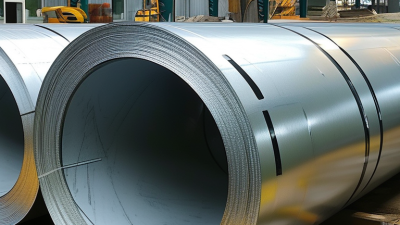
Inspect the surface for bare spots, deep scratches, edge damage, and uneven spangle. Measure the substrate with a calibrated gauge, not by visual judgment. Verify mechanical properties, width tolerance, and coil weight against the drawing. Keep samples from incoming batches for comparison. This is practical experience, not paperwork alone.
A coating that performs well on roofing may not suit deep drawing or repeated bending. Think about cutting, punching, storage, and installation conditions. Galvalume can react poorly with trapped moisture and certain dissimilar materials. That risk is easy to underestimate. When the application is unclear, test a small batch first and document what changed.
Compare Dimensions, Tolerances, Suppliers, and Quality Certifications
Choosing the right galvalume coil starts with measurable details, not attractive pricing. Confirm thickness, width, inner diameter, outer diameter, coil weight, and coating designation. A 0.50 mm coil can become costly when actual thickness varies near the lower tolerance. Ask whether dimensions follow ASTM A792 and ASTM A924, or EN 10346 and EN 10143. These standards define product requirements and dimensional tolerances.
Check the coating carefully. Typical galvalume coating contains about 55% aluminum, 43.4% zinc, and 1.6% silicon by mass. Request coating-mass results from the mill, not only a sales specification. ASTM and ISO test methods can verify coating weight, adhesion, tensile strength, yield strength, and elongation. World Steel Association data reports about 1.89 billion tonnes of crude steel production in 2023. That scale makes traceability essential. The coil still needs a heat number.
Supplier evaluation should include production experience, inspection equipment, and complaint response time. Request a recent mill test certificate, calibration records, and sample inspection photographs. ISO 9001 certification supports process control, but it does not replace product testing. ISO 14001 may show environmental management, yet it does not prove corrosion performance. I have seen certificates checked more carefully than the coil itself. That is a mistake. Inspect edge damage, telescoping, waviness, oil marks, and surface scratches under clear light. Also compare independent test results when the application is exposed to moisture or forming stress. Perfect paperwork can still hide a poor shipment.
Check Environmental Resistance, Service Life, Cost, and Warranty Terms
7 Tips for Choosing the Right Galvalume Coil
Tip 1: Match the coating to the environment. Galvalume coil performs well in dry, humid, and moderately industrial areas. Salt air demands closer evaluation. Coastal spray can attack exposed edges and scratched surfaces. Ask for test data that reflects your climate, not only laboratory results. Tip 2: Inspect the substrate and coating weight. A smooth surface, consistent coating, and clean slit edges indicate better production control. Small flaws matter later.
Tip 3: Estimate service life realistically. Thickness, forming quality, drainage, sunlight, humidity, and installation all influence performance. A thicker coil may cost more today but reduce replacement work. Still, no coating lasts forever. That is easy to forget. Tip 4: Compare total cost, not only the coil price. Include transport, cutting loss, fasteners, labor, maintenance, and possible downtime. A cheap quotation can become expensive after installation. I have seen buyers overlook storage conditions, then blame the material for early stains.
Tip 5: Read the warranty terms line by line. Check the covered period, corrosion limits, appearance requirements, and claim process. Confirm whether cutting, bending, storage, or coastal exposure changes coverage. Tip 6: Request traceable inspection records. Reliable suppliers should provide coating thickness, steel grade, dimensions, and batch information. Tip 7: Test a sample before large orders. Form it, inspect the bends, and expose a small piece to local moisture. This takes time, but assumptions can be costly. A warranty cannot repair poor design.
7 Tips for Choosing the Right Galvalume Coil
Check environmental resistance, service life, cost, and warranty terms.
A typical Galvalume coating alloy is composed of about 55% aluminum, 43.4% zinc, and 1.6% silicon by weight; the steel substrate is not included. Actual specifications can vary, so confirm the coating details, suitability for your exposure conditions, expected service life, total cost, and warranty exclusions with the supplier.