Leave Your Message

China Top Copper Pipes Manufacturers for Global Buyers

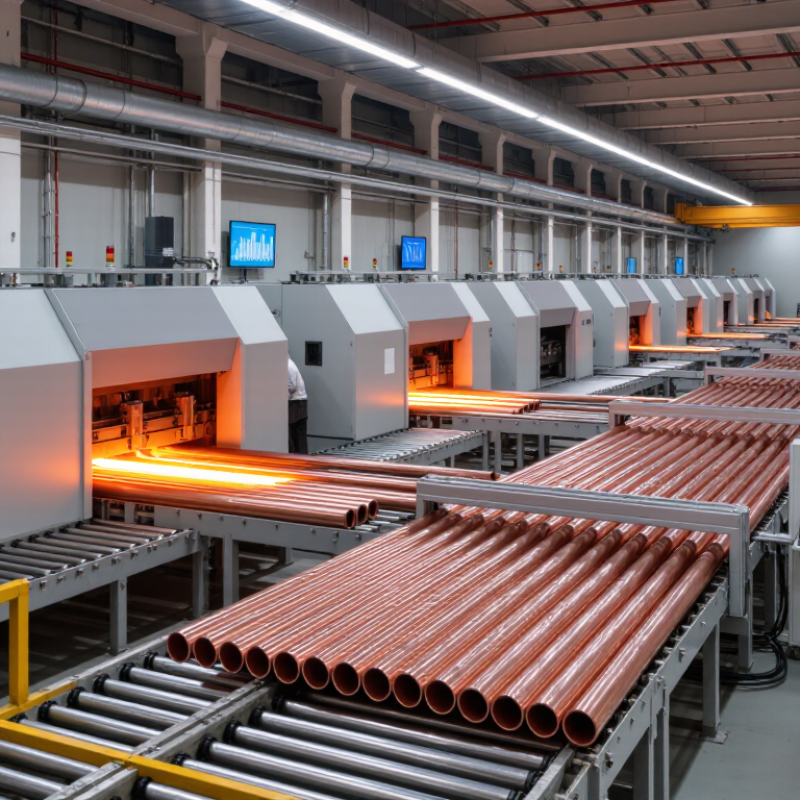
China has become a major sourcing destination for Copper Pipes, serving construction, refrigeration, plumbing, and industrial equipment markets worldwide. Its manufacturers offer broad production capacity, modern extrusion lines, and flexible order volumes. Yet factory scale alone does not prove reliability. Buyers must examine alloy grades, dimensional tolerances, pressure performance, surface quality, and inspection records.

Andy Kireta, a recognized copper industry expert and former senior vice president of the Copper Development Association, has said, “Copper is one of the most versatile and sustainable materials available.” This principle matters when comparing Chinese suppliers. High-quality Copper Pipes should conduct heat efficiently, resist corrosion, and maintain stable performance during installation. A polished surface is helpful, but it cannot replace laboratory testing. Certificates can look convincing. Verification still matters.

The strongest manufacturers usually provide clear material standards, traceable batch numbers, and practical technical support. Some also maintain automated drawing, annealing, and ultrasonic testing systems. These details become visible in real projects: clean pipe ends, consistent wall thickness, secure packaging, and fewer installation delays. However, no supplier is perfect. Even experienced buyers may overlook communication gaps, changing lead times, or unclear responsibility for defects. That is where careful factory audits and sample testing earn their value.

This guide examines China’s top Copper Pipes manufacturers through product capability, quality control, export experience, customization, and buyer support. The goal is not to praise every large factory. It is to help global buyers make a more balanced, evidence-based decision.
China Top Copper Pipes Manufacturers for Global Buyers

China’s Role in the Global Copper Pipes Industry

China has become a major force in the global copper pipes industry. Its strength comes from integrated production, skilled fabrication, and broad export experience. Copper cathodes can move quickly from smelters to tube mills. This shortens production cycles and supports competitive pricing.

In practical sourcing work, buyers often compare more than price. They check copper purity, wall thickness, dimensional accuracy, and pressure performance. Chinese manufacturers commonly supply pipes for plumbing, refrigeration, air conditioning, and industrial systems. Many factories also provide annealing, surface treatment, cutting, and custom packaging. International orders require careful documentation. Standards may differ between markets, and one certificate cannot answer every technical question. Scale helps, but scale is not everything. I have seen attractive samples fail because packing was weak or tolerances were poorly controlled. That remains a useful warning.

Tips: Request recent inspection reports, production samples, and material certificates. Confirm the applicable standard before discussing price. Ask how the factory controls leaks, ovality, and surface damage. Keep communication specific. Vague specifications create expensive misunderstandings. A pre-shipment inspection can reveal problems before the cargo leaves China. Also review packaging details, especially for long pipes. Small dents can become major installation issues.
Key Types of Copper Pipes Made by Chinese Manufacturers

China Top Copper Pipes Manufacturers for Global Buyers

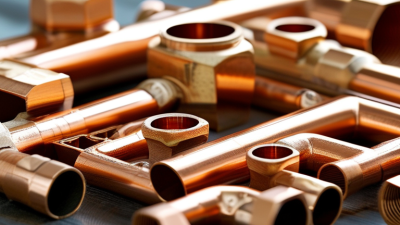
Chinese manufacturers produce several copper pipe types for different pressure, temperature, and installation needs. Seamless copper tubes are widely used in water systems, refrigeration, air conditioning, and heat exchangers. Straight lengths suit fixed plumbing runs, while soft coils reduce joints around corners. That difference matters on crowded construction sites.

For building services, Type K, Type L, and Type M tubes are common in markets using North American specifications. Their wall thicknesses differ, so buyers should match the tube to pressure and local codes. Many factories also make ASTM B280 refrigeration tubes, which receive stricter cleaning and sealing controls. European projects often require EN 1057 tubes in R220, R250, or R290 tempers. Hard tubes hold shape well. Soft tubes bend more easily.

Capillary tubes support precise flow control in cooling equipment. Pancake coils help reduce material waste during installation. Copper-nickel tubes may serve marine or corrosive environments, although they are not pure copper products. During supplier checks, I would review mill certificates, dimensional reports, surface cleanliness, and pressure-test records. A polished surface can look convincing, but it cannot replace traceable testing. Buyers sometimes focus too heavily on price. That is understandable, yet a small wall-thickness error may create costly rework. Confirm the alloy, temper, outside diameter, wall thickness, length tolerance, packaging, and applicable certification before approving production.

China Top Copper Pipes Manufacturers for Global Buyers - Key Types of Copper Pipes Made by Chinese Manufacturers

Copper Pipe Type Common Copper Grade Typical Size Range Applicable Standards Main Applications Key Selection Factors
Plumbing Copper Tube C12200 Phosphorus-deoxidized copper Outside diameter: approximately 6–108 mm
Wall thickness: selected according to pressure and local code
ASTM B88
EN 1057
AS/NZS 3500-related requirements
Potable-water distribution, hot-water systems, sanitary plumbing and general building services Water quality, nominal size, temper, wall thickness, joining method and local plumbing regulations
Refrigeration Copper Tube C12200 Cleaned and dehydrated copper Outside diameter: commonly 6.35–108 mm
Available in straight lengths or coils
ASTM B280
EN 12735-1
Relevant refrigeration-system specifications
Air conditioners, heat pumps, refrigeration units and refrigerant connecting lines Internal cleanliness, moisture control, pressure rating, coil length, surface condition and compatibility with refrigerant
Medical Gas Copper Tube C12200 Phosphorus-deoxidized copper Common outside diameters: approximately 6–108 mm
Sizes depend on the medical-gas system design
ASTM B819
ASTM B88 Type K or L where specified
NFPA 99 and local healthcare requirements
Oxygen, medical air, nitrous oxide, vacuum and other hospital gas distribution systems Special cleaning, capped ends, oxygen-service suitability, brazed joints, traceability and stringent installation controls
HVAC Copper Tube C12200 High-conductivity, deoxidized copper Outside diameter: approximately 6.35–159 mm
Straight tube or pancake coil formats
ASTM B280
ASTM B75 for selected general-purpose tubing
Project-specific HVAC specifications
Chilled-water lines, condenser circuits, evaporator connections, fan-coil units and heat-exchanger piping Thermal conductivity, operating pressure, vibration resistance, bendability, insulation requirements and joint design
Type K Copper Tube C12200 Commonly supplied as seamless copper tube Nominal sizes: approximately 1/4–8 in
The wall is generally thicker than Type L and Type M at the same nominal size
ASTM B88, Type K Underground water services, high-duty plumbing, fire-protection-related piping and applications requiring a heavier wall Higher wall thickness, external corrosion conditions, burial method, working pressure and installation code
Type L Copper Tube C12200 Seamless copper tube Nominal sizes: approximately 1/4–8 in
Medium wall thickness for broad building-service use
ASTM B88, Type L Interior and exterior potable-water lines, gas piping where permitted, hydronic heating and general plumbing Balanced cost and durability, pressure requirements, local code, corrosion exposure and connection system
Type M Copper Tube C12200 Seamless copper tube Nominal sizes: approximately 1/4–8 in
Lighter wall thickness than Type K and Type L
ASTM B88, Type M Low-pressure interior water distribution, residential plumbing and selected non-critical building services Permitted use under local code, lower operating pressure, mechanical protection and lifecycle requirements
Copper Capillary Tube C12200 High-purity deoxidized copper Outside diameter: commonly about 0.5–6 mm
Small bore and thin-wall configurations
ASTM B360 or project-specific precision-tube requirements Refrigeration metering devices, pressure-sensing components, instrumentation and compact heat-transfer assemblies Precisely controlled internal diameter, cleanliness, flow restriction, dimensional tolerance and resistance to blockage
Copper Coil Tube C12200 Soft-annealed or half-hard copper Outside diameter: approximately 3–108 mm
Coil lengths can be customized for project requirements
ASTM B88, ASTM B280 or EN 1057, depending on use Long continuous plumbing runs, air-conditioning installations, underfloor heating and heat-exchanger fabrication Coil length, ovality, minimum bend radius, packaging, surface protection and field installation equipment
Copper-Nickel Pipe 90/10 Cu-Ni 70/30 Cu-Ni Outside diameter and wall thickness are selected for marine or industrial duty; commonly supplied in straight lengths ASTM B466
ASTM B467
EN 12449 and related marine specifications
Seawater piping, shipbuilding, offshore equipment, desalination and heat-exchanger systems Seawater velocity, erosion-corrosion resistance, weldability, chloride exposure, pressure and marine classification requirements
Precision Copper Tube C10100 C10200 Oxygen-free or oxygen-reduced copper Small and medium diameters with closely controlled wall thickness and dimensional tolerances ASTM B75
ASTM B187
Customer-specific precision requirements
Electrical components, heat exchangers, automotive parts, instrumentation and industrial equipment Electrical conductivity, dimensional tolerance, surface finish, hardness, straightness and application-specific testing

Note: Dimensions, copper grades, tempers and standards should be confirmed against the destination country’s code, project drawings and required certification. Nominal size and actual outside diameter are not interchangeable across all standards.

Quality Standards and Manufacturing Capabilities

For global buyers, copper pipe quality begins with controlled raw material, not a polished catalog. Chinese copper pipe manufacturers should verify copper purity, oxygen content, and incoming coil dimensions before production. Common specifications include ASTM, EN, and ISO requirements, but buyers must match them to the project. A certificate alone is not enough. Independent laboratory testing can confirm tensile strength, hardness, conductivity, and chemical composition.

Modern facilities often combine casting, extrusion, cold drawing, annealing, straightening, and precise cutting. These processes create tighter wall tolerances and cleaner internal surfaces for refrigeration, plumbing, and industrial heat transfer. Experienced plants monitor furnace temperature, drawing speed, lubricant condition, and annealing cycles. Small deviations matter. A pipe may look flawless outside while carrying uneven thickness inside. Eddy-current testing, ultrasonic checks, hydrostatic testing, and dimensional inspection help expose such defects.

Reliable suppliers mark bundles with heat numbers, sizes, temper, and production dates. That traceability helps buyers investigate a failed batch without guesswork. Manufacturing capability also includes stable monthly output, tooling control, protective packaging, and shipment planning. However, capacity claims deserve scrutiny. A large workshop may still struggle with urgent custom sizes or changing tolerances. No factory is perfect. Request sample reports, recent inspection records, and a clearly defined acceptance plan before placing a large order. Factories should welcome these questions, even when their systems are still improving.

China Top Copper Pipes Manufacturers for Global Buyers: Quality Standards and Manufacturing Capabilities

The chart compares the nominal wall thickness of 1/2-inch copper tube by ASTM B88 type. Type K uses the heaviest wall, while Type M uses a lighter wall for applications with lower mechanical and pressure requirements. These standardized dimensions help global buyers evaluate material usage, durability, and manufacturing consistency.

Reference: ASTM B88 standard dimensional classifications for seamless copper water tube. Values shown are nominal wall thicknesses for 1/2-inch tube.

How to Evaluate Chinese Copper Pipe Suppliers

China Top Copper Pipes Manufacturers for Global Buyers

How to Evaluate Chinese Copper Pipe Suppliers

Evaluating a Chinese copper pipe supplier requires more than comparing the lowest quotation. Ask for factory registration details, production capacity, and recent export experience. A reliable supplier should explain copper grade, temper, outside diameter, wall thickness, and applicable standards clearly. Vague answers are warning signs.

Request mill test certificates for each production batch. Check chemical composition, tensile strength, dimensional tolerance, and surface condition. Sample pipes should match the approved drawings, not only the catalogue photos. During a factory audit, inspect annealing equipment, gauges, packing areas, and batch labels. Traceability matters. Each bundle should connect to a heat number and inspection record.

Use an independent inspection before shipment. Measure random pieces with calibrated tools, and photograph labels, ends, and protective packaging. Ask how the supplier handles rejected material and corrective actions. Communication also reveals capability. Technical replies should include drawings, data, and realistic dates. In my sourcing experience, a quick reply is not always a competent reply.

Look beyond the factory tour.

A polished presentation can hide weak process control. I once treated a neat sample as sufficient evidence; later, packaging damage exposed a preventable quality gap. Now I review transport conditions, moisture protection, and loading methods. Price still matters, but stable quality, documentation, and honest limitations usually protect the buyer better.

Export Services, Pricing, and Buyer Considerations

China’s copper pipe manufacturers serve global buyers across refrigeration, plumbing, and industrial applications. The U.S. Geological Survey reported approximately 22 million metric tons of global mined copper production in 2024. This scale supports broad material availability, but quality still differs between factories. Buyers should request chemical composition, tensile strength, dimensional tolerances, and batch-level inspection records.

Export pricing usually combines the copper benchmark, conversion charges, packaging, inland transport, and ocean freight. The International Copper Study Group projected refined copper demand growth of about 3.3% in 2025. That pressure can affect quotation validity. A serious supplier should state the pricing date, validity period, payment terms, and trade term clearly. A low quote may hide thinner walls, limited testing, or unstable freight assumptions.

Export service matters after production. Ask for mill certificates, inspection reports, packing photographs, and accurate customs documents. For critical systems, independent pre-shipment inspection can reduce costly surprises. Confirm whether pipes meet the required ASTM, EN, or other project standard before placing an order. Sample approval is useful, though it cannot replace process auditing. I have seen buyers focus heavily on price and overlook annealing condition or surface cleanliness. That mistake is easy to make. A practical comparison should include defect rates, lead time, replacement procedures, and communication speed, not only dollars per kilogram.