Why Choose Galvanized Pipe for Your Next Project?
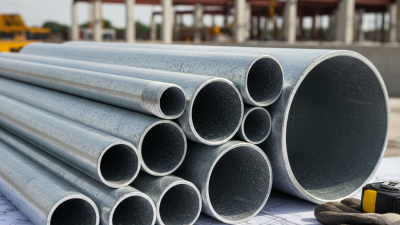
Galvanized Pipe has become a preferred choice in various construction and plumbing projects due to its durability and corrosion resistance. According to a recent industry report, over 70% of construction professionals recommend galvanized piping for water supply and drainage systems. This recommendation stems from the pipe's ability to withstand harsh environmental conditions while maintaining structural integrity. Additionally, galvanized pipes can last up to 50 years, making them a cost-effective solution in the long run.
The application of galvanized pipes extends beyond just plumbing. They are also utilized in building frameworks, scaffolding, and agricultural applications. A study indicated that galvanized steel can reduce maintenance costs by up to 30%, enhancing its appeal in budget-sensitive projects. However, some professionals still express concerns about the potential for lead contamination in older galvanized pipes, urging careful consideration of existing infrastructure.
In an industry focused on sustainability, galvanized pipe offers tangible advantages. The protective zinc coating not only prolongs the pipe's life but also minimizes the need for frequent replacements. This aligns with the push for reducing waste and promoting efficient use of resources. As you plan your next project, evaluating the suitability of galvanized pipe can lead to better outcomes, both economically and environmentally.
Benefits of Using Galvanized Pipe in Construction Projects
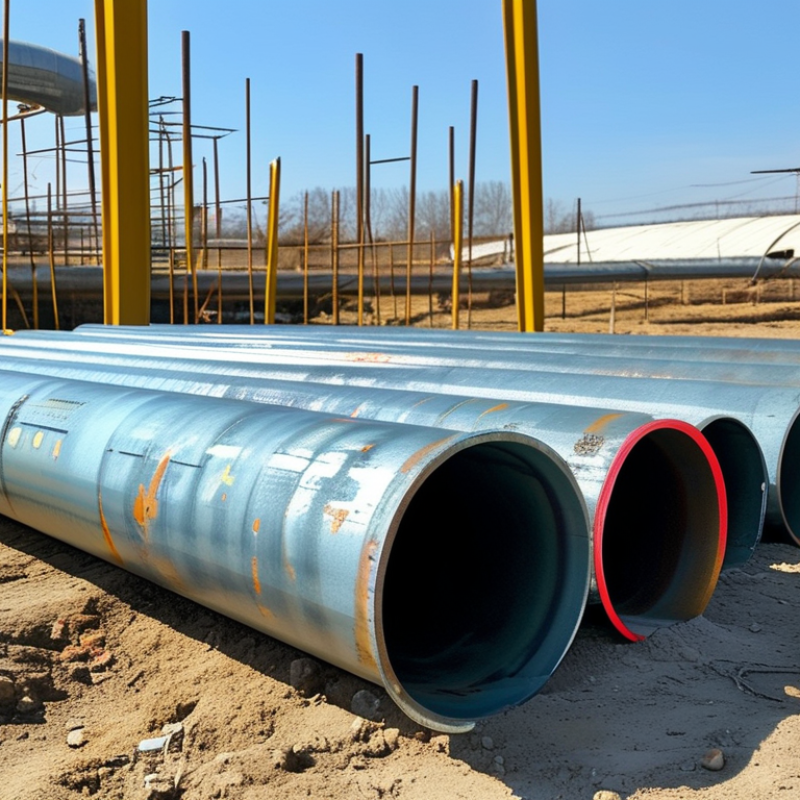
Galvanized pipes are a popular choice in construction for several reasons. These pipes undergo a zinc coating process, which offers excellent resistance to corrosion. This treatment extends their lifespan, making them suitable for both residential and commercial projects. For instance, in areas with high humidity, galvanized pipes can withstand the elements better than traditional alternatives.
Another significant benefit is durability. Galvanized pipes not only resist rust but also handle high-pressure systems effectively. They can support plumbing and sprinkler systems without frequent replacements. However, it's crucial to ensure proper installation. Poor installation can lead to leaks over time, negating some of the benefits.
Cost-effectiveness is a key factor as well. While the initial investment might be higher, their longevity offsets costs in the long run. Yet, some might argue against their weight, which can complicate installation procedures. Getting professional advice can help optimize the use of galvanized pipes for any project.
Durability and Corrosion Resistance of Galvanized Pipe
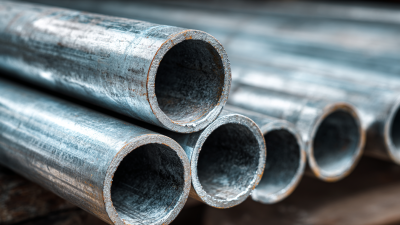
When considering materials for plumbing and construction projects, galvanized pipe stands out due to its exceptional durability. This type of pipe undergoes a process where it is coated with zinc, which adds a protective layer. This layer effectively combats rust and corrosion, ensuring a longer lifespan compared to unprotected steel pipes. Many users have noticed significant reductions in maintenance frequency, a crucial factor in cost management.
In addition to its corrosion resistance, galvanized pipe is remarkably sturdy, capable of withstanding high pressures and temperature variations. It can serve in various applications, from residential plumbing to industrial settings. However, it’s essential to consider that galvanized pipes can corrode over time, especially in extremely acidic or alkaline conditions. This potential drawback necessitates regular inspections and assessments during their lifespan.
Ultimately, choosing galvanized pipes reflects a balance between quality and longevity. While they may require thoughtful consideration regarding environmental conditions, the advantages in terms of durability are clear. The ability to resist corrosion effectively makes them a practical choice for many projects. Even with their strengths, users should monitor their maintenance needs regularly, as this remains vital for optimal performance.
Why Choose Galvanized Pipe for Your Next Project?
This chart represents the key benefits of choosing galvanized pipe for construction projects. With high ratings in corrosion resistance and durability, galvanized pipes prove to be a cost-effective option for long-lasting applications.
Cost-Effectiveness Comparison: Galvanized vs. Other Pipe Materials
When considering pipe materials for your next project, cost-effectiveness becomes crucial. Galvanized pipes offer a compelling option compared to alternatives like PVC or copper. While PVC is lightweight and inexpensive, it may not withstand extreme temperatures or pressure. Copper, though durable, comes with a hefty price tag. Galvanized pipes strike a balance between price and durability, providing corrosion resistance and strength.
Tips for selecting the right pipe: assess your project's specific needs. Consider the environmental conditions it will face. If you plan for long-term usage, investing in galvanized pipes could save you more than opting for cheaper materials.
Another point to reflect on is installation costs. While galvanized pipes may require skilled labor, the initial investment often pays off through longevity and lower maintenance. Be cautious, as improper installations can lead to unforeseen issues. Always consult experts in your area for tailored advice, ensuring you make an informed decision.
Applications of Galvanized Pipe in Various Industries
Galvanized pipe is widely used across various industries due to its durability and corrosion resistance. In construction, it serves as a reliable choice for water supply lines and structural support. Its ability to withstand harsh conditions makes it an ideal material for both indoor and outdoor applications. However, it's crucial to consider the environment where the pipes will be installed. In highly acidic soils, for example, even galvanized pipes may deteriorate over time.
In agriculture, these pipes are common for irrigation systems. They can easily handle high pressure, delivering water efficiently to crops. Nevertheless, maintenance is often overlooked, leading to unanticipated leaks or breaks. Regular inspections can mitigate these issues and enhance the longevity of the system.
Manufacturing facilities also use galvanized pipe in various ways. They transport gases, liquids, and powders effectively. Yet, when improperly installed or subjected to extreme temperatures, these pipes can pose safety risks. It's essential to ensure proper installation and adherence to safety standards in order to maximize their effectiveness and reliability.
Why Choose Galvanized Pipe for Your Next Project? - Applications of Galvanized Pipe in Various Industries
| Industry |
Application |
Benefits of Galvanized Pipe |
| Construction |
Structural framework and support |
Corrosion resistance, durability |
| Agriculture |
Irrigation systems |
Longevity, withstands harsh conditions |
| Oil and Gas |
Piping for transportation |
High strength, resistance to rust |
| Water Supply |
Main water lines |
Safe for drinking water, extend service life |
| Manufacturing |
Framework for equipment |
Load-bearing capacity, cost-effective |
Installation and Maintenance Tips for Galvanized Pipe Systems
Galvanized pipes are a popular choice for many construction projects. They offer durability and resistance to corrosion, which are essential qualities in plumbing systems. However, proper installation and maintenance are key to maximizing their lifespan.
When installing galvanized pipes, ensure that you use the right fittings and connectors. A report from the American Society of Plumbing Engineers indicates that improper fittings account for up to 30% of early pipe failures. Check for leaks during installation. Even a small leak can lead to significant water damage over time.
Regular maintenance is crucial for galvanized pipe systems. Inspect pipes for signs of rust or corrosion at least once a year. It’s important to monitor the water pressure as excessive pressure can damage the pipes. Reports show that maintaining pressure below 60 PSI can increase pipe life significantly. Another point to consider is that occasional flushing of the system can help remove any sediment buildup, ensuring optimal flow.
Addressing these factors can enhance the reliability of your galvanized piping. Being aware of potential issues will lead to better user experiences and reduce costly repairs.