Why Choose Steel Plate for Your Next Project?
When considering materials for construction or manufacturing, the choice of steel plate often stands out. Renowned industry expert, Dr. Jane Thompson, emphasizes its versatility, stating, "Steel plates adapt to various demands with strength and durability." This adaptability makes steel plate a reliable option for diverse projects, from bridges to machinery.
Steel plates offer excellent mechanical properties. They are strong yet flexible, allowing for creative designs. Their ability to withstand extreme conditions is essential in many applications. However, not all steel plates are the same. It's crucial to choose the right grade to meet specific project requirements.
Reflecting on your project's needs is vital. Will the chosen steel plate suffice in extreme temperatures? Is the thickness adequate for safety? Analyzing these details ensures the best outcomes. Opting for steel plate can be a smart decision, but it's essential to recognize potential limitations based on your unique context.
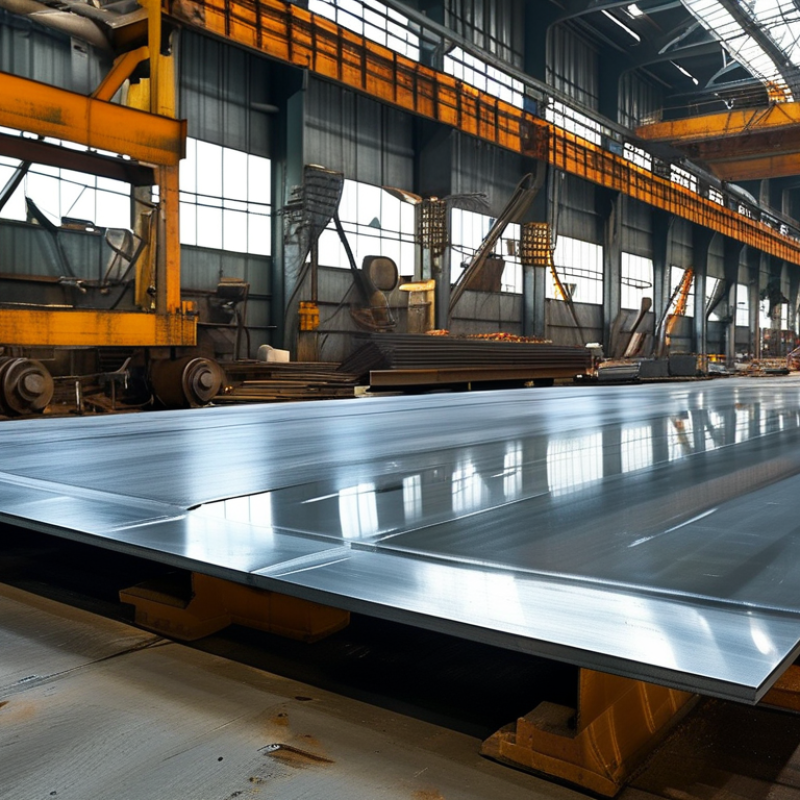
Benefits of Using Steel Plates in Construction Projects
Steel plates are gaining popularity in construction projects for various reasons. Their strength and durability make them an ideal choice for structural components. Unlike other materials, steel plates can withstand harsh weather and heavy loads. This resilience is crucial in environments prone to extreme conditions. For instance, buildings in earthquake-prone areas benefit greatly from steel's flexibility and strength.
In addition to strength, steel plates offer design versatility. They can be cut and shaped to fit unique architectural needs. This adaptability allows for innovative designs that can enhance visual appeal. Furthermore, steel plates are also recyclable, contributing to sustainable construction practices. However, it is important to note that the initial cost may be higher than other materials. Yet, the long-term benefits often justify this investment. The longevity and low maintenance of steel can lead to cost savings over time. This aspect often requires deeper consideration from project managers.
Versatility of Steel Plates in Various Industries
Steel plates are renowned for their versatility across various industries. They are widely used in construction. Their strength and durability make them ideal for structural components. Steel plates are also essential in manufacturing. They serve as a foundation for machinery and fabrication tasks. This reliability is crucial in maintaining safety standards.
In the automotive industry, steel plates contribute significantly to vehicle production. They are shaped into crucial parts, adding to a vehicle's overall integrity. In the oil and gas sector, these plates withstand harsh conditions. Their resistance to corrosion is vital in pipelines. However, not all steel plates perform equally under various conditions. Sometimes, they do require careful selection based on specific needs.
The construction of bridges and buildings often involves steel plates. Their availability in various grades allows for customized solutions. Yet, there is an ongoing challenge in balancing cost and quality. Many projects face hurdles when selecting appropriate materials. Overcoming these challenges requires both expertise and innovation. This makes understanding steel plate properties and applications essential.
Why Choose Steel Plate for Your Next Project?
Steel plates are utilized across various industries for their strength and versatility. Below is a chart illustrating the percentage usage of steel plates in different sectors.
Cost-Effectiveness of Steel Plates Compared to Alternatives
Choosing steel plates for construction projects can be highly cost-effective. According to the World Steel Association, steel is one of the most recycled materials in the world. This not only reduces waste but also lowers the cost of raw materials. Additionally, a report from the American Institute of Steel Construction shows that steel plates can be fabricated faster than many alternatives. This quick turnaround can save both time and labor costs, making steel a budget-friendly option.
When comparing steel plates to alternatives like aluminum or wood, the difference in durability and lifespan becomes clear. Steel plates can withstand harsh environmental conditions without warping or degrading. This resilience often translates into lower maintenance costs over time. Many industry studies indicate that while initial costs for steel may be higher, the long-term savings due to durability greatly outweigh these initial expenditures.
Of course, there are challenges. Recycling steel requires energy, and the production process can be carbon-intensive. These factors should be reconsidered in light of modern sustainability goals. Industry experts suggest that evaluating the entire lifecycle of materials can provide a clearer picture of their total cost-effectiveness. Such discussions on sustainability and cost are essential for making informed project decisions.
Durability and Strength of Steel Plates for Long-Term Use
Steel plates are renowned for their exceptional durability and strength. They are designed to withstand tremendous stress in demanding environments. From construction sites to heavy machinery, their reliability makes them a top choice. Their ability to resist corrosion and impact enhances their lifespan, making them suitable for long-term projects.
Using steel plates can lead to increased safety. Structures made with high-quality steel are less likely to fail. This is crucial in industries where human life is at stake. However, not all applications require the same thickness or type of steel plate, leading to potential miscalculations. Understanding these nuances is vital for optimal use.
Moreover, the versatility of steel plates is notable. They can be cut, welded, and shaped to meet specific project needs. Yet, improper handling may lead to waste or structural weaknesses. Projects should involve careful planning to maximize the benefits of steel plates while avoiding common pitfalls. A blend of engineering insight and practical experience is essential for success.
Environmental Considerations of Using Steel in Projects
The environmental impact of using steel in projects is significant. Steel is highly recyclable, which reduces the need for new raw materials. According to the World Steel Association, about 85% of steel is recycled at the end of its life. This process saves energy and lowers carbon emissions. Producing recycled steel uses 40% less energy than making new steel. Moreover, recycling steel can lead to substantial reductions in greenhouse gases.
However, the extraction and processing of iron ore for steel production can be harmful. Mining operations often disrupt local ecosystems and contribute to soil erosion. The carbon footprint of producing new steel remains a concern for sustainability. Reports indicate that steel production accounts for 7-9% of global CO2 emissions.
Choosing steel requires careful consideration of these environmental factors. Engaging in responsible sourcing of steel can mitigate some of these impacts. Projects that prioritize sustainability can still utilize steel effectively. Yet, industry practices must continuously evolve. Balancing the benefits of steel with ecological responsibility remains a challenge that the industry must address.
Why Choose Steel Plate for Your Next Project? - Environmental Considerations of Using Steel in Projects
| Aspect |
Details |
Environmental Impact |
| Recyclability |
Steel can be recycled at the end of its life cycle. |
Reduces waste and conserves resources. |
| Durability |
Long lifespan with low maintenance requirements. |
Minimizes resource consumption over time. |
| Energy Efficiency |
Manufacturing processes have become more energy-efficient. |
Lower carbon footprint compared to many materials. |
| Sustainability |
Steel production is moving toward sustainable practices. |
Supports global effort to reduce environmental impact. |
| Versatility |
Can be used in a variety of applications. |
Promotes efficient use of materials across projects. |