Top China Carbon Steel Coil Suppliers for Global Buyers?
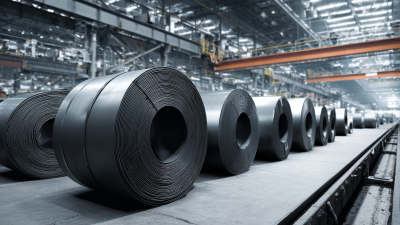
As the global demand for Carbon Steel Coil continues to rise, it is essential for buyers to identify reliable suppliers. According to a recent report by the International Steel Association, the global carbon steel market is projected to reach over 1.5 billion metric tons by 2025. This growth is driven by the construction, automotive, and manufacturing industries. China stands out as a leading provider, encompassing more than 50% of the global supply of carbon steel products.
Several top suppliers offer a wide range of carbon steel coils, catering to various industrial needs. They guarantee quality, competitive pricing, and timely delivery. However, potential buyers should remain vigilant. The market can be flooded with substandard products, leading to significant financial losses.
Understanding supplier reputations is crucial. Buyers must approach partnerships based on trust and transparency. By evaluating industry certifications and customer reviews, one can mitigate risks associated with sourcing carbon steel coils. Overall, choosing the right supplier can significantly impact project outcomes and operational efficiency.
Overview of Carbon Steel Coils and Their Applications
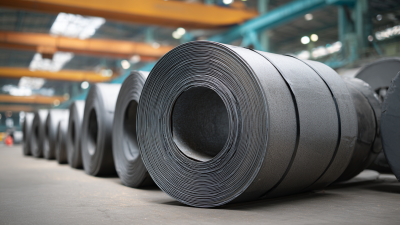
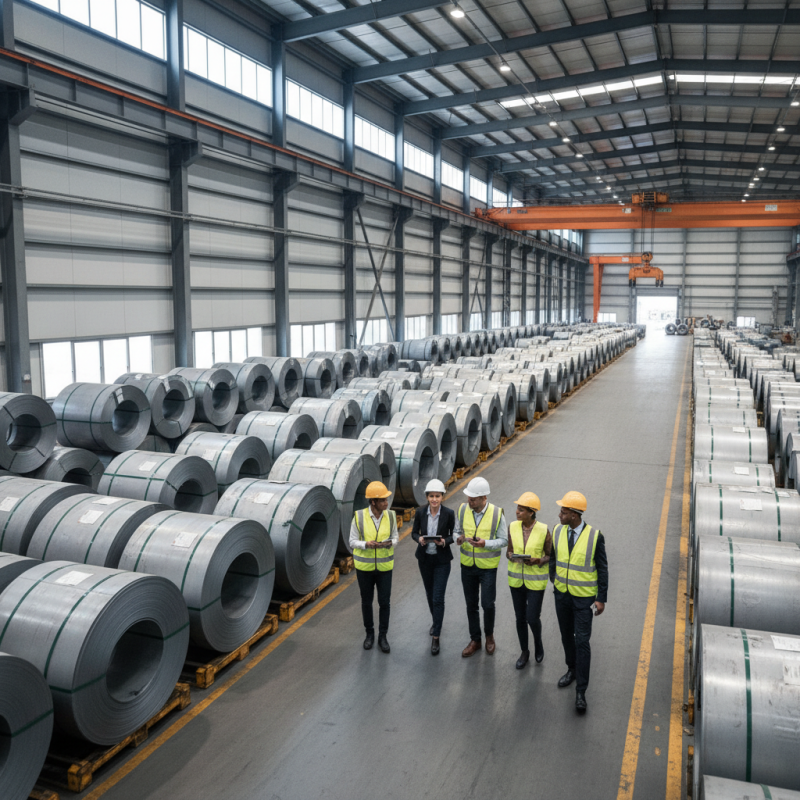
Carbon steel coils are essential materials widely used in various industries. Their strength and versatility make them ideal for construction, automotive, and manufacturing applications. These coils consist mainly of iron and carbon, providing an excellent balance of ductility and durability. Many industries prefer them for products like pipes, beams, and sheets due to their cost-effectiveness.
These steel coils differ in grades and thickness, making it easy to find the right type for specific needs. For example, higher carbon content results in stronger materials, suited for heavy-duty applications. The surface treatments can also enhance corrosion resistance, crucial for long-lasting performance. However, the quality can vary based on production processes. Not all suppliers maintain the same standards, which poses challenges for buyers seeking reliability.
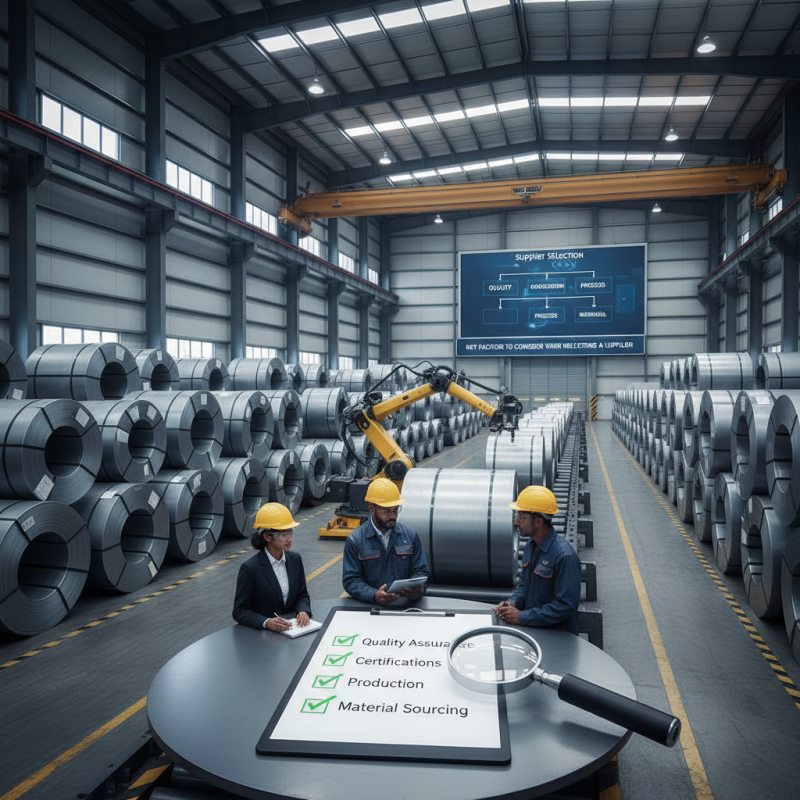
Sourcing from reputable suppliers is vital for ensuring product integrity. Global buyers should consider factors like production capacity, certifications, and customer reviews when selecting partners. While market trends show an uplift in demand, buyers should remain cautious. The industry sometimes experiences fluctuations in quality due to supply chain pressures. Ensuring proper due diligence is essential to make informed choices without compromising on standards.
Leading Suppliers of Carbon Steel Coils in China
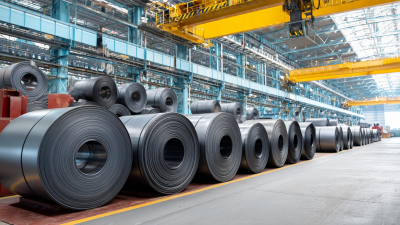
China has emerged as a leading hub for carbon steel coil manufacturing. This sector plays a critical role in global trade, with a reported export value exceeding $20 billion annually. In 2022, carbon steel coil accounted for nearly 50% of China's total steel exports, showcasing its significance. Manufacturers focus on meeting international quality standards, ensuring reliability and strength.
Competition among Chinese suppliers is intense. Many invest heavily in technology to boost production efficiency and product quality. Recent data indicates that top producers have improved their processes, reducing defects significantly. Yet, challenges remain, including fluctuating raw material prices and the necessity for sustainable practices. Adopting green technologies is increasingly essential for suppliers to maintain a competitive edge in a global market that's shifting toward carbon neutrality.
The demand for carbon steel coils continues to grow, especially in the construction and automotive industries. However, suppliers must be aware of evolving regulatory frameworks. Meeting environmental regulations can pose complexities. Striking a balance between profitability and compliance is vital for long-term success. As the market evolves, suppliers must adapt, innovate, and reflect on their strategies to navigate these challenges effectively.
Top Carbon Steel Coil Suppliers in China
This chart represents the estimated annual production capacity of various carbon steel coil suppliers in China. The data is presented as a bar chart, showcasing the dimensions in metric tons (MT) for a better understanding of each supplier's market capacity.
Comparison of Quality and Pricing Among Top Suppliers
When sourcing carbon steel coils, quality and pricing are critical factors. Buyers should compare various suppliers to ensure they get the best deal. Many suppliers offer different standards of quality, which can impact overall costs. A deeper look into specifications and testing procedures is essential. This avoids complications and unexpected expenses later.
Tip: Always request product samples. A small investment in samples can save larger costs and headaches later. Check for certifications that meet international standards as well. This will help gauge the reliability of your supplier.
Price variations can stem from various factors, including manufacturing processes and material sourcing. Some suppliers may offer low prices but might compromise on quality. It’s vital to assess value rather than just cost. Inspecting past client reviews provides insight into consistency and service reliability.
Tip: Establish clear communication with suppliers. Discuss payment terms, lead times, and delivery conditions upfront. This sets mutual expectations and can prevent misunderstandings. Aim for suppliers who demonstrate transparency and openness in their transactions.
Top China Carbon Steel Coil Suppliers for Global Buyers
| Supplier Type |
Average Price (USD/Ton) |
Quality Rating (1-5) |
Lead Time (Days) |
Export Experience (Years) |
| Large Manufacturer |
750 |
4.5 |
30 |
15 |
| Mid-sized Supplier |
800 |
4.2 |
25 |
10 |
| Small Supplier |
850 |
3.8 |
20 |
5 |
| Trading Company |
780 |
4.0 |
15 |
8 |
| Direct Exporter |
730 |
4.7 |
28 |
12 |
Trends and Future Outlook of China's Carbon Steel Industry
China's carbon steel industry is undergoing significant transformations. According to industry reports, production has increased by around 10% annually over the past five years. This growth is primarily driven by urbanization and infrastructure projects across the nation. However, environmental concerns have led to stricter regulations. The government aims to reduce carbon emissions by 30% in the upcoming decade.
Supply chain challenges have highlighted vulnerabilities in sourcing raw materials. The fluctuations in iron ore prices also impact production costs. Despite these challenges, technological advancements are reshaping production processes. Automation and energy-efficient technologies are becoming more prevalent. Reports suggest that these innovations could reduce production costs by up to 15%, making it a win-win for manufacturers.
The future outlook remains mixed. Demand is likely to grow in the construction sector. However, global competition intensifies as other countries ramp up their production capacities. Reports indicate that companies must adapt quickly to maintain market share. These dynamics create both opportunities and challenges for stakeholders.