Why Choose Copper Plate for Your Industrial Needs?
Choosing the right material for industrial applications is crucial. One material that stands out is copper. Jane Smith, a leading expert in metallurgy, emphasizes, “Copper Plate offers unmatched conductivity and durability.” This highlights why industries increasingly favor copper.
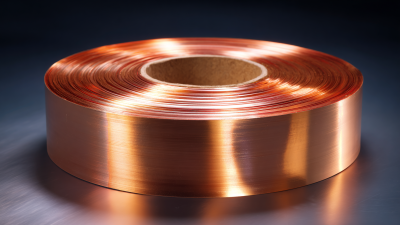
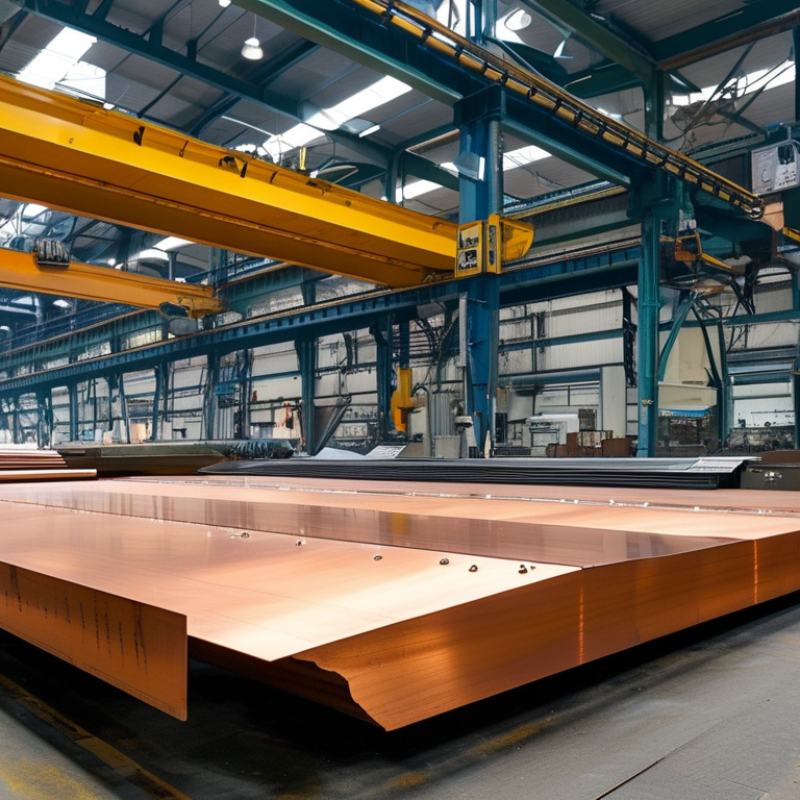
Copper Plates are widely used in electronics, plumbing, and construction. Their unique properties make them ideal for various applications. For instance, they resist corrosion and have excellent thermal conductivity. Businesses need reliable materials to ensure efficiency. Yet, are they fully leveraging copper’s advantages?
While copper is beneficial, cost can be a concern. Companies may hesitate due to higher initial expenses. However, the long-term savings on maintenance and energy often justify the investment. Reflecting on the real-world choices reveals the importance of considering both short-term costs and long-term value when selecting materials like Copper Plate.
Benefits of Copper Plate in Industrial Applications
Copper plates are gaining popularity in various industrial applications. Their unique properties provide several advantages that enhance operational efficiency. First, copper is an excellent conductor of electricity and heat. This makes it ideal for electrical components and thermal applications. Industries often use copper plates for electrical wiring and heat exchangers due to these properties.
Another key benefit of copper plates is their corrosion resistance. Unlike many metals, copper can withstand harsh environments without degrading quickly. This durability ensures long-lasting performance in industrial settings. However, some businesses may overlook maintenance. Regular checks can help address issues before they escalate.
Copper also has antimicrobial properties, which can be beneficial in specific applications, such as food processing. While copper plates can be more expensive than alternatives, the long-term savings in maintenance and performance can outweigh the initial investment. Decision-makers should weigh the pros and cons to determine if copper is the right choice for their needs.
Durability and Strength of Copper Plates Compared to Other Materials
Copper plates offer exceptional durability and strength, making them a preferred choice for many industrial applications. According to the International Copper Association, copper has a tensile strength of around 210 MPa, which is considerably higher than that of aluminum and zinc. This inherent strength allows copper plates to withstand significant stress and strain, ensuring longevity in demanding environments.
In addition to strength, copper plates exhibit excellent corrosion resistance. Studies show that copper remains effective even in harsh conditions, such as exposure to rain, humidity, and industrial pollutants. In environments where other materials might degrade quickly, copper's natural properties can result in lower maintenance costs. This reliance on copper could lead to savings of approximately 30% in maintenance budgets over time, according to industry analyses.
Another factor to consider is the thermal conductivity of copper. It outperforms most metals, boasting a thermal conductivity of 401 W/m·K. This feature is crucial in applications like heat exchangers, where efficient heat transfer is essential. However, one disadvantage is that copper is heavier than alternatives like aluminum, which can pose challenges in certain applications. Balancing these factors is vital when making material choices.
Cost-Effectiveness of Using Copper Plates in Manufacturing
Copper plates are increasingly favored in industrial manufacturing due to their cost-effectiveness. Recent industry reports indicate that using copper can reduce production costs by approximately 15%. This is significant when considering the overall budget of manufacturing processes.
The durability of copper plates contributes to this cost-effectiveness. With a tensile strength that exceeds many alternative materials, copper retains its integrity over time. This minimizes the frequency of replacements, directly impacting operational costs. However, the initial investment in copper can be higher than lower-quality metals. Companies must weigh this upfront cost against long-term savings.
Moreover, copper's thermoconductivity and malleability enhance efficiency in manufacturing processes. These properties allow for faster heat transfer and easier shaping, boosting productivity. While some may question the sourcing of copper and its environmental impact, advancements in recycling have improved its sustainability profile. Balancing these factors is essential for manufacturers aiming to optimize their operations while adhering to cost constraints.
Versatility of Copper Plates in Various Industrial Use Cases
Copper plates offer unmatched versatility in various industrial applications. Their excellent conductivity makes them ideal for electrical components. According to the International Copper Association, copper is the preferred choice for more than 60% of electrical materials. This high demand is due to its low resistance and efficient thermal properties, making it essential for motors, transformers, and electrical wiring.
In addition to electrical applications, copper plates are widely used in construction and manufacturing. The material's resistance to corrosion increases its lifespan in harsh environments. Data from the Copper Development Association indicates that copper is utilized in plumbing, roofing, and HVAC systems, contributing to nearly 29% of total copper demand in the U.S. These plates are also favored in the automotive industry for components that require a blend of strength and flexibility, highlighting their multifaceted utility.
Moreover, the growth of renewable energy technologies has further expanded copper's role. Solar panels and wind turbines rely heavily on copper for their efficiency. Nevertheless, the industry's reliance on copper raises questions about sustainability. The mining process can lead to environmental degradation, necessitating a balance between utilization and eco-friendliness. This reflection prompts a reevaluation of how we source and use copper while addressing both industrial needs and environmental responsibilities.
Sustainability and Environmental Impact of Copper Plate Usage
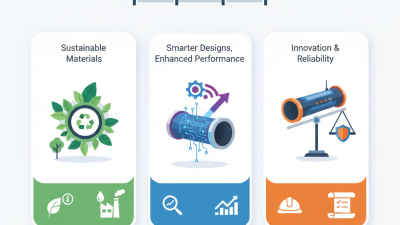
Copper plate has become a popular choice in various industries due to its sustainability and environmental friendliness. According to a 2022 report by the International Copper Association, copper is 100% recyclable. This means that copper plates can be reused indefinitely without losing quality. In fact, around 80% of copper is recycled globally, significantly reducing the demand for new mining.
The environmental impact of using copper plates is also noteworthy. Mining and processing copper generate considerable greenhouse gases. However, when manufacturers switch to recycled copper plates, they can cut emissions by up to 80%. This transition results in less energy consumption and reduced waste. Despite these advantages, we must consider the challenges associated with copper mining, such as habitat destruction and water pollution.
Moreover, while copper plate usage offers clear benefits, it isn't without downsides. Not all recycling facilities are equipped to handle copper effectively. This can lead to inefficiencies in the recycling process. Understanding these trade-offs is vital for decision-makers in industrial sectors. The push for sustainability must be balanced with the reality of resource extraction practices.
Why Choose Copper Plate for Your Industrial Needs? - Sustainability and Environmental Impact of Copper Plate Usage
| Dimension |
Value |
Environmental Impact |
Sustainability Practices |
| Thermal Conductivity |
401 W/(m·K) |
High efficiency in energy transfer |
Recyclable material |
| Electrical Conductivity |
58 MS/m |
Reduced energy waste |
Low environmental footprint |
| Corrosion Resistance |
Excellent |
Longevity of materials |
Contributes to product lifespan |
| Recyclability |
100% |
Minimal waste in lifecycle |
Promotes circular economy |
| Availability |
Widely available |
Secure supply chain |
Responsible sourcing practices |