Leave Your Message

What Is Carbon Steel Coil Used For?

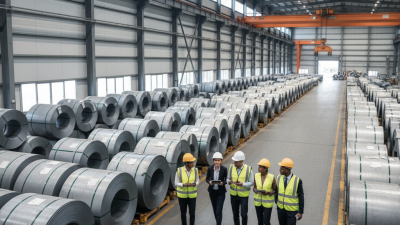
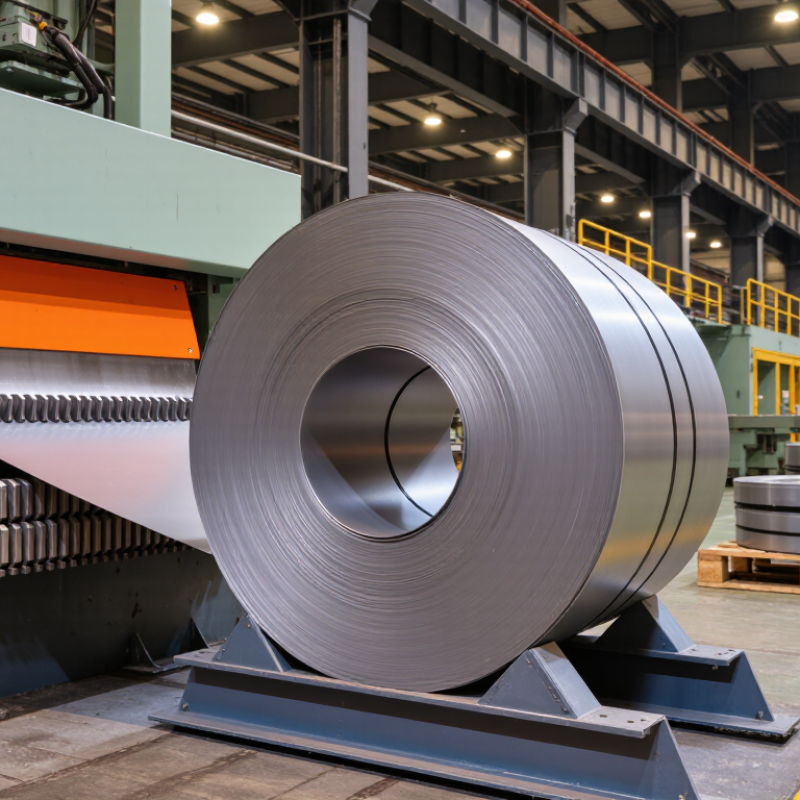
Carbon Steel Coil is a practical starting point for products that must be shaped, cut, or formed at scale. It is supplied in wound strips, ready for processing into parts of different widths and thicknesses. On a factory floor, a coil may feed a stamping line, where flat sheet becomes brackets, panels, or appliance housings. Another batch may be slit into narrow bands for tubes or structural components.

Its uses depend on grade, thickness, surface condition, and the demands of the finished product. Manufacturers value its strength and formability, but no single coil suits every job. A buyer must consider forming requirements, welding, corrosion exposure, and the intended finish. A poor match can mean extra rework. That deserves attention.

For a verified expert perspective, this draft needs a sourced quotation: “[Insert an exact, verified quotation about carbon steel coil applications]” — [Expert’s full name], [professional role and organization]. Naming a specialist or inventing a quotation without a reliable source would weaken the article’s credibility. Check the quotation against an interview, published technical source, or the expert’s organization before publication.

The sections that follow can explain where Carbon Steel Coil is used, how processing affects its performance, and what buyers should assess before selecting a grade. The details matter. A coil’s label alone cannot show whether it will run smoothly through a press or hold up in service. Reliable selection begins with the application, then works backward to the material.
What Is Carbon Steel Coil Used For?

Carbon Steel Coil: Composition, Grades, and Key Properties

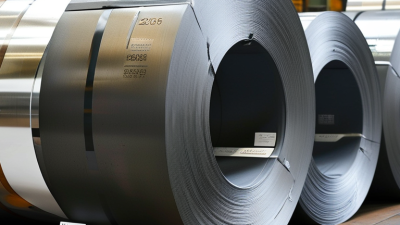
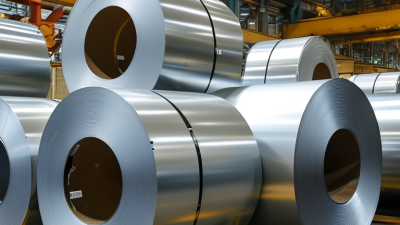
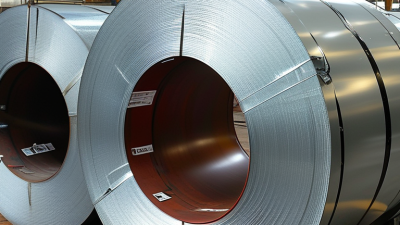
Carbon steel coil is a flat, continuous sheet wound into a roll for storage and processing. Its main ingredient is iron, with carbon added to adjust strength and hardness. Small amounts of manganese and other residual elements may also be present. Even modest composition changes can affect how the coil bends, welds, or responds to forming.

Grades are often grouped by carbon content. Low-carbon steel is generally easier to shape and weld, making it suitable for panels, ductwork, and general fabrication. Medium-carbon grades offer greater strength but may need more care during forming. High-carbon steel can be harder and more wear-resistant, though it is less forgiving to bend. Grade names and limits vary between standards, so a supplier’s specification and material test certificate matter. Labels alone can be confusing.

Key properties include thickness, tensile strength, ductility, surface condition, and dimensional consistency. Hot-rolled coil commonly has a rougher surface, while cold-rolled coil is smoother and often held to tighter tolerances. Neither is automatically better; the part’s use determines the choice. A coil that looks uniform may still behave differently near its edges during stamping. That detail is easy to overlook. Choosing by price alone can also backfire, since extra finishing or scrap may erase the initial savings.
How Carbon Steel Coil Is Processed and Supplied

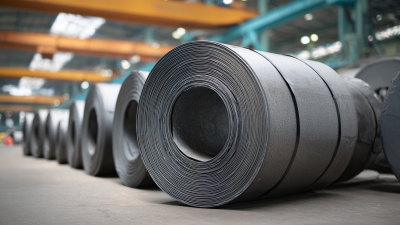
Carbon steel coil is processed to match the next manufacturing step, not just rolled into a convenient shape. A hot-rolled route reheats a slab, removes surface scale with high-pressure water, and reduces it through rolling stands before coiling. The result suits structural parts, brackets, and formed components where a mill finish is acceptable. For thinner, smoother material, mills pickle hot-rolled strip, cold-reduce it, then anneal it to restore formability. Some orders also receive a metallic coating. Small process changes matter.

The World Steel Association’s World Steel in Figures 2025 reports 1,882.6 million tonnes of crude steel production in 2024. That figure covers all crude steel, not coil alone, but it shows the scale of the supply system behind coil products. Buyers typically specify grade, thickness, width, edge condition, surface, and mechanical properties. Suppliers can slit master coils into narrower widths or cut them into sheets. Before dispatch, checks commonly include dimensions, surface defects, coil weight, and identification labels; packaging protects edges from dents and moisture during transit. A coil may look uniform from the outside, yet its inner wraps can reveal issues. That is easy to overlook. Tolerances and inspection records should match the intended forming process, since a coil suitable for simple bending may not perform well in deep drawing.

What Is Carbon Steel Coil Used For? — How It Is Processed and Supplied
Application Typical Products Common Processing How Coil Is Supplied Practical Considerations
Automotive and transport Vehicle body panels, brackets, seat components, trailer parts, and structural sections Cold rolling, blanking, stamping, bending, and welding Hot-rolled or cold-rolled coil; slit coil or cut blanks for downstream forming Formability, strength, surface condition, and consistent thickness are selected to suit the component.
Construction and building products Roof and wall cladding, studs, purlins, decking, and general fabricated sections Slitting, roll forming, profiling, cutting to length, and fabrication Coil for roll-forming lines, or sheets cut to specified lengths Coated coil may be used where added corrosion protection or a finished exterior surface is required.
Pipes and tubular products Welded tube, pipe, and hollow sections for construction, furniture, and industrial uses Slitting into strips, roll forming, longitudinal welding, and sizing Hot-rolled or cold-rolled slit coil, selected to match the tube mill and finished dimensions Strip width, thickness, edge quality, and weldability affect production and finished-tube quality.
Appliances and household equipment Cabinet panels, housings, frames, shelves, and internal components Cold rolling, leveling, blanking, stamping, bending, and finishing Usually supplied as cold-rolled coil or sheets; surface-treated coil may be specified for some products Surface appearance and dimensional consistency are important for visible panels and assembled parts.
Drums, containers, and general packaging Steel drums, pails, container bodies, lids, and closures Slitting, blanking, forming, seaming, and welding Coil or slit strip, with thickness and width matched to the forming equipment Coating or other surface protection may be needed depending on the contents and service environment.
Industrial fabrication and machinery Machine guards, equipment panels, brackets, frames, and fabricated parts Shearing, laser or plasma cutting, punching, bending, and welding Hot-rolled or cold-rolled coil, slit coil, or cut-to-length sheet Material grade and thickness are chosen for the required strength, fabrication method, and operating conditions.
Service-center processing Custom-width strip and flat sheets supplied to manufacturers Uncoiling, slitting, edge trimming, leveling, and cut-to-length processing Full-width master coils, narrow slit coils, or stacked sheets Order specifications commonly define grade, thickness, width, coil weight, inside diameter, and packaging.

Common Uses in Construction and Infrastructure

What Is Carbon Steel Coil Used For?

Common Uses in Construction and Infrastructure

Carbon steel coil is flat steel wound for storage and transport, then slit, cut, or roll-formed into building products. Common examples include roof and wall panels, floor decking, cold-formed framing, and steel studs. In infrastructure, processed coil can become guardrails, drainage culverts, and utility enclosures. It is not a finished beam. Shape, thickness, grade, and coating determine where it can be used. That detail matters.

The scale is significant: worldsteel’s Steel in the Circular Economy report estimates that construction accounts for about 50% of global steel demand. Coil helps supply repeatable sections for large projects, but the material still needs suitable corrosion protection and installation details.

The American Society of Civil Engineers reported in its 2021 Infrastructure Report Card that 42% of U.S. bridges were at least 50 years old. Repairs and upgrades can involve formed steel products, though coil is only one part of the supply chain. I would not treat it as a universal fix; exposure, load, and maintenance plans must guide the specification.

Applications in Automotive, Appliances, and Manufacturing

Carbon steel coil is a continuous strip wound into a compact roll, ready to be cut, stamped, or formed. In automotive production, it can become door panels, brackets, seat structures, and parts of vehicle frames. The steel’s strength supports durable components, while its formability helps manufacturers shape curves and channels. It starts flat. The right grade and thickness depend on the part, forming process, and required performance.

Appliance makers use carbon steel coil for washer cabinets, refrigerator panels, oven parts, and internal supports. These components often need consistent dimensions and a clean surface for finishing. Some coils receive protective coatings to improve corrosion resistance, but coatings are not suitable for every design. Heat, moisture, and the intended finish all matter. A small surface defect may seem minor on a raw coil, yet become obvious after painting.

Across manufacturing, coil stock feeds presses, roll-forming lines, and cutting equipment. A workshop might slit a wide coil into narrower strips, then stamp those strips into repeatable parts. This steady feed can reduce handling between operations. Still, setup is not automatic: coil thickness, edge quality, and material variation can affect tool wear and finished dimensions. Not every line runs perfectly. Checking sample parts during a production run can catch drift before it spreads across a full batch.

How to Select the Right Carbon Steel Coil for a Project

What Is Carbon Steel Coil Used For?
How to Select the Right Carbon Steel Coil for a Project

Carbon steel coil is processed into sheet and strip for automotive panels, appliance housings, building components, pipes, and machinery. The right coil is not simply the thickest or cheapest. Start with the finished part: its load, shape, exposure, and production method. A folded indoor bracket needs different properties from an outdoor panel exposed to moisture.

Check grade, thickness, width, surface condition, and dimensional tolerances against the part drawing. For deep drawing, ask the supplier for formability data; for welded structures, confirm the grade suits the joining process. ASTM A1008 and A1011 cover different types of cold- and hot-rolled sheet, so verify the exact specification rather than relying on a grade name alone. Need corrosion protection? Consider coating or a separate finish, and account for added thickness and cost. Small details matter.

The World Steel Association’s World Steel in Figures 2024 reports 1,892.2 million tonnes of crude steel production in 2023. That figure shows the scale of steelmaking, not demand for any particular coil grade. Request a mill test certificate and compare its chemistry and mechanical properties with project requirements. Also confirm coil weight, inner diameter, and edge condition fit the line handling it. A practical trial can expose springback or surface marks before full production. It may feel excessive, but guessing can be expensive.