What Are the Best Types of Metal Sheets for Purchase?
When selecting the best types of Metal Sheets, it's vital to consider various factors. The Metal Sheets industry has seen significant growth, projected to reach $138 billion by 2025, according to a recent report by MarketsandMarkets. This rising demand highlights the importance of understanding the qualities and applications of different metals. Industry expert Dr. Sarah Johnson noted, "Choosing the right type of Metal Sheets can greatly impact project success."
Metal Sheets come in various types, including aluminum, stainless steel, and galvanized steel. Each type has unique properties suitable for specific applications. For instance, aluminum is lightweight and corrosion-resistant, making it ideal for aerospace and automotive industries. Stainless steel, on the other hand, offers strength and durability, suitable for construction and manufacturing. However, choosing the right material can be overwhelming. Common mistakes include overlooking the required thickness or finish for a particular job.
Despite the wealth of available options, the selection process isn't always straightforward. Many businesses still struggle to match the right Metal Sheets to their needs. Increased transparency in supplier offerings sometimes leads to confusion rather than clarity. Understanding these nuances can help ensure that your investment in Metal Sheets yields the desired results and enhances project outcomes.
Types of Metal Sheets Available in the Market
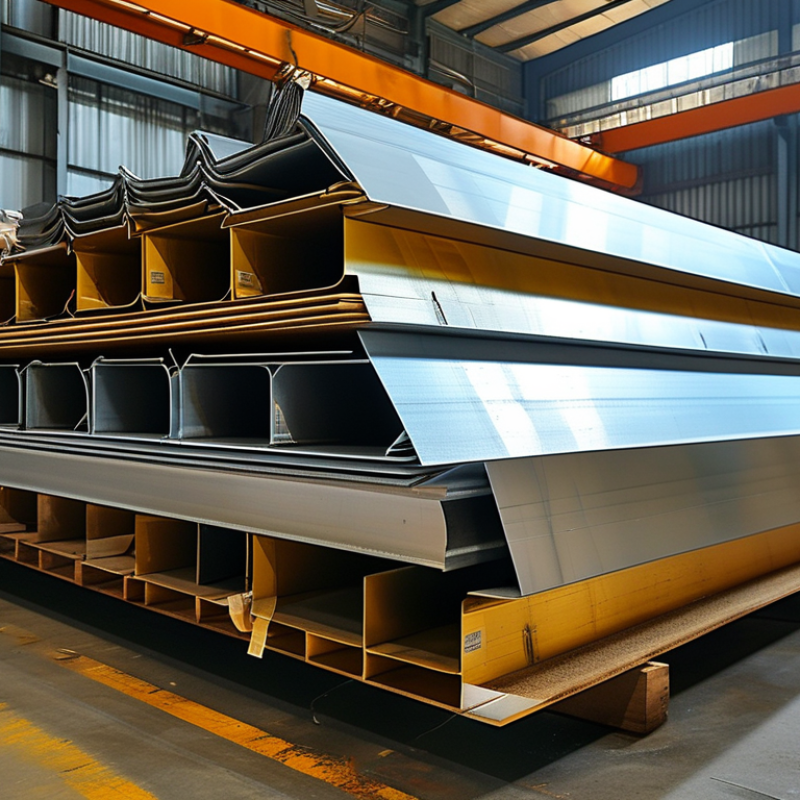
When considering the best types of metal sheets available in the market, several options stand out due to their applications and properties. Steel sheets are popular for their strength and durability. They are often used in construction and industrial settings. Aluminum sheets, on the other hand, are lightweight and resistant to corrosion. Many manufacturers prefer aluminum for products that require a good strength-to-weight ratio.
Copper and brass sheets also have their unique advantages. Copper is known for its excellent conductivity and aesthetic appeal in architectural applications. Brass, an alloy of copper and zinc, is often chosen for decorative items and fittings due to its attractive finish. Each type of metal sheet has specific characteristics that make it suitable for various projects.
The choice of metal sheet is not merely about preference. It requires an understanding of the project needs and the environment the material will face. Mistakes can happen when one overlooks aspects such as corrosion resistance or weight. Always consider the specific requirements of your project before making a decision. This approach helps to avoid costly errors later on.
Key Characteristics of Common Metal Sheet Materials
When choosing metal sheets, understanding the various materials is crucial. Aluminum sheets are lightweight and resistant to corrosion. They are commonly used in automotive and aerospace industries. According to a recent industry report, aluminum sheets account for approximately 30% of the total metal sheet market due to their versatility.
Stainless steel sheets are another popular option. They offer exceptional strength and durability, making them ideal for construction and manufacturing. This type of metal sheet is known for its ability to withstand high temperatures and corrosive environments. Reports indicate that stainless steel represents about 25% of the metal sheet market.
Cold-rolled steel sheets, with their smooth finish and high strength, are widely used in appliance and automotive applications. They can be more expensive than hot-rolled steel but provide better surface quality. However, they may require additional coatings to prevent rust. While many prefer cold-rolled steel for its strength, it also poses challenges in handling due to its tendency to deform under high temperatures. Each material presents its own strengths and weaknesses, making it essential to evaluate project needs before making a purchase.
Comparative Analysis of Steel, Aluminum, and Copper Sheets
When considering metal sheets for various applications, each material offers unique benefits and drawbacks. Steel is known for its strength and durability. It is often used in construction projects and heavy machinery. However, steel is susceptible to rust, which is a significant downside for outdoor use. Proper coating can mitigate this issue, but it requires upkeep and investment.
Aluminum is lightweight and resistant to corrosion, making it an excellent choice for automotive and aerospace applications. Its thermal conductivity is outstanding, which helps in heat dissipation. Yet, aluminum is softer than steel, making it less suitable for high-impact applications. This quality might lead to wear and denting over time, raising concerns for some projects.
Copper sheets stand out due to their excellent electrical conductivity. This makes them ideal for electrical applications. They are also naturally antimicrobial, which is beneficial for healthcare settings. On the downside, copper can be more expensive and requires careful handling to prevent tarnishing. Each type of metal sheet serves its purpose well, depending on the specific requirements of your project. Evaluating these factors is critical for making an informed choice.
Factors to Consider When Selecting Metal Sheets for Purchase
When selecting metal sheets for purchase, several factors are essential to consider. The type of metal significantly affects durability and application. Common options include aluminum, steel, and copper. Each metal has unique properties, making it suitable for different uses. Aluminum is lightweight and resistant to corrosion, while steel offers strength and versatility. Copper is valued for its conductivity but can be more expensive.
Another factor is thickness. Metal sheets come in various gauges, impacting strength and weight. Thicker sheets endure harsh conditions but can be more challenging to work with. Ensure the thickness aligns with your project's demands. Cutting and shaping metal may also require specific tools or expertise.
When purchasing, evaluate your supplier’s reputation. Look for reviews or case studies to gauge reliability. It’s crucial to verify that the metal sheet meets industry standards. Always ask about certification and quality assurance processes.
Choosing metal sheets can be complex. Reflect on your intended use to avoid overspending on unnecessary features. Consider sourcing locally, as transportation costs can influence pricing. Understanding your needs will lead to smarter purchasing decisions.
Comparison of Popular Metal Sheet Types
This chart compares the weight of popular types of metal sheets per square foot. Aluminum is the lightest, while copper is the heaviest. Consider these weights when selecting metal sheets for your projects to ensure adequate structural support.
Top Suppliers and Manufacturers of Metal Sheets
When selecting metal sheets, understanding suppliers is crucial. A diverse range of manufacturers exists, providing various types of metal sheets. These sheets vary in thickness, shape, and material, catering to different project needs. Engaging with reputable suppliers ensures access to quality products and reliable information.
Tips for finding the right supplier include researching their industry experience. A supplier with a strong track record demonstrates reliability. Check online reviews and ratings to gauge customer satisfaction. Ensure they provide detailed product specifications, as this affects your project's outcomes.
Quality control processes are vital. A good manufacturer employs strict quality measures. Ask about their certifications to verify standards. An informed choice can prevent future issues, like subpar materials, impacting structural integrity. Remember, mistakes in selection can lead to costly corrections down the line.
What Are the Best Types of Metal Sheets for Purchase?
| Type of Metal Sheet |
Material Properties |
Common Uses |
Thickness Range (mm) |
Approximate Price ($/sq ft) |
| Aluminum Sheet |
Lightweight, corrosion-resistant, excellent machinability |
Aerospace, automotive, packaging |
0.5 - 10 mm |
$2.50 - $5.00 |
| Steel Sheet |
Strong, durable, magnetic, good weldability |
Construction, manufacturing, automotive |
1 - 20 mm |
$1.50 - $4.00 |
| Stainless Steel Sheet |
Corrosion-resistant, durable, high temperature resistance |
Food processing, medical equipment, architectural |
0.5 - 12 mm |
$3.00 - $6.50 |
| Copper Sheet |
Excellent conductivity, malleable, corrosion-resistant |
Electrical applications, roofing, plumbing |
0.3 - 10 mm |
$4.00 - $8.00 |
| Galvanized Steel Sheet |
Corrosion-resistant, strong, economical |
Construction, automotive, appliances |
0.5 - 5 mm |
$1.20 - $3.00 |