Why Choose Aluminum Plate for Your Next Project?
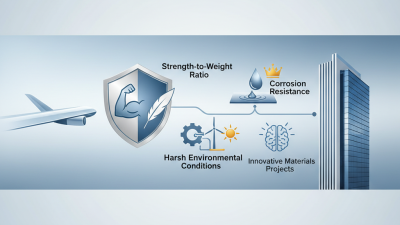
When considering materials for your next project, Aluminum Plate stands out for various reasons. In the manufacturing sector, aluminum's lightweight nature is often cited as a key factor. According to a recent industry report from the Aluminum Association, aluminum can weigh up to 75% less than steel. This attribute significantly reduces transportation costs and enhances fuel efficiency in applications such as aerospace and automotive.
Moreover, Aluminum Plate boasts superior corrosion resistance. The 2022 Global Corrosion Report highlighted that maintenance costs related to corrosion in industrial settings amount to over $2.5 trillion annually. Using aluminum can help mitigate these costs. Additionally, its recyclability aligns with modern sustainability efforts. The recycling rate for aluminum is approximately 75%, providing an eco-friendly option.
However, it's important to recognize that Aluminum Plate is not without challenges. Its conductivity must be carefully managed in electrical applications. Proper evaluations and strategies are necessary to prevent unexpected complications. Despite this, the advantages often outweigh the drawbacks, making Aluminum Plate a reliable choice for diverse projects.

Advantages of Using Aluminum Plate in Construction Projects
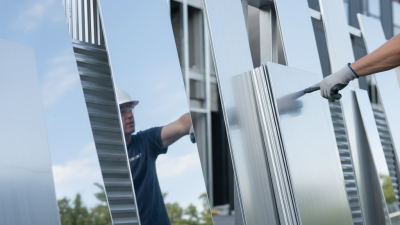
Aluminum plate is becoming a preferred choice for construction projects. Its lightweight nature makes it easy to handle. Workers can transport and install aluminum plates without heavy lifting equipment. This aspect saves time and reduces labor costs.
One of the main advantages of aluminum plate is its resistance to corrosion. Unlike other metals, it does not rust easily. This durability makes it suitable for outdoor applications. Whether it’s a rooftop or a facade, aluminum stands strong against harsh weather. However, over time, even aluminum can show signs of wear. Regular maintenance is essential to preserve its appearance and strength.
Another significant point is its design flexibility. Aluminum plates can be shaped and cut to various specifications. This versatility allows architects to experiment with modern designs. Yet, designers must be cautious. Miscalculating the thickness or properties can lead to structural issues. Proper consultation and planning can enhance the effectiveness of aluminum in any project.
Versatility of Aluminum Plate: Applications in Various Industries
Aluminum plates stand out due to their adaptability across various sectors. From aerospace to construction, their applications are extensive. In the automotive industry, aluminum's lightweight nature reduces fuel consumption. This property helps improve efficiency in electric cars. Event organizers also prefer aluminum plates for temporary structures because they are easy to transport and assemble.
In the food industry, aluminum plates are often used for packaging. They are lightweight yet sturdy, which allows safe transport. Additionally, aluminum is corrosion-resistant, making it ideal for outdoor uses. Despite these advantages, some caution is needed. The welding of aluminum requires specific techniques that might not be familiar to all manufacturers. It can lead to weak joints if done incorrectly.
Medical equipment also benefits from aluminum plates. They offer a clean surface that is easy to sanitize. However, there can be challenges in ensuring durability under high-stress conditions. Each application requires careful consideration. Ultimately, the versatility of aluminum plates opens many doors, yet it demands expertise to navigate potential pitfalls effectively.
Versatility of Aluminum Plate: Applications in Various Industries
Cost-Effectiveness: How Aluminum Plate Saves Money Over Time
Aluminum plates have become increasingly popular in various industries, thanks to their cost-effectiveness. A study by the Aluminum Association shows that aluminum components can reduce overall costs by up to 30% compared to traditional materials. This is primarily due to their lightweight nature and durability. Aluminum plates require less energy for transportation and installation, translating into lower labor and fuel costs.
One often overlooked aspect of aluminum plates is their longevity. They are resistant to corrosion, which means they endure harsh environments. A report from the International Alloy Development Association highlights that aluminum can last twice as long as steel in many applications. This longevity reduces replacement frequency, providing further savings over time.
Tip: Always consider lifecycle costs rather than just initial investment. Deep insight into long-term benefits can lead to smarter decisions. Additionally, check for local suppliers who may offer competitive pricing without sacrificing quality. Balancing upfront costs with future savings can optimize your investment.
Durability and Sustainability of Aluminum Plate Materials
Aluminum plates offer exceptional durability and sustainability, making them a top choice for various projects. Their lightweight nature combined with impressive strength results in materials that can withstand harsh conditions. For instance, aluminum does not rust, enhancing its longevity. It can endure extreme temperatures and weather variations without compromising its structural integrity.
Moreover, aluminum is a highly recyclable material. About 75% of all aluminum ever produced is still in use today. When recycled, it retains its properties without degrading. This quality not only saves energy but reduces waste significantly. The production process requires less energy compared to other metals. However, some environmental concerns remain about the mining process.
Selecting aluminum plates can lead to long-lasting, eco-friendly solutions. Yet, it’s essential to consider the project’s specifics. Not every situation might favor aluminum. Reflecting on its applications helps ensure the best choice is made. Ultimately, balanced decisions yield both durability and sustainability in any project.
Comparing Aluminum Plate with Other Metals: A Practical Guide
When comparing aluminum plate to other metals, several key factors stand out. Aluminum is lightweight yet strong, making it ideal for a variety of applications. This unique combination allows for easier handling and lower shipping costs than heavier metals like steel. Furthermore, aluminum is resistant to corrosion. This property helps extend the lifespan of projects exposed to harsh environments.
However, aluminum does have some drawbacks. It can be more expensive than conventional steel, especially in large quantities. Moreover, while it is strong, aluminum may not perform as well under extreme temperatures or heavy loads. This means careful consideration is needed depending on the specific requirements of your project.
Despite these challenges, many find aluminum a worthwhile choice due to its versatility and reliability. For projects that emphasize weight reduction and durability, aluminum plates often prove to be an excellent option. Weighing the pros and cons will guide you toward a more informed decision. Always remember that selecting the right metal can greatly impact the project's success.
Why Choose Aluminum Plate for Your Next Project? - Comparing Aluminum Plate with Other Metals: A Practical Guide
| Material |
Density (g/cm³) |
Tensile Strength (MPa) |
Corrosion Resistance |
Cost (USD/kg) |
| Aluminum Plate |
2.7 |
70-700 |
Excellent |
2.50 |
| Steel |
7.85 |
400-600 |
Fair |
1.00 |
| Copper |
8.96 |
210-410 |
Good |
6.00 |
| Titanium |
4.51 |
240-600 |
Excellent |
15.00 |