Top 10 Uses of Aluminum Plate in Various Industries?
Aluminum Plate is a versatile material with numerous applications across various industries. Its unique properties make it an ideal choice for manufacturing and construction. Lightweight yet strong, aluminum plates can withstand harsh conditions. They are popular in aerospace, automotive, and architectural applications.
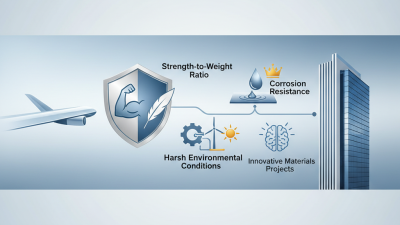
In aviation, aluminum plate offers excellent strength-to-weight ratios, ensuring safety and efficiency. The automotive industry utilizes this metal to improve fuel economy and reduce emissions. Architects often use aluminum plate for innovative designs due to its malleability and aesthetic appeal.
However, not all aluminum plates are created equal. Different grades and thicknesses can affect performance. Companies must choose wisely to meet industry-specific requirements. Despite its advantages, challenges exist in welding and corrosion resistance. Understanding the proper uses of aluminum plates is essential for maximizing their benefits in real-world applications.

Key Properties of Aluminum Plate that Enhance Its Industrial Use
Aluminum plates are widely appreciated across various industries for their unique properties. Their lightweight yet durable structure makes them ideal for transportation applications. The aerospace industry, for example, often relies on aluminum plates due to their high strength-to-weight ratio. According to the Aluminum Association, reducing aircraft weight by 1% can lead to a 0.75% decrease in fuel consumption. This substantial savings underscores the importance of aluminum in flight efficiency.
Corrosion resistance is another key trait that enhances the use of aluminum plates in construction and marine applications. The protective oxide layer forms naturally, providing longevity and reducing maintenance costs. Research by the International Aluminum Institute indicates that untreated aluminum can last over 30 years in coastal environments. Yet, some users face issues with surface scratches, prompting a need for improved protective coatings. Additionally, the material's excellent mach inability allows for intricate designs, but precision engineers often face challenges in maximizing yield rates during production.
Thermal and electrical conductivity are crucial in the electronics industry, where aluminum plates are used in heat sinks and circuits. They can dissipate heat efficiently, aiding in device longevity. However, the conductivity can lead to complications in certain configurations. Engineers must carefully assess thermal dynamics to avoid overheating. Overall, while aluminum plates offer numerous advantages, the industry continues to seek improvements in production and application methodologies.
Top 10 Uses of Aluminum Plate in Various Industries
This chart illustrates the top 10 applications of aluminum plates across various industries, showcasing their significance and percentage of usage. Aluminum plates are valued for their lightweight nature, high strength, and resistance to corrosion, making them essential in multiple sectors.
Common Industries Utilizing Aluminum Plates and Their Specific Applications
Aluminum plates are essential across various industries due to their lightweight and corrosion-resistant properties. The aerospace sector has long relied on aluminum for aircraft components. According to the Aluminum Association, about 75% of an aircraft's structure can be made from aluminum. This material contributes to fuel efficiency and overall performance.
In the automotive industry, aluminum plates are gaining ground. They are used in car frames and body panels. A recent report from Automotive News highlights that aluminum usage in vehicles is expected to reach 6.2 million tons by 2025. This shift is driven by manufacturers' goals to reduce weight and emissions. However, challenges remain in balancing cost and production efficiency.
Construction is another major industry utilizing aluminum plates. These plates are often used in building facades and structural elements. An industry study suggests that the market for aluminum in construction will grow by over 5% annually through 2028. Still, the recycling rate for aluminum in construction can be suboptimal. Many projects overlook the potential for reusing aluminum, missing out on sustainability benefits.
Innovative Uses of Aluminum Plates in Construction and Architecture
In construction and architecture, aluminum plates have emerged as a versatile material. They are lightweight yet strong, making them ideal for various applications. Architects often choose aluminum for facades. The sleek, modern look of aluminum enhances the aesthetic appeal of buildings. It can be crafted into intricate designs, contributing to innovative architectural styles.
Moreover, aluminum plates can withstand harsh weather conditions. They resist corrosion, which is crucial for structural integrity. Using aluminum in roofing and cladding protects against environmental stressors. The material's thermal efficiency adds another layer of functionality. It helps regulate building temperatures, potentially reducing energy costs.
However, there are challenges with aluminum's use. The fabrication process can be complex. Ensuring precision in cutting and shaping is essential. Mistakes can lead to wasted materials and increased costs. Additionally, while aluminum is recyclable, not all facilities handle it properly. Education on recycling practices is necessary to optimize sustainability. Therefore, while aluminum plates offer great benefits, careful consideration in their application remains crucial.
Role of Aluminum Plates in Aerospace and Automotive Manufacturing
Aluminum plates play a crucial role in aerospace and automotive manufacturing. They are lightweight yet strong, making them ideal for various applications.
In aerospace, aluminum plates are used in aircraft structures, providing strength without adding much weight. This balance is vital for fuel efficiency and performance.
Automakers also deploy aluminum plates for vehicle bodies and structural components. These plates enhance safety and improve fuel economy. Their resistance to corrosion adds to the longevity of vehicles, making them more reliable. Yet, the challenge remains in ensuring the plates maintain structural integrity during high-stress situations.
Manufacturers must rigorously test and refine their processes to avoid potential failures.
Tip: Ensure quality control during production. Even minor defects can lead to significant issues later on. Regular testing and inspections can help identify weaknesses.
Another critical factor is the method of joining aluminum plates. Different welding techniques can affect overall performance. Not all methods yield the same results, which complicates the manufacturing process. Innovating in this area could drive further advancements in vehicle design and functionality.
Tip: Stay updated with industry standards. Adapting to new technologies can enhance the efficiency of aluminum applications. Strive for continuous improvement to remain competitive.
Aluminum Plates in Consumer Electronics: Applications and Benefits
Aluminum plates are extensively used in consumer electronics, driving innovation and design. Their lightweight and strong properties make them ideal for various applications. For instance, manufacturers utilize aluminum plates for smartphone casings and laptop chassis. This helps in reducing overall weight while maintaining durability.
One significant benefit is thermal conductivity. Aluminum efficiently dissipates heat, enhancing device performance and longevity. Overheating can lead to hardware failures, making aluminum a favorable choice. Also, its corrosion resistance helps protect devices from environmental factors.
Tips: When selecting aluminum for electronics, consider thickness and finish. Thicker plates offer more strength, but may increase weight. A polished finish can improve aesthetics but may be costlier. Always research to find the right balance between cost and functionality.
The design flexibility of aluminum allows for intricate shapes and forms. This means devices can be sleeker and more appealing. However, achieving precision requires expertise. Manufacturers must ensure that tolerances are met to maintain quality. Striking a balance between design and functionality is crucial, challenging for many in the industry.