What Are the Key Benefits of Using Metal Sheets?
Metal sheets are essential in various industries, offering numerous benefits that enhance functionality and efficiency. They are durable and versatile, making them suitable for applications ranging from construction to manufacturing. Utilizing metal sheets can significantly improve the quality of products and structures.
One key advantage of metal sheets is their strength. They can withstand significant pressure and force. This durability reduces maintenance costs over time, providing long-term savings. In addition, their lightweight nature allows for easier handling and installation. Many businesses appreciate these features, as they lead to increased productivity.
Moreover, metal sheets can be easily customized. They come in different thicknesses, sizes, and finishes. This versatility enables designers and engineers to create innovative solutions to meet specific needs. However, choosing the right type of metal sheet can be challenging. Not all options may suit every project, leading to potential overruns in time and budget. It's essential to evaluate the requirements carefully before making a decision.
Key Characteristics of Metal Sheets for Industrial Use
Metal sheets are crucial in various industries due to their unique characteristics. They offer excellent strength-to-weight ratios, making them ideal for applications where durability is essential without excessive weight. According to a recent industry report, around 80% of manufacturers prefer metal sheets for structural components because they outperform other materials in tensile strength. This property allows engineers to design safer and more efficient products.
In addition to strength, metal sheets excel in versatility. They can be easily cut, shaped, and formed to meet specific design requirements. Data indicates that nearly 70% of the metal processing industry values this adaptability. However, it's vital to assess the method of processing. Some manufacturers may overlook quality control during cutting, leading to increased waste. This not only raises costs but can compromise the entire project's integrity.
Corrosion resistance is another significant characteristic of metal sheets. Certain alloys can withstand harsh environments, making them ideal for outdoor or industrial settings. Yet, not all metal sheets provide the same level of protection. A comprehensive study found that about 60% of engineers are unaware of the specific corrosion ratings required for their applications. This knowledge gap can lead to premature failures, reflecting the critical need for informed decision-making when selecting materials.
Key Benefits of Using Metal Sheets
This bar chart illustrates the key benefits of using metal sheets, highlighting their ratings on a scale from 1 to 10. The benefits include durability, corrosion resistance, versatility, cost-effectiveness, and easy maintenance, which are all essential for industrial applications.
Versatile Applications of Metal Sheets in Various Industries
Metal sheets are highly versatile and widely used across various industries. Their applications range from construction to automotive manufacturing, showcasing their adaptability. In construction, metal sheets provide structural support and durability. They can be molded into different shapes, making them suitable for roofing, wall cladding, and insulation. These sheets also resist weathering, which is vital for outdoor structures.
In the automotive industry, metal sheets play a crucial role. They are used in vehicle bodies, ensuring safety and aerodynamics. The lightweight nature of metal sheets contributes to fuel efficiency. Moreover, the ability to recycle metal makes it an environmentally friendly choice. However, not all metal sheets offer the same properties. Understanding the specific needs of your project is essential.
Manufacturing techniques also impact the performance of metal sheets. For instance, some processes may weaken certain areas, leading to potential failures. It’s crucial to assess the quality of workmanship to avoid issues. Exploring the right type of metal sheet for distinct applications requires care and expertise. Balancing cost with functionality is often a challenge, but it can lead to innovative solutions.
Cost-Effectiveness of Metal Sheets in Manufacturing Processes
Metal sheets offer numerous advantages in manufacturing processes, particularly in cost-effectiveness. Their versatility allows them to be used in various industries, from automotive to construction. Metal sheets can be cut, shaped, and welded, making them a practical choice for diverse applications. Additionally, their durability often results in lower maintenance costs over time.
To maximize cost savings, consider these tips. Evaluate the thickness and alloy type that suits your project best. Thinner sheets may cut costs initially but can lead to higher replacement rates. Always analyze the lifecycle of your materials. Choose sheets that provide not just up-front savings but also longevity and performance.
Investing in quality metal sheets can significantly reduce waste. Efficient cutting techniques minimize leftover material, leading to fewer resources spent. It's important to reflect on your current processes and identify areas for improvement. Continuous evaluation fosters a culture of efficiency and cost management that can benefit any manufacturing operation.
What Are the Key Benefits of Using Metal Sheets? - Cost-Effectiveness of Metal Sheets in Manufacturing Processes
| Benefit |
Description |
Cost-Effectiveness Rating (1-5) |
Typical Applications |
| Durability |
Metal sheets are resistant to wear, rust, and corrosion, ensuring longevity. |
5 |
Construction, Automotive Parts |
| Cost Efficiency |
Lower initial costs and potential for reduced maintenance expenditures. |
4 |
Industrial Equipment, HVAC |
| Versatility |
Can be molded into various shapes and designs, suitable for multiple applications. |
5 |
Furniture, Decorative Items |
| Recyclability |
Metal sheets can be recycled, contributing to sustainability efforts. |
4 |
Building Structures, Packaging |
| Lightweight |
Metal sheets offer high strength-to-weight ratios, beneficial for transport and usage. |
3 |
Aerospace Components, Automotive Design |
Durability and Strength of Metal Sheets Compared to Other Materials
Metal sheets offer remarkable durability and strength, making them a preferred choice in various industries. According to a recent report by the Global Metal Sheet Market, these materials can withstand harsh environmental conditions better than many alternatives. Their ability to resist corrosion and deformation contributes to their long lifespan, reducing replacement costs.
In construction, metal sheets serve as a reliable roofing material. They endure high winds and heavy snow loads. Studies show that metal roofs can last 40 to 70 years. In contrast, asphalt shingles often need replacement after 15 to 20 years. This significant difference highlights metal’s superior durability.
Additionally, metal sheets boast high tensile strength. They resist cracking and bending under stress. For instance, aluminum can support up to 70,000 psi. This characteristic makes metal an excellent choice for structural applications. However, the initial cost may be higher than traditional materials, prompting some to hesitate. Ultimately, the long-term benefits often outweigh these initial expenses.
Sustainability Aspects of Using Metal Sheets in Modern Construction
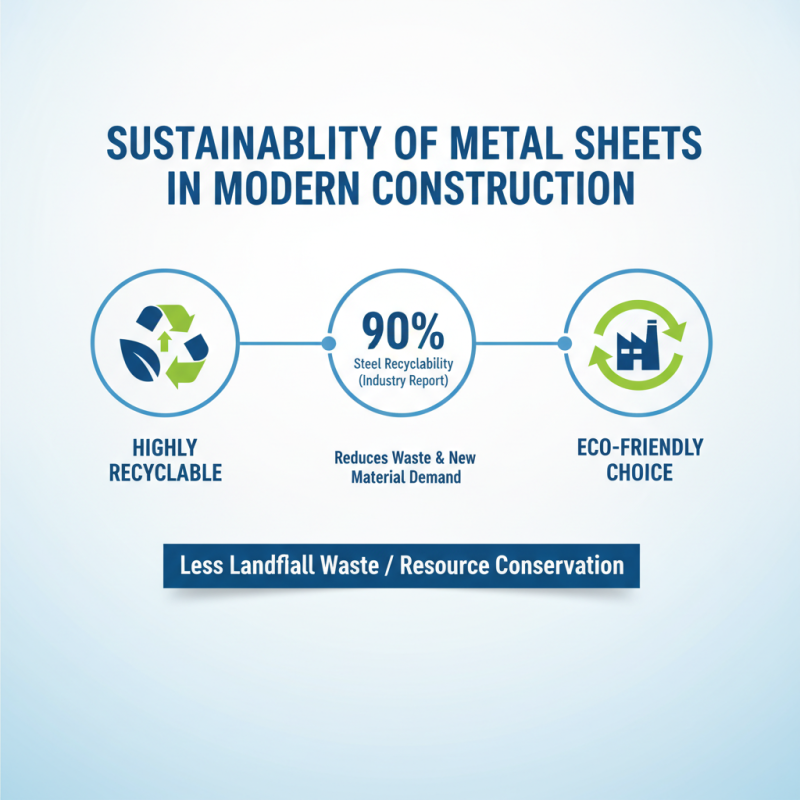
In modern construction, using metal sheets brings notable sustainability benefits. Metal is highly recyclable, making it an eco-friendly choice. According to industry reports, up to 90% of steel can be recycled without losing quality. This capability significantly reduces waste in landfills and the demand for new raw materials.
Moreover, metal sheets contribute to energy efficiency. Their reflective surfaces can minimize heat absorption, leading to lower energy consumption for cooling. A study by the U.S. Department of Energy shows that reflective roofing can reduce building cooling costs by up to 20%. However, the production process of metal sheets also involves energy-intensive processes that can have environmental impacts. Striking a balance in production methods is key to maximizing sustainability.
Furthermore, the durability of metal sheets extends their lifespan in buildings. A properly maintained metal roof can last over 50 years, reducing the need for replacements. This longevity presents both opportunities and challenges. While they offer long-term benefits, initial impacts during the manufacturing stage deserve attention. Continuous improvements in production techniques are essential to enhance sustainability in construction practices.