Top Quality Metal Sheets for Global Buyers in 2026?
In the ever-evolving world of construction and manufacturing, metal sheets play a crucial role. Experts predict that by 2026, the demand for high-quality metal sheets will surge globally. Dr. Emily Carter, a leading authority in the metalworking industry, emphasizes this trend. She states, “The future of metal sheets will hinge on innovation and sustainability.”
The metal sheets market is witnessing rapid change. New technologies are enhancing the strength and durability of these materials. Buyers are seeking not only quality but also eco-friendly options. There is a palpable shift towards sourcing sheets that minimize environmental impact. This focus raises questions about production methods and material sourcing.
While the future looks promising, challenges remain. As demand increases, supply chains may strain. Price fluctuations could also pose significant hurdles. Stakeholders must navigate these complexities with careful planning. The road ahead requires both innovation and adaptability in the ever-competitive metal sheets arena.
Overview of the Global Metal Sheet Market in 2026
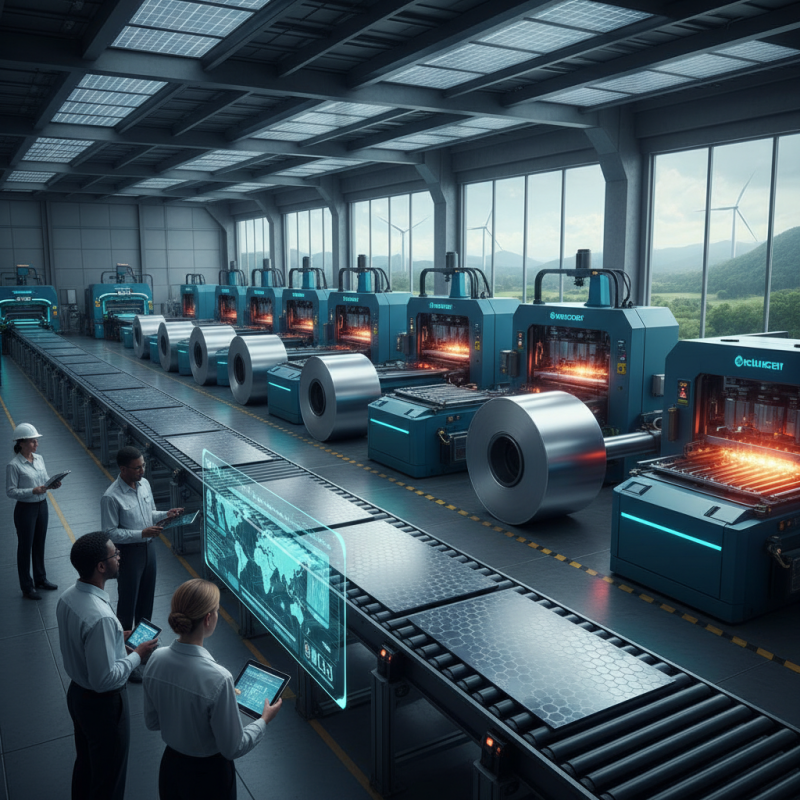
The global metal sheet market in 2026 is poised for significant growth. According to a recent industry report, the market size is expected to reach $150 billion by 2026, driven by rising construction and automotive sectors. Demand for lightweight metal sheets is increasing as manufacturers focus on energy efficiency.
Production technologies are advancing, but challenges remain. Quality control can be inconsistent in various regions. For instance, some manufacturers struggle with maintaining thickness uniformity. This issue can affect the structural integrity of finished products. Buyers should prioritize suppliers with robust quality assurance procedures in place.
Tips:
Investing in high-quality metal sheets can reduce long-term costs. Regular inspections of metal sheets can prevent future failures. Stay informed about market trends and technologies to make educated purchasing decisions.
Overview of the Global Metal Sheet Market in 2026
Key Factors Influencing Quality in Metal Sheet Production
In 2026, quality remains the top priority for metal sheet production. Several key factors influence this quality, shaping buyers' decisions globally. The raw materials used are critical; suppliers must ensure high-grade metals for optimal outcomes. Reports indicate that up to 30% of metal defects arise from subpar raw materials. Attention to detail in sourcing is vital.
Manufacturing processes also play a significant role. Techniques like cold rolling and hot rolling can impact the final product's strength and flexibility. A 2022 industry study showed that over 60% of production failures were linked to outdated machinery. Investing in modern technology can reduce defects and improve quality consistency. Yet, many manufacturers still rely on old equipment, leading to inefficiencies.
Quality control is another essential element. Rigorous testing ensures that sheets meet specified standards. Studies highlight that 20% of delivered products fail initial inspections. This inefficiency can cost manufacturers significantly in lost time and resources. Improving quality management systems is crucial to addressing these challenges. Continuing to prioritize these factors can lead to better products and greater international competitiveness.
Top Metal Sheet Manufacturers and Their Offerings in 2026
In 2026, the landscape of the metal sheet manufacturing industry is set to evolve significantly. Manufacturers focus on creating high-quality sheets tailored for varied applications, such as automotive, aerospace, and construction. They utilize advanced techniques, including laser cutting and precision rolling, to enhance durability and performance. Buyers can expect innovative solutions that meet stringent industry standards.
Sustainability remains a critical focus for metal sheet producers. Many are investing in eco-friendly materials and recycling processes. This shift could make a difference in reducing the carbon footprint of metal sheet production. However, some manufacturers still grapple with sourcing sustainable raw materials. The challenge lies in balancing cost with environmental responsibility, leading to a need for continuous improvement.
Innovation is not without its challenges. While some companies excel in developing new technologies, others struggle to keep pace. A few manufacturers face difficulties in meeting global demand, which can lead to delays. Buyers should remain vigilant, evaluating suppliers based on reliability and quality. The quest for top-notch metal sheets continues, driven by evolving industry needs and consumer expectations.
Sustainability Trends and Innovations in Metal Sheet Industry
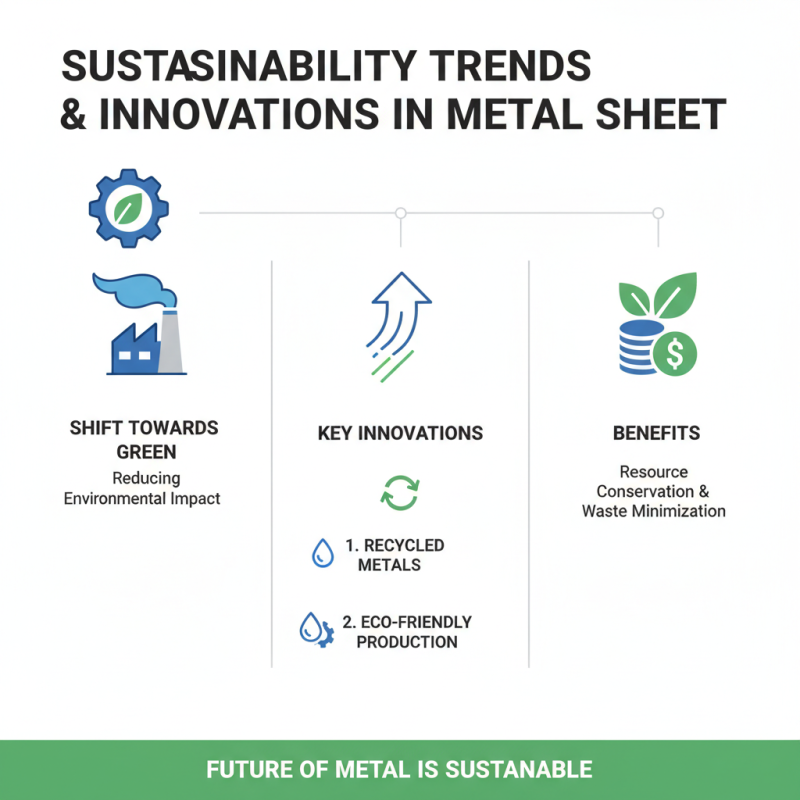
The metal sheet industry is experiencing a significant shift toward sustainability. Innovations are emerging daily. From production methods to materials, the focus is now on reducing environmental impact. More companies are adopting recycled metals. This practice not only conserves resources but also minimizes waste.
Manufacturers are exploring green technologies. New techniques are improving efficiency in metal sheet production. These advancements can lower carbon footprints dramatically. However, not all processes are equally effective. Some methods still rely on traditional energy sources, raising questions about their sustainability. Continuous improvement is essential as the industry navigates this transition.
Consumer demands are changing as well. Buyers are now prioritizing sustainability in their purchasing decisions. Eco-friendly certifications are becoming important. Yet, businesses must balance sustainability with cost. Finding that perfect equilibrium remains a challenge. As the industry evolves, collaboration will be key to addressing these concerns and improving practices.
Future Prospects and Challenges for Metal Sheet Suppliers
The metal sheet industry faces a mix of opportunities and hurdles in 2026. Rapid advancements in technology, such as automation and digitalization, are transforming production processes. These developments promise increased efficiency and reduced costs. However, the need for skilled workers is rising. Finding qualified labor could pose a challenge for metal sheet suppliers.
Environmental concerns are also at the forefront. Sustainable practices are becoming essential. Companies must explore eco-friendly materials and manufacturing methods. This shift may require significant investment and innovation. Suppliers must adapt to changing regulations and consumer preferences.
Another pressure point is global supply chain disruptions. The recent pandemic highlighted vulnerabilities in sourcing and logistics. Suppliers must develop strategies to manage risks effectively. Companies that navigate these complexities may gain a competitive advantage. Balancing cost, quality, and sustainability will define the landscape for metal sheets in the coming years.