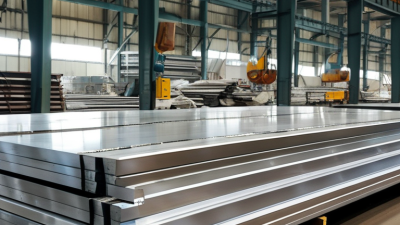
Best Stainless Steel Plate Manufacturers in China?
Choosing the right Stainless Steel Plate manufacturer in China takes more than comparing prices. Buyers need to understand what each supplier can produce, inspect, and deliver consistently. A clear specification helps: grade, thickness, width, surface finish, edge condition, and required tolerances. Even a small mismatch can cause problems during cutting or fabrication.
This guide introduces manufacturers and explains how to compare them using practical criteria. Look for evidence of production capability, such as mill or processing equipment, documented quality checks, and traceable material records. Ask whether the company supplies test certificates and samples, and confirm that the listed specifications match your application. Details matter. A brushed finish can look different under workshop lighting, while plate thickness may affect both weight and machining plans.
Price is only one part of the decision. Check minimum order quantities, packaging, lead times, export experience, and how the supplier handles questions after an order is placed. Request current documents and verify important claims directly; a polished website alone is not proof. No supplier is perfect. A promising company may still have limits in stock, customization, or communication, so compare those limits with your project needs. This overview offers a starting point, not a substitute for checking samples and specifications. Reliable sourcing takes careful questions—and sometimes a second look.
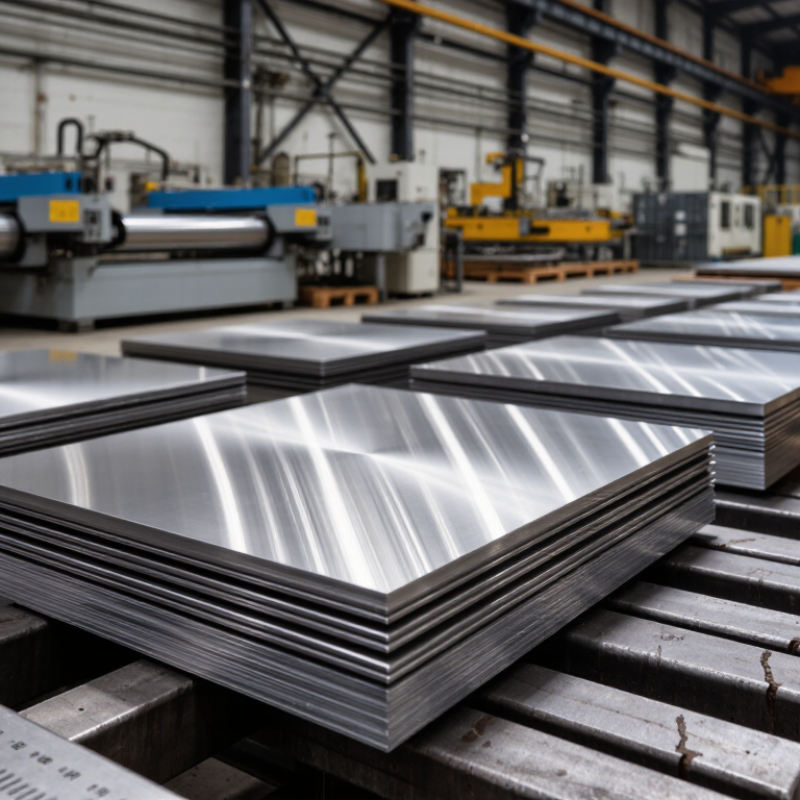
Understanding Stainless Steel Plate Grades and Applications
Stainless steel plate selection starts with service conditions, not a grade name. Temperature, chloride exposure, forming, welding, and cleaning routines all matter. Grade 304, an austenitic alloy containing roughly 18% chromium and 8% nickel, suits food equipment, tanks, and indoor architectural panels. Grade 316 adds molybdenum, improving resistance to chloride pitting around coastal equipment and chemical-processing vessels. Neither grade is immune to corrosion. Details matter.
Ferritic 430 is magnetic and often used for appliance panels or decorative interiors. It generally offers less corrosion resistance than 304 in demanding environments. Duplex 2205 combines higher strength with good chloride resistance, making it useful for pressure equipment and marine structures. Yet welding procedures and forming limits need careful review. No grade is a shortcut.
The International Stainless Steel Forum’s Stainless Steel in Figures 2024 reports 58.4 million tonnes of global crude stainless steel output in 2023. That scale spans many markets, but it does not make grades interchangeable. Ask suppliers for mill test certificates, heat numbers, thickness tolerances, and test evidence relevant to the intended service. Small differences in plate finish or chemistry can affect fabrication. Grade charts can make this seem tidier than it is.
Key Criteria for Evaluating Chinese Plate Manufacturers
Best Stainless Steel Plate Manufacturers in China?
Key Criteria for Evaluating Chinese Plate Manufacturers
A reliable supplier should show clear control over plate grades, thickness, width, and production tolerances. Ask how raw materials are identified and tracked through cutting and packing. Request recent inspection records and material test certificates for the specific grade you plan to buy. Details matter. A capable factory should also explain its rolling, leveling, and finishing processes in practical terms, not just list equipment.
Check whether the supplier can provide samples, dimensional reports, and surface inspections before shipment. For critical applications, arrange an independent inspection against your purchase specifications. Confirm packaging too: plates need secure protection against moisture, edge damage, and shifting during transport. Paperwork can look complete while measurements vary between batches, so verify rather than assume. Communication is another useful signal. Clear answers about lead times, tolerances, and rejected material often reveal how orders are managed.
Tips: Send a written specification with grade, dimensions, finish, and tolerances. Ask for a sample report before production. Keep one detail in mind: a low quote is not useful if the plate arrives out of specification. I would compare documented quality and delivery consistency, though no checklist removes every risk.
Leading Stainless Steel Plate Manufacturers in China
Leading Stainless Steel Plate Manufacturers in China
China’s stainless steel plate manufacturers serve construction, food processing, chemical equipment, and energy projects. Their capabilities vary, so buyers should match production facilities to the required grade, thickness, width, and finish. A supplier’s catalog alone is not enough.
Ask how the manufacturer controls thickness tolerance, surface quality, and flatness. Request recent inspection records and material test certificates that identify the grade and heat number. For a large order, confirm whether the supplier can provide consistent batches and protective packaging. Scratches can appear during handling, even when the plate leaves the mill in good condition. Details matter.
Factory audits or independent inspections can help verify equipment and quality procedures. Check how samples compare with production material, and clarify requirements before approving drawings. Delivery schedules also deserve scrutiny; capacity can change when several orders compete for the same line. A polished sample may look convincing, but it cannot prove long-term consistency. I would not assume every manufacturer is equally suited to every application. One overlooked tolerance can complicate fabrication later.
Comparing Product Ranges, Certifications, and Production Capacity
Comparing stainless steel plate manufacturers in China takes more than checking quoted prices. Start with the product range: available grades, thicknesses, widths, surface finishes, and cut-to-size options. A supplier listing 304 and 316L, for example, should clarify plate dimensions and tolerances, not just grade names. Small details matter. Ask whether custom cutting leaves clean edges and whether polished plates can be shipped with protective film.
Certifications deserve careful checking. Request current certificates, their scope, the issuing body, and batch documents such as mill test reports. A certificate alone cannot show that a specific shipment matches its stated chemistry or mechanical properties. Production capacity also means more than monthly tonnage. Ask about rolling, annealing, leveling, and inspection steps relevant to your order. Confirm lead times against order size and stock status, then ask how delays are communicated.
A factory tour or live video may reveal storage practices, plate identification, and how finished bundles are protected. Still, visuals are only a snapshot. Paperwork can look tidy; production is less predictable. Where possible, compare sample quality and shipment records over time. Buyers can fixate on the largest capacity figure, though dependable delivery may matter more for a real project.
How to Select a Manufacturer for Your Project Needs
Choosing a stainless steel plate manufacturer starts with the project specification, not a low quotation. Define the grade, thickness range, plate dimensions, surface finish, and required tolerances. Ask for sample mill test certificates and confirm that heat numbers remain traceable from the plate to its paperwork. Details matter.
China’s production scale offers buyers many potential suppliers, but scale alone does not prove a mill can meet your requirements. World Steel Association data recorded China’s crude steel output at 1,019.1 million tonnes in 2023. Its April 2024 Short Range Outlook forecast global steel demand at 1,793 million tonnes for 2024. These figures describe the market, not the quality of any individual plate. Request evidence of relevant production capacity, inspection procedures, and experience with comparable orders.
For a project involving welded tanks or machined components, check chemical and mechanical test results against the specified grade. Clarify how the supplier handles dimensional checks, surface defects, packaging, and delivery delays. If the order is critical, arrange an independent inspection before shipment. Test the evidence. I would also ask how rejected plates are replaced; this step is easy to overlook, and written answers are more useful than reassuring calls.