Leave Your Message

Why Choose Steel Plate for Global Procurement?

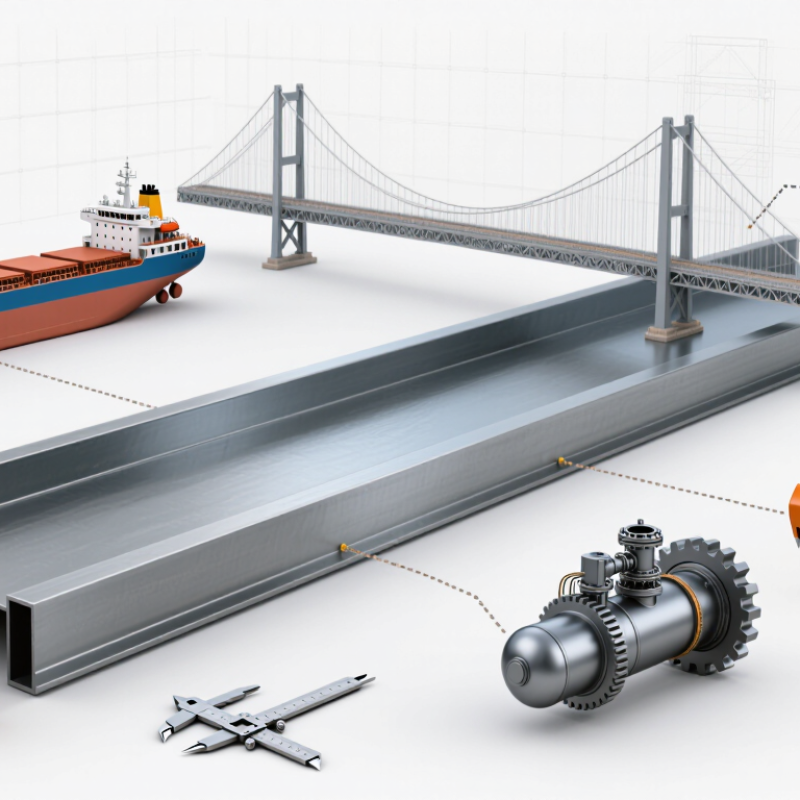
Steel Plate remains a practical choice for global procurement because it combines strength, versatility, and measurable quality. It supports shipbuilding, bridges, pressure equipment, storage tanks, and heavy machinery. Buyers can select grades, thicknesses, widths, and surface conditions for specific applications. That flexibility helps control design weight and production costs.

Yet material selection should never rely on price alone. An experienced procurement team checks chemical composition, mechanical properties, dimensional tolerance, and surface condition. Mill test certificates provide essential evidence. Heat numbers should match the plates and shipping documents. Clear traceability reduces confusion during inspection, fabrication, and future maintenance.

Logistics also matter. A reliable supplier confirms packing methods, loading plans, and delivery schedules before production begins. Protective wrapping can limit moisture damage during ocean transport. Some projects need ultrasonic testing or third-party inspection. These requirements should appear in the purchase specification, not in a late email.

Small details matter.

Steel Plate must also match local fabrication practices and project standards. A technically suitable grade may still create problems if welding procedures differ. Corrosion exposure, temperature changes, and load cycles deserve careful review. No procurement plan is flawless. Forecasts can change, and documentation can contain gaps. Buyers should allow time for verification and corrective action.

This article examines why Steel Plate continues to support dependable international sourcing. It focuses on performance, documentation, supplier evaluation, and practical risk control. The goal is not to promise effortless purchasing. It is to show how disciplined decisions create stronger results across borders.
Why Choose Steel Plate for Global Procurement?

Steel Plate: Definition, Grades, and Core Properties

Steel plate is a flat, hot-rolled steel product used in bridges, pressure vessels, machinery, ships, and structural frames. Its thickness usually exceeds sheet-metal ranges, although definitions vary by standard and application. The World Steel Association’s World Steel in Figures 2024 reports about 1.89 billion tonnes of crude steel production in 2023. That scale supports broad global availability, but procurement still requires careful grade and mill documentation.

Grades describe performance, not simply appearance. ASTM A36 is commonly selected for general structural work, while ASTM A572 Grade 50 offers higher yield strength. European projects may specify S235 or S355 under EN 10025. Pressure and pipeline applications require different standards, testing, and traceability. A grade number alone is not enough. Buyers should verify chemical limits, yield strength, tensile strength, impact toughness, and weldability through certified test reports.

Core properties include strength, hardness, ductility, toughness, corrosion resistance, and dimensional tolerance. For example, a higher-strength plate can reduce weight, but it may demand stricter welding control. The World Steel Association also identifies steel as a highly recyclable material, supporting circular procurement strategies. In practice, thickness tolerances and surface condition can affect fabrication costs more than expected. I would not treat a low purchase price as a reliable saving. Weather exposure, cutting losses, inspection requirements, and transport weight deserve equal attention.


How Steel Plate Meets Global Procurement Requirements

Steel plate supports global procurement because it combines measurable performance with broad manufacturing availability. The World Steel Association reported global crude steel production of about 1.89 billion tonnes in 2023. This scale helps buyers compare mills, negotiate volumes, and secure replacement sources. However, production capacity does not guarantee consistent plate quality. Procurement teams must verify grade, thickness tolerance, impact performance, and heat-treatment records for every order.

Global projects also require reliable documentation and transport planning. The OECD’s 2024 steel market analysis highlights continuing concerns about excess capacity and uneven market conditions. Buyers should therefore assess mill certifications, inspection procedures, and production lead times before comparing prices. The UNCTAD Review of Maritime Transport 2024 states that over 80% of global trade volume moves by sea. Plate orders need suitable packing, corrosion protection, container or bulk-vessel planning, and clear delivery terms. Small gaps in documents can delay a shipment at the destination port.

Tips: Request a material test certificate, third-party inspection, and traceable heat numbers. Confirm whether dimensions match local fabrication equipment. Keep a second qualified source when schedules are critical. A cheaper plate may create higher cutting waste or rework costs. That point is easy to miss. Even experienced teams should review assumptions after each completed shipment.

International Standards, Certifications, and Quality Control

Steel plate procurement becomes more reliable when standards are checked before price comparisons begin. International projects may reference ASTM, EN, JIS, or other recognized specifications. Each standard defines grades, dimensions, chemical limits, and mechanical performance differently. A plate marked “high strength” proves little without its exact grade and test requirements. Procurement teams should match the purchase order with drawings, service temperature, welding method, and loading conditions. This practical review prevents attractive but unsuitable offers.

Quality control should follow the plate from production to dispatch. Mill certificates should identify heat numbers, plate dimensions, chemical analysis, tensile results, yield strength, and impact testing where required. Inspectors can compare these records with stamped markings and sampling plans. Visual checks may reveal laminations, edge cracks, dents, or uneven surfaces. Ultrasonic testing adds confidence for critical applications. It is not a substitute for every test. Independent inspection, calibrated instruments, and traceable reports strengthen procurement decisions.

Certifications also deserve careful reading. ISO-based quality systems indicate controlled processes, but they do not certify every plate automatically. The certificate scope, issuing body, validity, and applicable standard must be verified. Export documents should align with customs, project, and destination-country requirements. We have learned that small data errors can delay an entire shipment. One heat number can be mistyped. That detail matters. A reliable supplier should explain deviations instead of hiding them and provide corrective records when results fall short. No process is perfect, so audits, witness testing, and retained samples remain valuable.

Why Choose Steel Plate for Global Procurement? - International Standards, Certifications, and Quality Control

Procurement Dimension Recognized Standard or Requirement Typical Verification Data Global Procurement Value Quality-Control Evidence
Material specification ASTM A36/A36M for carbon structural steel plate; EN 10025-2 for hot-rolled structural steels such as S235JR and S355JR Steel grade, product form, thickness range, delivery condition, and applicable standard edition Creates a common technical reference for buyers, engineers, inspectors, and customs documentation Purchase specification, approved material list, and certificate review
Chemical composition Limits defined by the selected material standard; commonly controlled elements include carbon, manganese, silicon, phosphorus, sulfur, and alloying elements Heat number, ladle analysis, product analysis where required, and reported mass fractions Supports weldability assessment, grade identification, and consistent performance across different supply sources Mill test certificate and independent laboratory testing when specified
Mechanical properties Yield strength, tensile strength, elongation, and impact energy requirements are specified by the applicable grade and thickness Test temperature, yield strength in MPa, tensile strength in MPa, elongation percentage, and Charpy impact energy in joules where applicable Allows engineering teams to compare products using measurable performance criteria rather than appearance alone Tensile-test report, impact-test report, and traceable test specimen records
Dimensional tolerance EN 10029 for hot-rolled steel plate thickness and shape tolerances; ASTM A6/A6M for general requirements for rolled structural steel products Actual thickness, length, width, flatness, squareness, edge condition, and permitted deviations Reduces cutting allowances, fabrication delays, weight discrepancies, and fit-up problems Calibrated dimensional inspection tools, inspection plan, and final inspection report
Surface quality Surface requirements and permissible imperfections are controlled by the selected product standard and agreed purchasing specification Visible defects, laminations, scale condition, repairs, edge quality, and surface preparation level if specified Improves suitability for welding, coating, machining, and further fabrication Visual inspection, agreed acceptance criteria, and nonconformance records
Internal soundness ASTM A578/A578M provides a standard practice for straight-beam ultrasonic examination of rolled steel plates for special applications Ultrasonic test method, scanning coverage, acceptance level, probe details, and reportable indications Helps identify internal discontinuities before plates enter critical welded or load-bearing structures Ultrasonic test report linked to the heat and plate identification
Weldability control Carbon-equivalent assessment may be required; welding procedure qualification should follow the project welding code, such as ISO 15614-1 or an equivalent approved code Carbon equivalent, plate thickness, preheat requirements, heat input, welding consumables, and qualified procedure range Supports safer fabrication planning and reduces the risk of hydrogen cracking or heat-affected-zone problems Chemical analysis, welding procedure specification, and procedure qualification record
Certification system ISO 9001 defines requirements for a quality management system; certification applies to the organization’s management system, not automatically to every product Certificate scope, validity, issuing certification body, audit status, and applicable production or trading activities Provides evidence of controlled processes, documented responsibilities, corrective action, and continual improvement Current certificate, defined scope, audit records, and supplier qualification documents
Material traceability Traceability requirements are defined in the purchase order, applicable product standard, and project inspection plan Heat number, plate number, bundle number, marking method, certificate number, and transfer records after cutting Maintains identity from production through delivery, fabrication, installation, and future inspection Permanent or durable marking, material register, and chain-of-custody documentation
Inspection documentation EN 10204 defines inspection-document types, including 3.1 and 3.2 documents, when required by contract Certificate type, product identification, test results, authorized signatory, and independent inspection involvement where applicable Creates a consistent documentation package for international projects and regulatory review Original or digitally verifiable certificates matched to the delivered plates
Pre-shipment inspection Inspection and Test Plan based on the purchase order, product standard, and agreed acceptance criteria Quantity, dimensions, markings, surface condition, packaging, certificates, and test reports Detects discrepancies before loading and lowers the cost of international claims or replacement shipments Signed inspection checklist, photographs, sampling records, and release note
Packaging and logistics Packing and marking instructions should reflect plate weight, lifting points, corrosion exposure, transport mode, and destination regulations Bundle weight, lifting arrangement, moisture protection, edge protection, shipping marks, and packing list accuracy Protects plate condition during handling and enables efficient receiving, inventory control, and customs clearance Packing inspection, loading photographs, packing list, commercial invoice, and transport documents

Note: The applicable standard edition, grade, thickness range, testing level, inspection document, and acceptance criteria should always be confirmed in the purchase order and project specification.

Cost, Logistics, and Supply Chain Factors

Why Choose Steel Plate for Global Procurement?

Cost, Logistics, and Supply Chain Factors

Steel plate procurement should begin with landed cost, not the mill quotation alone. The final figure includes plate price, inland transport, ocean freight, insurance, duties, inspection, and storage. The World Steel Association reported global crude steel production of about 1.89 billion tonnes in 2023. This scale supports broad sourcing options, but availability still differs by grade, thickness, and region.

Freight planning can change the result quickly. UNCTAD’s Review of Maritime Transport states that ships carry over 80% of global trade by volume. A delayed vessel can leave heavy plates in a port yard for weeks. Demurrage then erodes the original price advantage. Buyers should compare port distance, sailing frequency, container or breakbulk suitability, and seasonal congestion. Steel plate is dense. Small freight errors become expensive.

Quality controls also protect the supply chain. Purchase documents should specify chemical composition, yield strength, impact testing, dimensions, surface condition, and certification requirements. Independent inspection before shipment can prevent costly rework. However, inspection does not remove every risk. We sometimes trust certificates too much and check the production route too little. The International Organization for Standardization emphasizes traceability and documented quality processes under ISO 9001. Batch numbers, heat numbers, and inspection records make claims easier to verify. A slightly higher unit price may be sensible when it reduces replacement risk, production delays, and uncertain customs clearance.

How to Evaluate Steel Plate Suppliers Worldwide

Why Choose Steel Plate for Global Procurement?

Steel plate remains a practical choice for bridges, pressure vessels, machinery, and heavy structures. World Steel Association reported global crude steel production of about 1.89 billion tonnes in 2023. This scale supports broad availability, but quality still varies between suppliers. A competitive price is not enough.

When evaluating suppliers worldwide, request mill test certificates, heat numbers, chemical composition, tensile strength, and impact-test results. Match these records against the required standard and plate thickness. ISO Survey data shows that ISO 9001 remains widely adopted across manufacturing industries, yet certification alone cannot prove consistent plate quality. Ask for recent audit records and traceability samples. Check whether each plate can be followed from melting to shipment.

Delivery evidence matters too. The OECD Steel Committee continues to monitor global excess capacity and trade pressure in steel markets. These conditions can affect lead times, export procedures, and price stability. Compare production capacity, port access, packaging methods, and claims handling. A supplier should explain how it protects plate from salt air, moisture, and edge damage inside a container. Small details matter. A rusty corner can delay fabrication.

Request independent inspection for large orders. Verify dimensions at several points, not only one location. Review nonconformance rates, replacement terms, and communication during delays. Some procurement teams rely too heavily on certificates. That is a weakness. Documents may be correct, but the delivered plate can still reveal poor storage or uneven cutting. Trial orders, witnessed inspections, and clear acceptance criteria create stronger evidence before global volume purchasing.