Essential Tips for Sourcing Hot Rolled Plate Worldwide?
In the competitive world of metal sourcing, "Hot Rolled Plate" plays a critical role. Industry expert Michael Thompson, a seasoned metallurgical engineer, emphasizes, "Quality in sourcing hot rolled plates is non-negotiable." This highlights the significance of finding reliable suppliers.
Navigating the global market for hot rolled plate can be complex. Different regions offer varying quality standards and pricing. Understanding these nuances is essential for successful procurement. Suppliers may promise high quality, but not all deliver. It's crucial to investigate their reputations and customer feedback.
Moreover, the sourcing process is often riddled with challenges. Supply chain disruptions can lead to delays and unexpected costs. Therefore, building strong relationships with trustworthy suppliers is vital. This proactive approach can mitigate risks and ensure a steady supply of hot rolled plates. Remember, informed decisions are your best defense in a fluctuating market.
Understanding Hot Rolled Plate: Characteristics and Applications
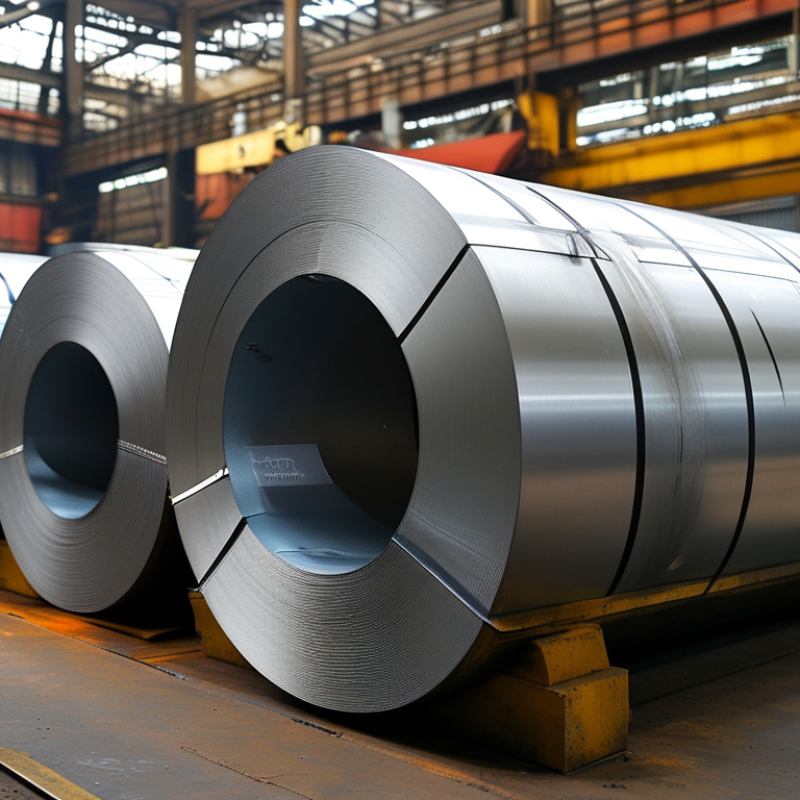
Hot rolled plate is a fundamental material in various industries. It is created by rolling steel at high temperatures, allowing for easier shaping and forming. This process results in a finished product that often has a rough surface. The thickness can range from a few millimeters to several inches, affecting how it is used. Because of its strength, this plate is vital for construction, manufacturing, and automotive applications.
One crucial feature of hot rolled plate is its ductility. This means it can be stretched or deformed without breaking. It's useful for projects requiring complex shapes. Additionally, hot rolled plates undergo less processing than their cold-rolled counterparts, making them cost-effective. However, this lower processing may affect the smoothness of the finish, which should be considered for aesthetic applications.
Sourcing hot rolled plate can be a challenge. Variability in quality and availability can lead to frustrations. When ordering, ensure you have clear specifications. This includes dimensions, weight, and intended use. Discrepancies in communication might lead to unsuitable materials. Taking these factors into account can enhance project outcomes while reflecting the complexity of material sourcing.
Key Markets for Sourcing Hot Rolled Plate Globally
When sourcing hot rolled plate globally, understanding key markets is crucial. China remains a dominant player, producing and supplying a vast quantity of hot rolled steel. However, the focus is not solely on volume. The quality of the products is essential. Traders often face challenges with quality consistency in Chinese imports.
Europe is another important market. Countries like Germany and Italy are known for their strict quality standards. Their hot rolled plates are often more expensive but offer reliability. The European market may be more challenging due to regulations. It requires thorough research to navigate these complexities.
North America also plays a vital role in the hot rolled plate market. The U.S. has several reliable suppliers who focus on sustainability. However, prices can fluctuate based on trade policies. Awareness of tariffs is necessary. In contrast, some emerging markets might offer lower prices, but supply chain issues can arise. Always consider logistics and potential delays when exploring these options.
Evaluating Suppliers: What to Look For in Hot Rolled Plate Providers
When evaluating suppliers for hot rolled plates, it is crucial to assess their production capacity. Reports indicate that leading manufacturers can produce over 500 tons per day, ensuring they meet large-scale demands. Ask for certifications like ISO 9001 to verify their quality management systems. This measure confirms their commitment to quality.
Quality assurance is another key aspect. Reliable suppliers should provide test reports for their products, including tensile strength and chemical composition. The American Society for Testing and Materials (ASTM) sets standards that many reputable suppliers follow. Look for compliance with these standards as a sign of credibility.
Shipping and lead times matter significantly, especially in today’s globalized market. Delays can incur additional costs. A strong supplier will offer transparent logistics information and maintain reasonable delivery timelines. Networking with industry contacts can reveal insights about suppliers’ reputations and reliability.
Lastly, consider their customer service. Suppliers with responsive communication channels can better handle issues. This responsiveness reflects their commitment to customer satisfaction. Observing how they treat inquiries can provide insight into your potential working relationship. These evaluations can help you avoid common pitfalls in sourcing hot rolled plates.
Logistics and Shipping Considerations for International Sourcing
When sourcing hot rolled plate globally, logistics and shipping are crucial factors to consider. Efficient transport facilitates timely delivery and minimizes costs. Customs regulations differ by country, so research is essential. Familiarize yourself with import duties and clearance processes specific to your destination. These can significantly impact your budget.
Be mindful of shipping times. Ocean freight can take weeks. Plan accordingly to meet your project deadlines. Consider using air freight for urgent needs. However, this option can be more expensive. Always weigh the costs against the timeline.
Tip: Partner with reliable shipping companies. They can provide valuable insights into efficient logistics. Ensure they have experience in handling metal products. This expertise can help navigate unexpected challenges.
Tip: Keep communication open with suppliers. Discuss packaging and handling. Properly prepared goods reduce the risk of damage during transit. Addressing these details early on helps prevent issues later. Ultimately, careful planning and solid partnerships are key to successful international sourcing.
Quality Assurance: Ensuring Standards in Hot Rolled Plate Purchases
When sourcing hot rolled plates globally, quality assurance is paramount. It ensures that the products meet specific standards. Begin by requesting certifications from suppliers. Look for materials that comply with international standards. These documents serve as a benchmark for quality. Without them, you risk receiving subpar materials.
Consider the manufacturing processes as well. Hot rolled plates should undergo rigorous testing. This includes checks for thickness, flatness, and surface quality. Engage suppliers who conduct regular audits. Trust but verify is a crucial approach. If a supplier hesitates to share their methods, it raises red flags.
Do not forget to assess samples before bulk orders. A small test order can reveal much about the supplier's consistency. Pay attention to the plating finish and dimensional accuracy. Even minor discrepancies can affect final applications. If you notice issues, address them promptly. This reflection helps maintain high standards for all future acquisitions. Consistency in quality is not just an aim; it’s a necessity in sourcing hot rolled plates.