2026 Top Hot Rolled Steel Coils Insights for Global Buyers?
In the ever-evolving market of Hot Rolled Steel Coils, global buyers must stay informed about the latest trends and insights. Renowned industry expert, Dr. Steven Chen, notes, "Understanding the dynamics of Hot Rolled Steel Coils is crucial for strategic purchasing." His expertise highlights the importance of recognizing market fluctuations and their impact on supply chains.
As we approach 2026, the demand for Hot Rolled Steel Coils is expected to rise. Buyers need to consider both price trends and availability. This year could present challenges that require a deeper understanding of the materials and suppliers involved. The geopolitical landscape and economic conditions are fickle. Buyers must ensure they have reliable sources and remain adaptable to changes in the market.
For those involved in purchasing Hot Rolled Steel Coils, cultivating strong relationships with suppliers is essential. Transparency and communication can prevent disruptions. It's vital to reflect on past experiences and learn from them. Only then can buyers make informed decisions that position them for success in a competitive environment.

Global Market Overview of Hot Rolled Steel Coils in 2026
The global market for hot rolled steel coils in 2026 is poised for significant evolution. Prices may fluctuate due to various economic factors. Buyers should closely monitor trends, as mill outputs can impact availability. Understanding local market demands is vital. Buyers must also consider the influence of geopolitical events on material sourcing.
When sourcing hot rolled steel coils, consider volume requirements and delivery timelines. It's wise to maintain open communication with suppliers. This ensures they understand your specific needs. Buyers should not overlook the potential for delays in shipping. Seasonal demands can affect production schedules.
Tip: Always assess multiple suppliers before committing. This practice allows for better price negotiation. Additionally, keep an eye on emerging markets, as they can offer new opportunities for cost-effective procurement. Remember, staying informed and adaptable is key in today's dynamic market landscape.
Key Factors Driving Demand for Hot Rolled Steel Coils Worldwide
The demand for hot rolled steel coils is increasing globally due to several key factors. Industries such as construction and automotive rely heavily on these materials. The construction sector is booming, driving up the need for durable and versatile steel. Hot rolled steel offers strength and malleability, making it ideal for various structural applications. As urbanization expands, this trend will likely continue.
Another significant factor is the growth of the automotive industry. Automotive manufacturers require hot rolled steel for components like chassis and frames. The rising emphasis on lightweight materials also promotes the use of steel coils. Interestingly, while the demand is increasing, supply chain issues can create bottlenecks. These challenges may lead to fluctuations in availability and prices, which are critical for manufacturers to consider.
Additionally, advancements in steel production technologies are influencing demand. More efficient methods can reduce costs and improve quality. However, this change also poses questions. Are these new methods sustainable? As industries adapt, balancing efficiency with environmental concerns remains a thought-provoking challenge. Moving forward, the hot rolled steel market will need to navigate these complexities.
Global Demand for Hot Rolled Steel Coils (2021-2026)
Regional Analysis: Major Producers and Consumers of Hot Rolled Steel Coils
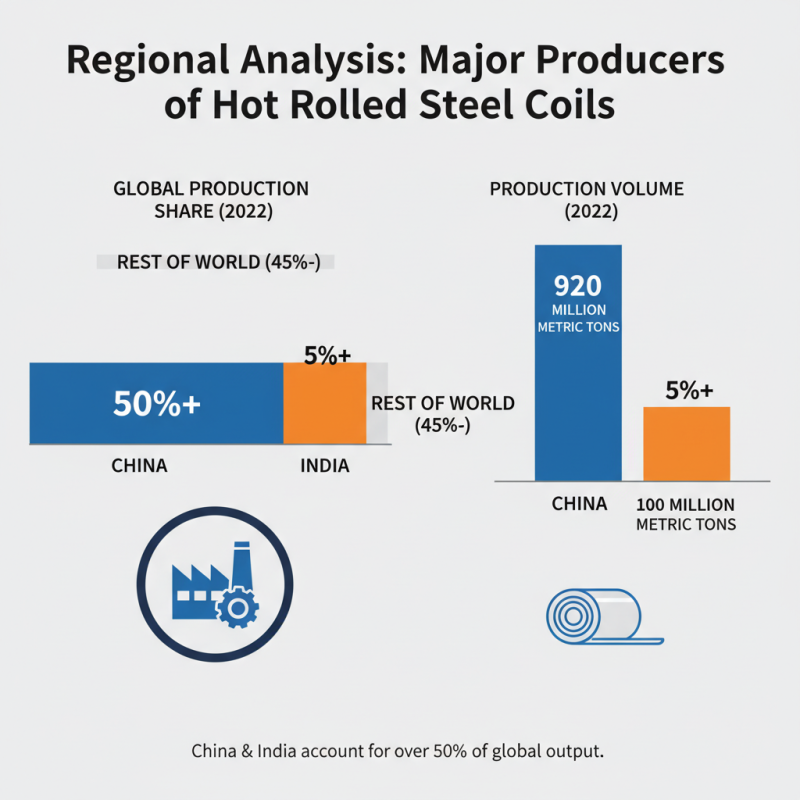
The global market for hot rolled steel coils is shaped significantly by regional dynamics. Major producers such as China and India dominate the landscape, accounting for over 50% of global output. China alone produced approximately 920 million metric tons in 2022, highlighting its critical role. Meanwhile, India contributed around 100 million tons, showcasing its growth potential in this sector.
In contrast, Europe remains a significant consumer, particularly in automotive and construction sectors. The EU's demand for hot rolled steel coils is expected to rise by 3-4% annually. However, the competition is tough. Other regions, like North America, are shifting their focus towards increased domestic production to reduce dependency on imports. This shift is evidenced by investments in new facilities and technologies to boost output.
Despite the robust demand, challenges persist. Price volatility and supply chain disruptions have raised concerns among buyers. Recent reports indicate that fluctuating raw material costs complicate purchasing strategies. Regional policies and trade agreements play pivotal roles, influencing market stability. Buyers must navigate these complexities to make informed purchasing decisions in the evolving landscape of hot rolled steel coils.
Forecasting Price Trends for Hot Rolled Steel Coils Through 2026
As the global economy evolves, hot rolled steel coils continue to play a crucial role across various industries. Industry reports forecast that the price trends for hot rolled steel coils will remain volatile through 2026. Factors like supply chain disruptions and fluctuating demand patterns are significant contributors to these trends. For instance, recent data indicates that the average price of hot rolled steel coils varied by nearly 20% in the past year alone. This volatility highlights the need for buyers to remain vigilant.
In the coming years, analysts expect demand to rise, particularly due to infrastructure projects worldwide. A projected increase of around 5% in manufacturing output is anticipated by 2025, which could influence steel prices. However, uncertainties like geopolitical tensions and environmental regulations may threaten these projections. Some experts argue that producers need more innovative practices to sustain growth and manage costs effectively. The steel industry's challenge extends beyond mere price fluctuations; it is essential to address production efficiency and material sustainability.
Overall, the hot rolled steel coil market will confront a series of hurdles and opportunities. Engaging with trusted market intelligence sources can help buyers make informed decisions. A thorough understanding of market dynamics is necessary for strategic planning in this competitive environment.
2026 Top Hot Rolled Steel Coils Insights for Global Buyers
| Year |
Average Price (USD/ton) |
Global Production Volume (Million Tons) |
Region with Highest Demand |
Key Factors Influencing Prices |
| 2022 |
750 |
150 |
Asia |
Global recovery post-COVID, increased construction activities |
| 2023 |
780 |
155 |
North America |
Supply chain disruptions, rising raw material costs |
| 2024 |
790 |
160 |
Europe |
Increased infrastructure projects, trade regulations |
| 2025 |
820 |
165 |
Middle East |
Cost of energy, climate policies |
| 2026 |
840 |
170 |
Asia |
Material shortages, geopolitical tensions |
Technological Innovations and Their Impact on Hot Rolled Steel Coil Production
Technological innovations are reshaping the production landscape of hot rolled steel coils. Digitalization is a key factor. Factories are implementing smart technologies to enhance efficiency. Automation reduces labor costs but presents challenges in workforce management. Many workers must adapt to new processes, causing short-term disruptions.
Another significant innovation is in materials engineering. Advanced techniques allow for the production of stronger and lighter coils. These improvements enhance product durability, but not all manufacturers can keep up. Smaller producers may struggle with the initial investment needed for advanced technologies. This creates a gap in the market, affecting competition.
Sustainability is also a priority. New methods reduce energy consumption and waste. However, transitioning to greener practices is challenging for some companies. Balancing cost and environmental responsibility requires careful planning. The industry must reflect on these issues to ensure long-term viability.