What is Square Pipe and its Applications in Construction and Manufacturing?
Square pipes are essential components in modern construction and manufacturing. Their structural integrity and versatility make them popular across various industries. According to a report by the Construction Industry Institute, the use of square pipes has increased by 15% over the last decade. This growth can be attributed to their efficiency and strength in load-bearing applications.
Industry expert Dr. Emily Hart explains, "Square pipes are not just functional; they provide aesthetic value in architectural designs." These pipes serve multiple purposes, from framing and scaffolding to creating intricate designs in commercial buildings. The durability of materials like steel and aluminum enhances their appeal.
However, some practitioners overlook the importance of material selection. Not all square pipes are created equal; factors like corrosion resistance and weight play crucial roles. Reflecting on these aspects can lead to better decisions in construction. Embracing square pipes can significantly elevate projects, but careful thought is essential to maximize their benefits.
What is Square Pipe?
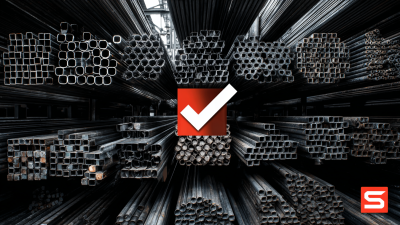
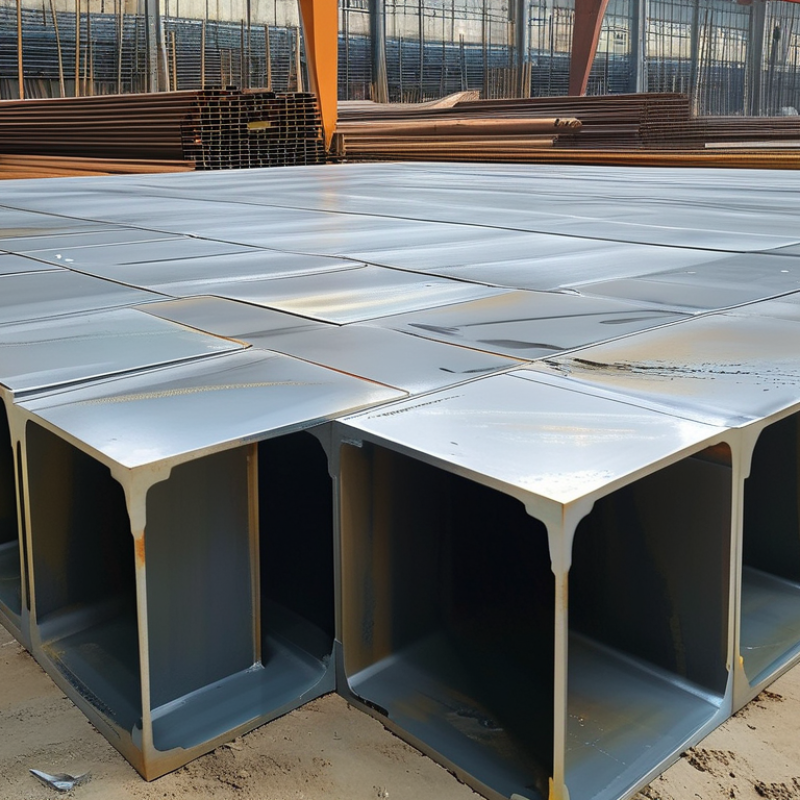
Square pipes, also known as square tubing, are hollow sections with equal dimensions on all four sides. These pipes are widely used in construction and manufacturing due to their strength and versatility. Their design provides exceptional structural integrity, making them ideal for various applications. According to a report by the American Institute of Steel Construction, square pipes maintain high weight-bearing capacity paired with resistance to bending.
[Image]
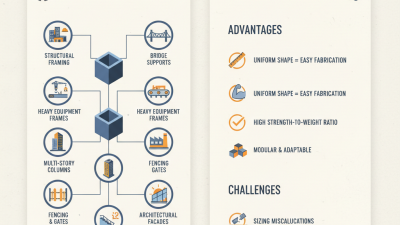
Manufacturers use square pipes in building frames, support structures, and fencing. Their uniform shape facilitates easy stacking, transport, and installation. Additionally, they enable efficient use of space, essential in crowded industrial environments. A study from the Steel Construction Institute highlights that square pipes are increasingly preferred for their aesthetic appeal and ease of fabrication.
Some challenges arise with square pipes. The welding process can induce stress concentrations, which may lead to failure if not handled properly. Additionally, their weight can be a concern in large structures. Choices about pipe sizes and thickness must be made wisely to ensure sustainability and performance. The balance between durability and weight is crucial for effective applications.
Material Composition of Square Pipes
Square pipes, widely used in construction and manufacturing, are known for their structural integrity. Understanding their material composition is vital for builders and manufacturers. Most square pipes are made from steel, aluminum, or fiberglass. Each material has distinct properties, impacting strength and durability.
Steel square pipes typically contain 10-15% alloying elements. The most common is carbon, which enhances strength. According to the American Institute of Steel Construction, around 50% of steel produced in the US is used in construction. Aluminum square pipes, lighter than steel, offer good corrosion resistance. They usually contain about 1% copper for added strength, making them suitable for lightweight structures.
Fiberglass square pipes, though less common, provide excellent corrosion resistance. These pipes often contain 60% glass fibers, making them strong yet lightweight. The composite nature of fiberglass makes it an ideal choice for industries like marine and chemical processing. However, they can be more expensive and might not be suitable for all applications. Understanding these material properties is essential for selecting the right square pipe for each specific use.
Square Pipe Applications in Construction and Manufacturing
Manufacturing Process of Square Pipes
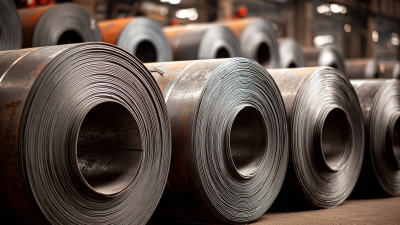
The manufacturing process of square pipes involves several key steps that ensure durability and precision. First, raw materials, usually steel or aluminum, are selected for their strength and malleability. They are cut into flat sheets, ready for shaping. This initial step sets the foundation for the quality of the final product.
Next, these sheets are subjected to heating and rolling processes. High temperatures make the metal easier to manipulate. The flat sheets are rolled into a tubular shape. After forming, the edges of the tube are welded together. This welding process is critical; it determines the pipe’s strength. A poorly executed weld can lead to failure during use.
Once the basic shape is achieved, square pipes often go through further treatments. They can be galvanized for corrosion resistance or painted for aesthetic appeal. Each of these processes adds complexity. Manufacturers must balance cost, time, and quality. Mistakes at any stage can lead to significant waste or redesign. While technology has improved manufacturing, challenges persist. Quality control remains essential in ensuring that each pipe meets required standards.
Common Applications of Square Pipes in Construction
Square pipes are crucial in construction. They provide strength and stability, making them ideal for various applications. One common use is in structural frameworks. Builders rely on square pipes for support beams, columns, and trusses. Their uniform shape allows for efficient connections and enhanced load distribution.
Another application is in scaffolding. Square pipes are lightweight yet durable, making them easy to handle. They can be quickly assembled and disassembled, which is essential for temporary structures. This flexibility is invaluable on construction sites. However, careful attention must be given to ensuring load limits are respected. Overloading can lead to dangerous situations.
Tips: Always inspect square pipes before installation. Look for signs of rust or deformation. Ensure they meet industry standards. It's also wise to incorporate safety measures during assembly. Safety should never be compromised, even for seemingly small tasks. Familiarizing yourself with proper techniques can prevent accidents.
Advantages of Using Square Pipes in Manufacturing and Construction
Square pipes have gained traction in construction and manufacturing due to their unique advantages. These pipes feature uniform dimensions, which ease stacking and transport. A report from the International Institute of Steel Construction highlights that square pipes are often preferred for their structural integrity. Their ability to withstand substantial loads makes them ideal for heavy-duty applications.
One notable advantage is their versatility. Square pipes can be readily used in beams, frames, and support structures. According to a study by the American Institute of Steel Construction, using square pipes can reduce material waste by up to 30%. This efficiency is crucial in a world where sustainability is increasingly prioritized.
Tips: When selecting square pipes, consider the load requirements and environmental factors. Always consult industry standards to ensure compliance. Keep in mind that while square pipes are robust, improper installation can lead to structural issues. Regular inspections can ensure lasting performance.
What is Square Pipe and its Applications in Construction and Manufacturing? - Advantages of Using Square Pipes in Manufacturing and Construction
| Dimension (mm) |
Wall Thickness (mm) |
Material |
Typical Applications |
Advantages |
| 25 x 25 |
2.0 |
Steel |
Furniture, Railing |
High strength, Easy fabrication |
| 40 x 40 |
3.0 |
Aluminum |
Construction, Automotive |
Lightweight, Corrosion resistant |
| 50 x 50 |
2.5 |
Stainless Steel |
Industrial Equipment, Framework |
Durable, Aesthetic appeal |
| 75 x 75 |
4.0 |
Carbon Steel |
Structural Applications, Scaffolding |
High load-bearing capacity, Versatile |
| 100 x 100 |
5.0 |
Mild Steel |
Heavy-duty Structures, Manufacturing |
Cost-effective, Strong weldability |