How to Choose the Best Steel Plate for Your Project?
Choosing the right steel plate for your project is crucial. A report by the Steel Institute indicates that the global steel plate market is expected to reach 300 million tons by 2025. Steel plates are widely used in construction, manufacturing, and automotive applications. Their strength, durability, and versatility make them indispensable in many industries.
However, selecting the best steel plate isn't as straightforward as it seems. Factors such as thickness, grade, and finish play a significant role in determining performance. A recent analysis revealed that nearly 30% of projects face delays due to improper material selection. This highlights the importance of understanding the specific requirements of your application.
Industry experts emphasize the need to assess load-bearing capacities and environmental resistance. Yet, many overlook these critical aspects. A well-informed choice can lead to enhanced safety and longevity. Mistakes can be costly and compromise project outcomes. Therefore, it’s essential to navigate the options thoughtfully and reflect on the potential consequences of your decisions.
Understanding Different Types of Steel Plates Available in the Market
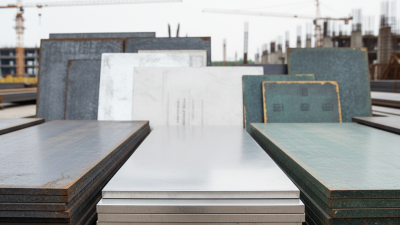
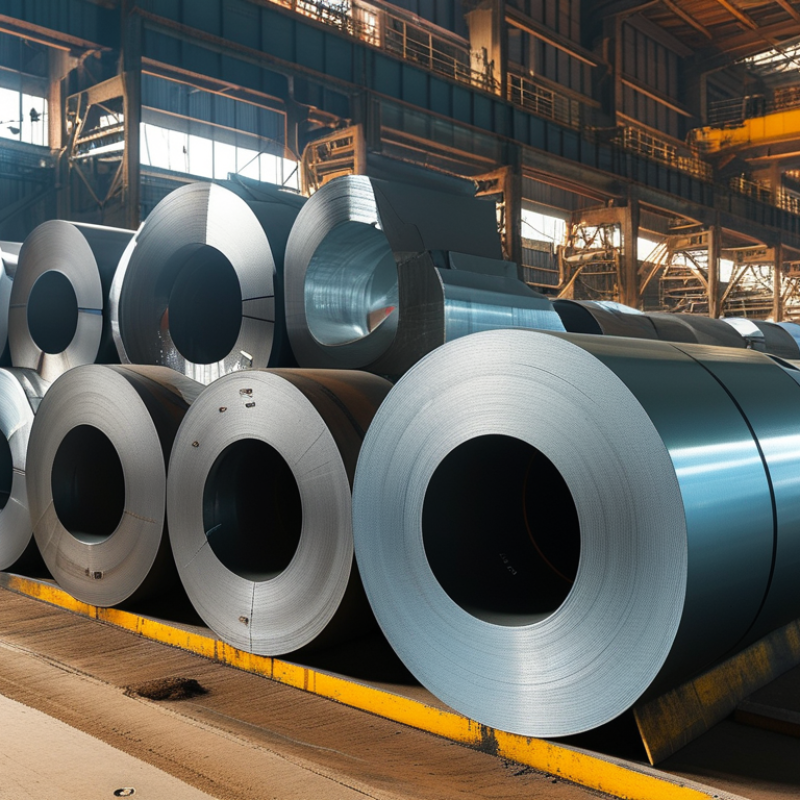
When selecting a steel plate for your project, understanding the types available is crucial. Steel plates are categorized primarily by their composition and usage. Common types include carbon steel, alloy steel, and stainless steel. Carbon steel is popular for its strength and versatility. It is often used in construction and manufacturing.
Alloy steel offers enhanced properties, such as higher resistance to wear and corrosion. It contains elements like chromium or nickel. This makes it suitable for demanding applications, like aerospace and automotive. Stainless steel, with its corrosion-resistant characteristics, is perfect for environments where moisture is present. It is commonly found in kitchen appliances and medical devices.
Choosing the right type may seem overwhelming. Each type has its advantages and disadvantages. The decision should be based on the specific needs of your project. Consider factors like strength requirements and environmental conditions. Sometimes the best choice isn't the most obvious one. Exploring different options can help find a suitable fit for your needs. Remember, not all projects require the same specifications. Reflecting on past experiences can guide your selection process.
Evaluating the Mechanical Properties of Steel Plates for Your Needs
Choosing the right steel plate starts with understanding its mechanical properties. These properties include tensile strength, yield strength, and hardness. Each aspect plays a crucial role in how the steel plate performs in different conditions. For instance, high tensile strength is essential for applications involving heavy loads. On the other hand, yield strength helps to determine how much stress a plate can take before deforming.
Consider the specific requirements of your project. Will the steel plate face extreme temperatures or corrosive environments? Understanding these factors can guide your selection process. It might seem simple, but overlooking these details can lead to costly mistakes. A steel plate that is too soft might bend under pressure, while one that's too hard can be challenging to work with.
Don't forget to evaluate the steel's toughness as well. Toughness ensures that the material can absorb energy without breaking. This property is especially critical for structures located in high-impact areas. Reflecting on your project's demands is vital. Remember, choosing a plate isn't just about selecting a material; it's about ensuring that it meets the demands of your project environment effectively.
Considering Corrosion Resistance and Coating Options for Steel Plates
When selecting a steel plate, corrosion resistance is vital. Steel can deteriorate quickly when exposed to moisture and chemicals. Consider the environment where the plate will be used. Coastal areas or industrial settings require stronger resistance. Coatings are an effective solution to enhance durability. Options like galvanization or powder coating can help prevent rust.
Different coatings provide varying levels of protection. For example, hot-dip galvanization offers a thick layer of zinc, ideal for outdoor settings. However, it can be uneven in coverage. Alternatively, powder coatings are attractive and provide a smooth finish, but they may be less effective against severe chemical exposure. Assess the specific needs of your project before selecting a coating.
Regular maintenance is crucial. Even with the best coatings, steel plates need inspections. Look for signs of wear or damage. Timely touch-ups can prolong the life of the material. Always consult a knowledgeable expert when choosing the right steel plate and coating. Doing so ensures you avoid pitfalls in your project.
Assessing the Thickness and Weight Requirements for Your Project
When selecting a steel plate for a project, assessing thickness and weight is crucial. Steel plate thickness typically ranges from 1/8 inch to several inches. Projects involving structural integrity often require thicker plates, often exceeding half an inch. According to a report by the American Institute of Steel Construction, thicker plates are beneficial for load-bearing applications, providing enhanced strength and durability.
Weight considerations also play an important role. A standard steel plate weighs approximately 490 pounds per cubic foot. For example, a 4x8-foot plate with a thickness of one inch weighs nearly 250 pounds. This weight can significantly impact handling and installation processes. Overlooking the implications of weight can lead to safety concerns on-site. It’s essential to balance the necessary thickness with the manageable weight, ensuring that lifting equipment can handle the load without risk.
Conversations in the industry often highlight the need for projections. Many projects underestimate the weight of materials, which can cause delays. Understanding how thickness and weight correlate can lead to better project planning. When engineers and architects collaborate, they must communicate these factors effectively to avoid potential pitfalls. Careful consideration of these details can ultimately influence project outcomes, reinforcing the importance of precise planning in construction.
Budgeting and Sourcing: How to Get the Best Steel Plate Deals
When budgeting for steel plates, consider current market trends. According to the World Steel Association, steel prices can fluctuate significantly based on demand and manufacturing costs. In 2022, the average price of hot-rolled steel increased by over 40% due to supply chain disruptions. Such insights are crucial when estimating expenses for your project.
Sourcing steel plates can be complex. It's often necessary to explore various suppliers to find the best deals. Local suppliers may offer competitive prices, but international sources sometimes provide better quality at lower rates. In 2021, a report by the American Institute of Steel Construction indicated that networking with industry professionals could lead to savings of up to 15%. However, distance and import costs can affect overall expenses.
Being informed about the types of steel available is essential. Different grades serve different purposes. For instance, structural steel and alloy steel meet specific project requirements. Understanding these distinctions can lead to better decision-making. Failure to research can result in overpayment or unsuitable material procurement. Always reassess your choices as market conditions shift and new data emerges.
Steel Plate Pricing Comparison