Top Suppliers of Galvanized Coil in China for Global Buyers?
In the competitive world of steel production, "Galvanized Coil" plays a critical role. As a protective layer against corrosion, galvanized coils are essential for construction, automotive, and machinery industries. According to a 2023 report by Mordor Intelligence, the global galvanized steel market is expected to reach USD 60 billion by 2025, reflecting a significant growth rate.
John Smith, a renowned expert in the galvanizing sector, emphasizes the importance of quality in this industry. He states, "Reliable suppliers ensure that galvanized coils meet stringent standards." This underscores how buyer decisions rely heavily on supplier credibility. However, many potential buyers face challenges in identifying top suppliers in China, a leading market for galvanized coils.
The evolving landscape of the galvanized coil market demands attention. While China's dominance offers numerous options, variability in quality and service among suppliers creates uncertainty. Buyers must navigate these complexities while focusing on their specific needs. Choosing the right supplier can significantly influence project success or failure.
Overview of Galvanized Coil and Its Applications
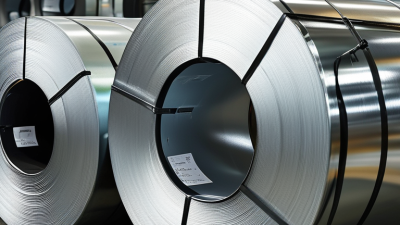
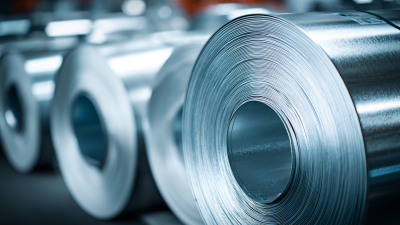
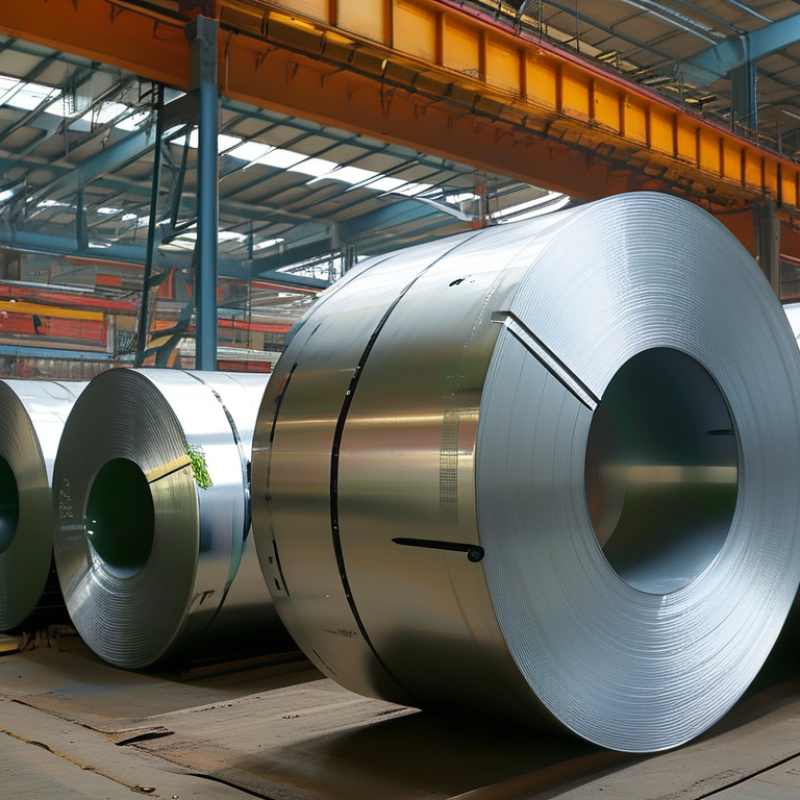
Galvanized coil is a type of steel sheet coated with zinc. This process helps prevent rust. It is widely used in construction, automotive, and appliance manufacturing. The coated surface provides significant corrosion resistance, making it suitable for outdoor applications.
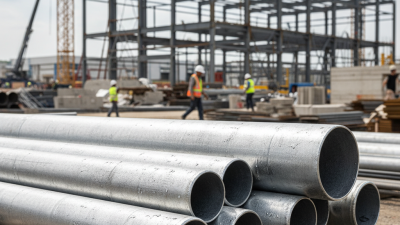
In construction, galvanized coils are used for roofing systems and framing. They add durability to buildings and protect against the elements. In the automotive industry, these coils help produce car body panels. Their strength and light weight enhance vehicle performance. Appliances, such as refrigerators and washing machines, also utilize galvanized steel for added longevity.
Despite its advantages, the production of galvanized coils raises questions about environmental impact. The zinc coating process requires energy and involves chemicals that can be harmful. It's essential to explore more sustainable production methods. Buyers should consider the full lifecycle of galvanized coils. Sustainable practices can improve the overall reliability and efficiency of this essential material.
Key Features and Benefits of Galvanized Coils
Galvanized coils are essential materials in various industries. They are steel sheets coated with zinc to prevent rusting. The process of galvanization enhances durability and longevity, making these coils suitable for outdoor and industrial applications. According to a report from Global Industry Analysts, the galvanized steel market is expected to reach over $180 billion by 2026, driven by increasing demand across construction and automotive sectors.
One key feature of galvanized coils is their corrosion resistance. The zinc coating acts as a barrier against moisture and harmful substances. This increases the lifespan of products made from galvanized steel. Additionally, these coils provide excellent paint adhesion due to their smooth surface. Many manufacturers now prioritize using galvanized steel, especially in regions with high humidity or coastal areas, where rust could significantly reduce service life.
Despite the advantages, concerns regarding the environmental impact of zinc extraction and galvanization processes exist. Industry experts suggest that sustainable practices are essential for future growth. Innovative solutions like recycling and low-energy coating processes can address these issues. The focus on sustainable materials is gaining traction, prompting buyers to consider not only cost and quality but environmental responsibility.
Major Suppliers of Galvanized Coil in China
China is a leading supplier of galvanized coil, catering to global buyers. The nation's production capacity for galvanized steel has surged significantly, reaching approximately 10 million tons in recent years. This rise stems from increasing domestic demand and the push for exports. Major companies in China's galvanized coil sector have ramped up their operations to meet these needs.
When sourcing galvanized coils, buyers should assess the quality certifications and production techniques used by suppliers. Data from industry reports indicates that around 40% of global galvanized coil imports come from China. The vast range of thickness and coating options available is impressive. Inconsistent quality, however, remains a concern. Some suppliers may not adhere strictly to international standards.
Tip: Always compare samples from different suppliers. This can give you a clearer idea of quality variations. Additionally, understanding the production timelines is crucial. Reports suggest that delays can occur due to raw material shortages. Buyers should remain vigilant and consider the reliability of suppliers' promised lead times. By doing so, they can better navigate the complexities of global procurement.
Top Suppliers of Galvanized Coil in China
This chart displays the production capacity of various suppliers of galvanized coil in China, showcasing the competitive landscape in the market.
Factors to Consider When Choosing a Supplier
When selecting a galvanized coil supplier in China, several critical factors play a vital role. Quality assurance is paramount. A recent industry report showed that over 70% of buyers prioritize product quality. Engaging with suppliers who have established quality control processes can mitigate risks associated with material defects.
Pricing is another focal point. Despite the temptation to go for the lowest cost option, evaluating the balance between price and quality is essential. In 2023, the average price of galvanized coils fluctuated due to changing global demand. Opting for exceptionally low-priced suppliers might lead to subpar products. It's crucial to check pricing trends rather than settling for an immediate bargain.
Buyers should also consider a supplier’s reliability. Delivery schedules and consistency in supply can significantly impact business operations. According to recent statistics, nearly 60% of buyers face delays when working with less reputable suppliers. Communication plays a role here; suppliers who respond promptly to inquiries have a better chance of maintaining long-term relationships. However, it’s wise to consider feedback from other buyers for a comprehensive view.
Top Suppliers of Galvanized Coil in China for Global Buyers
| Supplier Type |
Annual Revenue (USD) |
Production Capacity (tons/year) |
Export Experience (years) |
Certification |
| Manufacturer |
25 Million |
150,000 |
15 |
ISO 9001 |
| Trading Company |
15 Million |
80,000 |
10 |
CE |
| Distributor |
10 Million |
50,000 |
5 |
ISO 14001 |
| OEM Provider |
30 Million |
200,000 |
20 |
TS 16949 |
| Import/Export Firm |
20 Million |
100,000 |
12 |
SA8000 |
Trends in the Galvanized Coil Market for Global Buyers
The galvanized coil market is evolving rapidly. Demand growth, particularly from the construction sector, shapes this trend. According to recent industry reports, global demand for galvanized steel is expected to reach 300 million metric tons by 2025. This rise correlates with urbanization trends, especially in emerging markets.
However, challenges exist. Fluctuating raw material prices can impact production costs. Steel prices have seen significant volatility, with recent reports noting a range of 30% variation in just one year. Moreover, environmental regulations are tightening globally. This impacts how suppliers operate and manage their production processes.
Some manufacturers are adapting by improving their sustainability practices. They aim to minimize waste during production. However, not all suppliers are keeping pace, leading to market stratification. Buyers must navigate this landscape carefully. Market analysis indicates that reliable suppliers often invest in innovation and compliance. While many players exist, distinguishing quality providers remains crucial for success in this dynamic market.