Top 10 Benefits of Using Stainless Steel Coil in Your Projects
Stainless Steel Coil has emerged as a key material in various industries, including construction, automotive, and manufacturing, due to its remarkable properties such as durability, corrosion resistance, and aesthetic appeal. According to a recent market analysis by Allied Market Research, the global stainless steel coil market was valued at approximately USD 28 billion in 2022 and is anticipated to reach USD 38 billion by 2031, growing at a CAGR of 4.2%. This growth underscores the increasing reliance on this versatile material in modern projects.
Industry expert Dr. Jane Smith, a materials engineer with over two decades of experience in stainless steel applications, emphasizes the advantages of using Stainless Steel Coil. She states, "The inherent properties of stainless steel coils—such as their strength and resistance to harsh environments—make them an ideal choice for a wide array of applications, from structural components to decorative finishes." These compelling benefits highlight why many project managers and engineers are prioritizing stainless steel coils in their designs and specifications, ensuring not only functional excellence but also long-term sustainability in their projects.
Benefits of Durability and Longevity of Stainless Steel Coil
Stainless steel coil is renowned for its exceptional durability and longevity, making it an ideal choice for various projects across industries. The inherent properties of stainless steel, such as resistance to corrosion, heat, and oxidation, contribute to its extended lifespan. When utilized in construction or manufacturing, stainless steel coil can withstand harsh environments, thereby reducing the need for frequent replacements or expensive maintenance. This not only enhances the overall efficiency of projects but also ensures a safer and more reliable outcome.
Tips: When selecting stainless steel coil for your project, consider the environment in which it will be used. Assess factors like humidity, temperature fluctuations, and exposure to chemicals. Choosing the right grade of stainless steel can further optimize its performance and durability.
Another significant advantage of stainless steel coil is its lightweight nature coupled with high strength. This characteristic facilitates easier handling during installation, allowing for efficient workflows without compromising structural integrity. Its ability to maintain aesthetics over time while resisting tarnish and wear also adds to its appeal, ensuring that projects look polished and new for years.
Tips: Regular cleaning and maintenance can further prolong the life of stainless steel coil. Utilizing non-abrasive cleaners ensures that the surface remains intact, preserving both appearance and functionality.
Corrosion Resistance: How Stainless Steel Enhances Project Lifespan
Stainless steel is increasingly becoming a material of choice in various industries due to its exceptional corrosion resistance, which significantly enhances the lifespan of projects. According to the International Stainless Steel Forum (ISSF), stainless steel exhibits corrosion resistance that is over 10 times higher than that of traditional carbon steel. This resistance is primarily due to the formation of a passive oxide layer that protects the underlying metal from environmental factors such as moisture, chemicals, and temperature fluctuations. As a result, structures and components made from stainless steel can withstand harsh conditions without deteriorating, reducing the need for frequent maintenance and replacements.
In practical terms, the longevity afforded by stainless steel translates directly into cost savings for projects. A report from the American Institute of Steel Construction (AISC) indicates that the total lifecycle cost of a project utilizing stainless steel can be up to 30% lower than one utilizing carbon steel, once factoring in maintenance and replacement costs over time. In industries such as construction, food processing, and pharmaceuticals, where hygiene and durability are paramount, the use of stainless steel can dramatically extend the operational life of structures and equipment. Its resilience against corrosion not only ensures safety and integrity but also supports sustainability goals by minimizing waste and resource depletion, solidifying its role as a critical material in modern engineering and design.
Versatility in Applications: Where Stainless Steel Coil Excels
Stainless steel coil is renowned for its remarkable versatility, making it an invaluable choice across various industries. One of its most notable applications is in the construction sector, where its durability and resistance to corrosion ensure long-lasting building components. From cladding and roofing to structural support, stainless steel coil enhances both the aesthetic appeal and functional integrity of structures, allowing architects and builders to innovate without compromise.
In addition to construction, stainless steel coil excels in the automotive industry, where it is used in manufacturing exhaust systems, fuel tanks, and body panels. Its ability to withstand high temperatures and corrosive environments ensures that components remain reliable over time. Moreover, in the food and beverage sector, stainless steel coil is favored for its hygienic properties, making it ideal for creating equipment that meets strict health regulations. This adaptability not only streamlines production processes but also ensures that the end products are safe and durable, showcasing the wide-ranging advantages of utilizing stainless steel coil in diverse applications.
Top 10 Benefits of Using Stainless Steel Coil in Your Projects
Cost-Effectiveness: Long-Term Savings with Stainless Steel Use
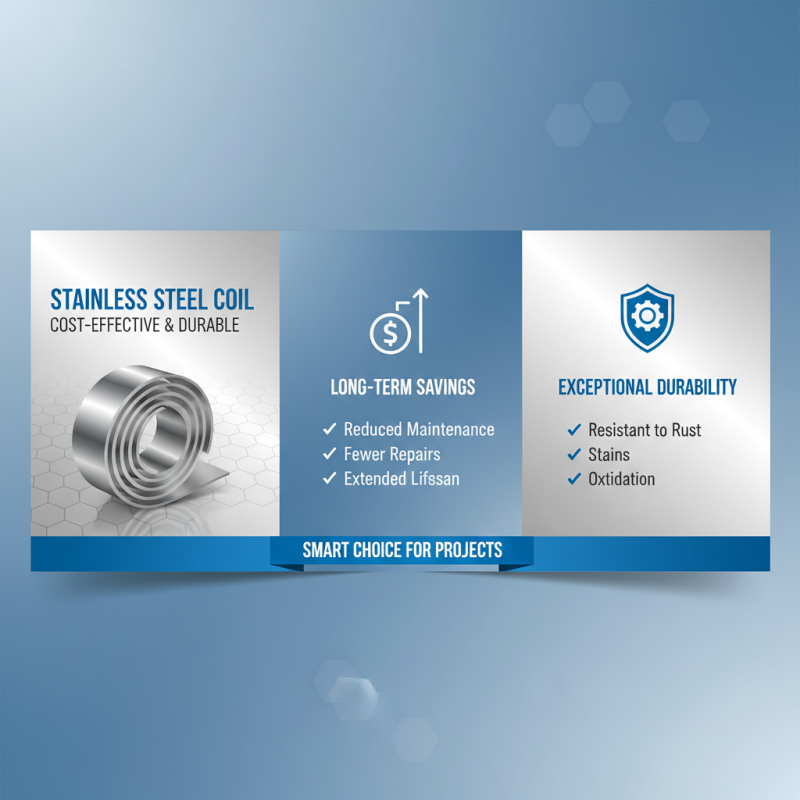
When considering materials for your projects, stainless steel coil stands out as an exceptionally cost-effective choice, offering long-term savings that are hard to overlook. One of the most significant benefits of using stainless steel coil is its durability. Unlike other materials that may corrode or deteriorate over time, stainless steel is resistant to rust, stains, and oxidation. This resilience not only ensures a longer lifespan for your projects but also translates into reduced maintenance costs. Fewer repairs and replacements mean that your initial investment is bolstered by enduring performance.
Additionally, stainless steel coils require less frequent maintenance, contributing to their overall cost-effectiveness. Many applications in construction, manufacturing, and food processing benefit from this material's ease of cleaning and sanitization, which simplifies operational protocols and minimizes downtime. Moreover, the energy efficiency of stainless steel, especially when used in HVAC systems or in heat exchangers, can lead to significant savings on energy bills. By choosing stainless steel coil, you're not only making a choice that supports long-term functionality and aesthetic appeal, but you're also investing smartly in your projects, yielding substantial financial advantages over time.
Eco-Friendly Considerations: Sustainability of Stainless Steel in Projects
When considering sustainable materials for construction and manufacturing projects, stainless steel stands out due to its eco-friendly characteristics. One of the primary advantages of stainless steel is its remarkable recyclability. It can be recycled repeatedly without losing its essential properties, which significantly reduces landfill waste. In fact, nearly 90% of stainless steel is recycled globally, making it an environmentally responsible choice for modern projects aimed at reducing carbon footprints.
Another important aspect of stainless steel's sustainability is its energy efficiency during production. While the initial manufacturing process requires energy, advancements in technology have led to reductions in energy consumption over time. Furthermore, stainless steel is highly durable and corrosion-resistant, resulting in longer lifespans for products made from this material. This longevity minimizes the need for replacements, ultimately conserving resources and reducing emissions associated with manufacturing and transport. By choosing stainless steel, project developers can not only enhance the durability of their products but also contribute to a more sustainable and eco-conscious future.
Top 10 Benefits of Using Stainless Steel Coil in Your Projects - Eco-Friendly Considerations: Sustainability of Stainless Steel in Projects
| Benefit |
Description |
Sustainability Impact |
| Durability |
Stainless steel is highly resistant to corrosion and staining. |
Long lifespan reduces the need for replacements, minimizing waste. |
| Recyclability |
Stainless steel can be recycled repeatedly without losing quality. |
Promotes circular economy and resource conservation. |
| Low Maintenance |
Requires minimal upkeep to maintain appearance and performance. |
Less maintenance leads to lower environmental impact. |
| Aesthetic Appeal |
Provides a modern and sleek look suitable for various designs. |
Enhances the overall aesthetic of projects, encouraging longevity. |
| Heat Resistance |
Can withstand high temperatures without losing structural integrity. |
Reduced need for material replacements due to thermal damage. |
| Chemical Resistance |
Resists various chemicals and does not react adversely. |
Lower risk of contamination and environmental release. |
| Versatility |
Can be used in various applications from construction to kitchen appliances. |
Encourages innovative and sustainable design solutions. |
| Cost-Effectiveness |
Initial costs are offset by durability and low maintenance over time. |
Long-term savings reduce resource consumption. |
| Health Safety |
Non-toxic material safe for food contact and medical environments. |
Ensures sustainable practices in health-related applications. |
| Energy Efficiency |
Manufacturing processes are increasingly becoming energy efficient. |
Lower energy use during production contributes to sustainability goals. |