Top Structural Steel Tips for Global Buyers in 2026?
In the realm of construction, Structural Steel has emerged as a vital component for global buyers. Understanding the nuances of this material is crucial for making informed purchasing decisions. The demand for Structural Steel is projected to grow significantly by 2026. However, navigating this complex market can be challenging.
Buyers must assess Suppliers' credibility. Evaluating their past performance often reveals hidden strengths and weaknesses. Trusting suppliers requires diligence and research, but it pays off in the long run. It is also essential to stay updated on evolving trends within the industry.
Recognizing emerging technologies may offer strategic advantages. Global buyers should consider factors like sustainability and innovation when sourcing Structural Steel. These elements are becoming increasingly important. A reflective mindset is key to achieving success in this rapidly changing landscape. Embracing lessons learned from past experiences can lead to better choices in the future.

Understanding Global Market Trends in Structural Steel for 2026
As global buyers approach 2026, understanding market trends in structural steel is crucial. The world is witnessing fluctuations in demand and supply. These changes are influenced by various factors, including construction trends and geopolitical events. Buyers should stay informed to make strategic decisions.
Tip 1: Follow industry reports regularly. Market analytics provide insights into pricing and availability. Knowledge of these trends allows buyers to negotiate better deals.
Tip 2: Consider sustainable practices. The demand for environmentally friendly materials is increasing. Buyers must prioritize suppliers who adhere to sustainable production methods. This shift not only meets regulatory requirements but also appeals to a growing customer base.
However, challenges will arise. Fluctuating raw material costs might affect pricing strategies. Communication with suppliers is essential. Being proactive in addressing potential disruptions can help mitigate risks.
Buyers must adapt to unpredictable market dynamics. Flexibility in sourcing strategies is vital. It helps ensure a stable supply chain. The journey to navigate global structural steel markets requires constant learning and adaptation.
Key Factors Influencing Structural Steel Prices Worldwide
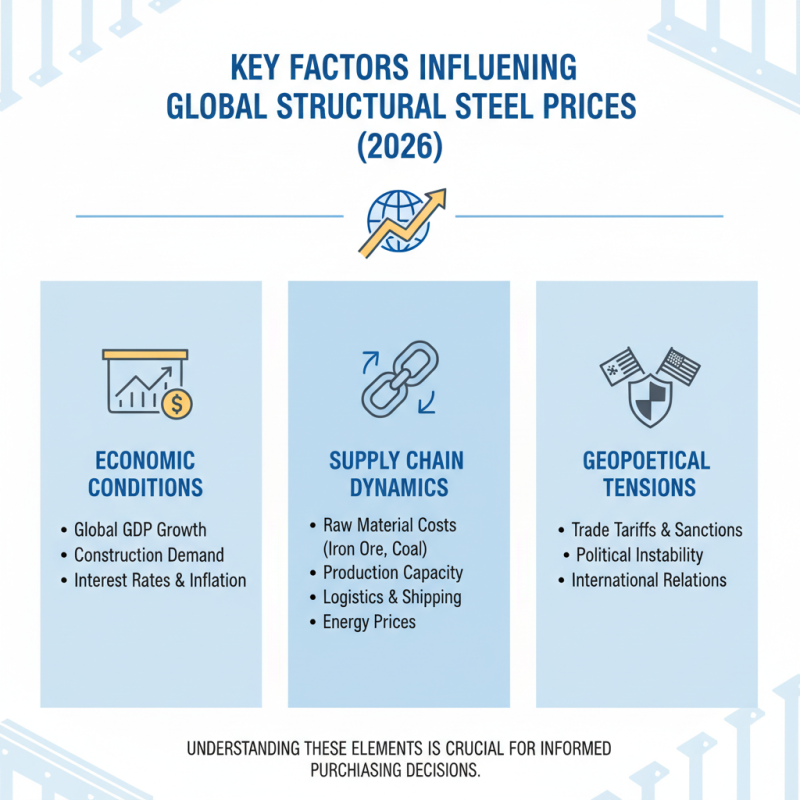
In 2026, global buyers face fluctuating structural steel prices. Several key factors will influence this market. Economic conditions, supply chain dynamics, and geopolitical tensions all play essential roles. Understanding these elements is crucial for making informed purchasing decisions.
An unstable economy can lead to sudden price changes. When demand surges, suppliers may struggle to keep up. Similarly, if production costs rise, prices usually follow suit. Current events, like trade agreements or political conflicts, can also impact pricing. Buyers should keep a close watch on these trends.
Here are some tips to navigate this landscape. First, develop strong relationships with multiple suppliers. This ensures better negotiation power and access to competitive prices. Regularly review market reports to stay updated on price forecasts. Be prepared to adjust your purchasing strategies based on shifting market conditions. Lastly, consider long-term contracts to mitigate risks associated with price volatility. These steps can help buyers make better decisions in a complex environment.
Sourcing Quality Structural Steel: Best Practices for International Buyers
Sourcing quality structural steel is critical for international buyers, especially as we approach 2026. The global structural steel market is expected to reach approximately $134 billion by 2026, demonstrating the growing demand. Buyers must adopt best practices to navigate this complex landscape.
One tip: ensure you're dealing with reputable suppliers. Look for certifications that indicate quality assurance. The International Organization for Standardization (ISO) offers guidelines that can help verify a supplier’s reliability. Additionally, consider supplier history and customer feedback. Many reports suggest that 40% of sourcing issues stem from inadequate supplier vetting.
Another vital aspect is understanding material specifications. Structural steel comes in various grades, and selecting the right one is essential for project regulation compliance. Be mindful of regional manufacturing differences. According to recent market studies, 60% of buyers misjudge local standards, leading to project delays.
Investing time in supplier and material research pays off. By actively engaging in these practices, buyers can mitigate risks and improve project outcomes. Collaboration with engineering teams can also enhance decision-making on material choices, ensuring both performance and compliance.
Top Structural Steel Tips for Global Buyers in 2026
Navigating Regulatory Standards and Compliance in Global Steel Trade
Navigating regulatory standards can be daunting for global buyers in the steel trade. Each region has its own set of rules. Understanding these variances is crucial. Countries may enforce different environmental standards or safety regulations. This creates complexity in sourcing structural steel.
Buyers often face delays due to compliance issues. Documentation can be a labyrinth. Ensuring all papers are in order can prevent costly setbacks. Working with local experts can streamline the process. They can provide insights into what is required and how to meet standards effectively.
Moreover, ongoing changes in regulations require vigilance. Being proactive rather than reactive is essential. Some regulations may seem burdensome, but they often exist for safety. Balancing compliance with cost-effectiveness can be tricky. This requires continuous adaptation and vigilance in an ever-evolving landscape.
Top Structural Steel Tips for Global Buyers in 2026 - Navigating Regulatory Standards and Compliance in Global Steel Trade
| Aspect |
Details |
Compliance Requirement |
Region |
| Material Standards |
ASTM A992 for structural steel construction |
Required for compliance in the US |
North America |
| Environmental Standards |
ISO 14001 for environmental management |
Certification required in Europe |
Europe |
| Safety Standards |
OSHA regulations for worker safety |
Mandatory for projects in the US |
North America |
| Quality Assurance |
ISO 9001 for Quality Management Systems |
Compliance preferable in all regions |
Global |
| Trade Regulations |
Tariff codes for steel imports/exports |
Varies by country; must be verified |
Global |
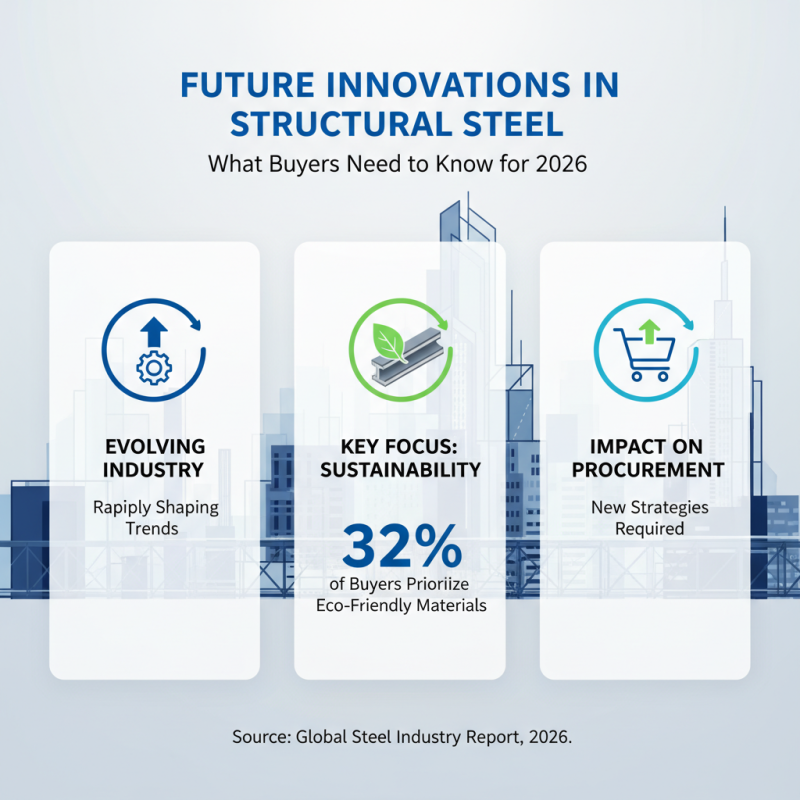
Future Innovations in Structural Steel: What Buyers Need to Know
Structural steel continues to evolve. In 2026, global buyers must be aware of emerging trends. Innovations are rapidly shaping the industry. Increasing focus on sustainable practices is evident. Reports indicate that 32% of buyers prioritize eco-friendly materials. This shift affects procurement strategies.
New manufacturing techniques are critical. Advanced automation reduces costs. However, it raises questions about labor displacement. Buyers should consider these factors when adapting to innovations. Using smart technologies will enhance efficiency. The market is expected to grow by 7% annually through 2026. Yet, fluctuating material prices pose challenges.
Data from the World Steel Association reveals that lightweight steel is gaining traction. With increased strength-to-weight ratios, this material improves structures. Yet, buyers must understand its limitations. The demand for prefabricated components is also rising. It streamlines construction timelines but may sacrifice some customization. Balancing these factors is essential for informed purchasing decisions.