Why is Structural Steel Essential for Modern Construction?
Structural steel plays a critical role in modern construction. It offers outstanding strength, durability, and versatility. Builders rely on structural steel to create everything from skyscrapers to bridges. This material can withstand heavy loads and harsh weather conditions, making it ideal for various applications.
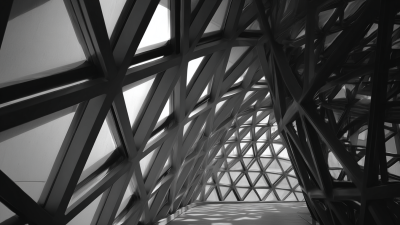
The use of structural steel allows for open spaces and innovative designs. Large windows and tall ceilings are possible due to steel’s strength. However, this material also has its drawbacks. Environmental concerns arise from steel production. High energy consumption and carbon emissions can affect sustainability efforts.
Despite these challenges, the benefits of structural steel are undeniable. It not only supports but also beautifies modern architecture. Engineers and architects must continue to explore new ways to enhance its sustainability. As the industry evolves, so should our approach to using structural steel. The potential for more eco-friendly practices is vast. Embracing change will lead to better outcomes for future construction projects.
The Role of Structural Steel in Modern Construction Techniques
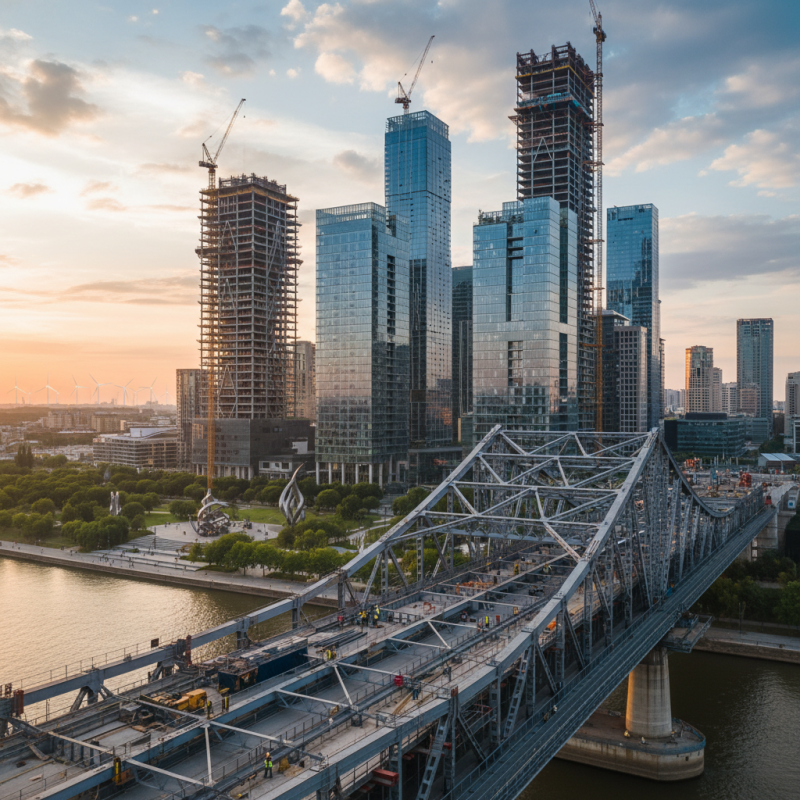
Structural steel plays a pivotal role in modern construction techniques. Its strength and versatility allow architects to push the boundaries of design. Tall skyscrapers and expansive bridges are now possible due to steel’s unique properties. This material offers an unmatched strength-to-weight ratio, making it ideal for structures that require stability without excess weight.
In the construction process, structural steel can facilitate quicker assembly. Prefabricated steel components can be crafted off-site and then transported to the construction location. This method reduces construction waste and minimizes project timelines. However, relying heavily on steel also has its drawbacks. The environmental impact of steel production is substantial and should not be overlooked.
BIM (Building Information Modeling) has revolutionized how steel is used in construction. It allows for precise planning and modeling before any steel is cut or assembled. Yet, this technology demands skilled labor and can introduce complexity. The integration of steel in modern builds is more than just about strength; it poses questions on sustainability and efficiency. Balancing innovation with responsibility remains a challenge for the industry.
Benefits of Using Structural Steel in Building Projects
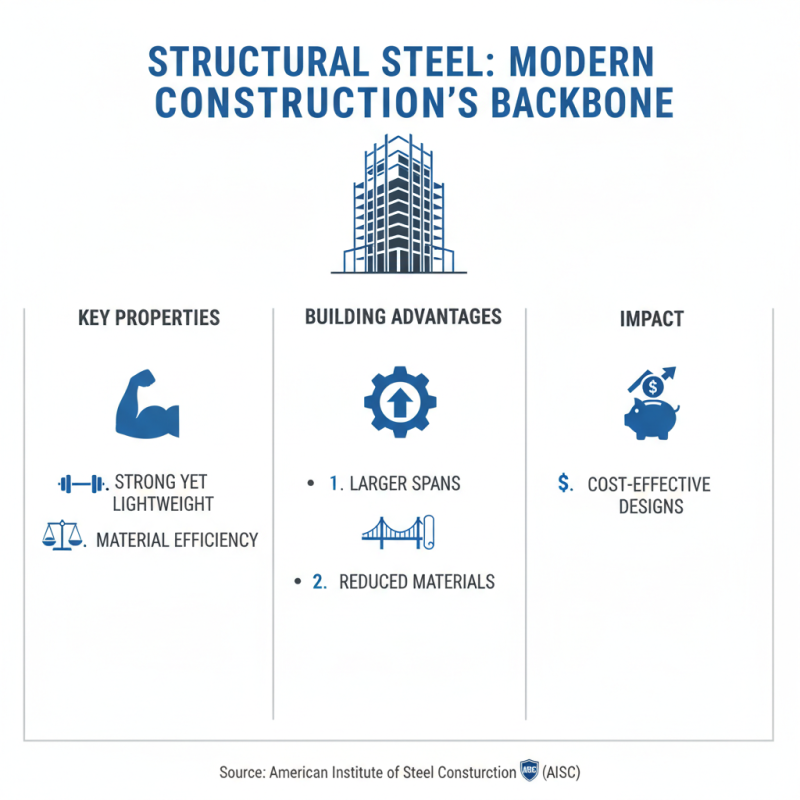
Structural steel plays a pivotal role in modern construction due to its unique properties. It is strong yet lightweight, making it ideal for various building applications. According to the American Institute of Steel Construction, steel can support larger structures while minimizing material use. This leads to cost-effective building designs.
The benefits of using structural steel are clear. It enhances the durability of structures. Steel is resistant to many environmental factors, including fire, termites, and rot. A report from the National Institute of Standards and Technology cites that buildings made with steel can last over 100 years with proper maintenance. This longevity can reduce long-term costs significantly.
**Tip:** When planning a project, consider integrating prefabricated steel elements. These can save time on-site and streamline construction processes.
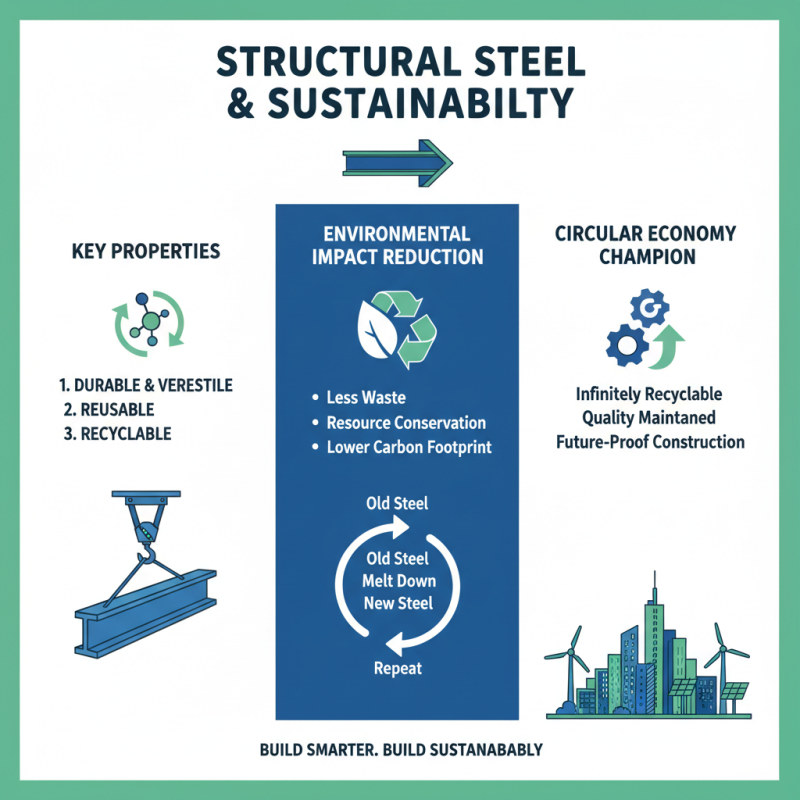
Another important aspect is sustainability. Steel is 100% recyclable, which lowers the overall carbon footprint of building projects. The Steel Recycling Institute states that over 85% of steel is recycled in North America. This not only conserves resources but also reduces waste.
**Tip:** Ensure your suppliers use high-quality recycled steel to maximize sustainability. Reflect on sourcing practices to boost environmental responsibility.
Comparative Strength and Durability of Structural Steel vs. Other Materials
Structural steel stands out in modern construction due to its impressive strength and durability compared to other materials. According to the American Institute of Steel Construction, structural steel can withstand up to four times the load of comparable materials like concrete or timber. This strength allows for taller buildings and larger spans, enabling innovative architectural designs.
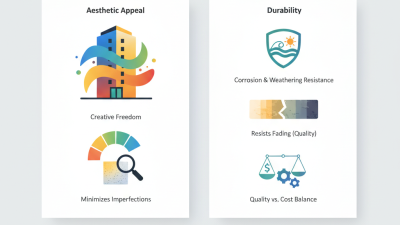
Durability is another critical factor. Structural steel is resistant to many forms of degradation seen in wood and concrete, such as rot and cracking. A report by the National Institute of Standards and Technology highlights that steel structures can withstand extreme weather events better than traditional materials. This resilience can often mean lower maintenance costs over a building's lifecycle.
However, not all steel is created equal. Variations in quality and manufacturing processes can impact performance. While structural steel has advantages, improper use or substandard materials may lead to failures. Construction teams must ensure high standards in fabrication and installation, as the consequences of oversight can be severe. Building codes and inspections play a vital role in preventing issues, but the reliance on oversight may not eliminate all risks.
Innovations in Structural Steel Design and Engineering Practices
Structural steel has evolved significantly, impacting modern construction. Recent innovations focus on advanced design and engineering practices, enhancing efficiency and safety. For instance, the use of high-strength steel allows for lighter structures. According to a 2022 report by the American Institute of Steel Construction (AISC), high-strength steel can reduce structural weight by up to 30%. Lighter buildings mean less foundation material is needed, leading to cost savings.
Moreover, modern structural steel design incorporates Building Information Modeling (BIM) and parametric design. These techniques allow engineers to create complex shapes with precision. Enhancements in software enable real-time analysis of structural integrity. The 2023 Steel Construction Industry Report highlights that projects using BIM have reduced errors by 40%. This shows the potential for increased accuracy but also highlights a reliance on technology that may pose future risks if not managed well.
Despite these advancements, challenges remain. The steel supply chain can be disrupted, affecting project timelines. Labor shortages in skilled trades also slow down construction. The industry needs to adapt continuously. It's essential to explore sustainability, resource management, and workforce development. Balancing innovation with practical considerations is vital for future success.