How to Select the Best Galvanized Plate for Your Project?
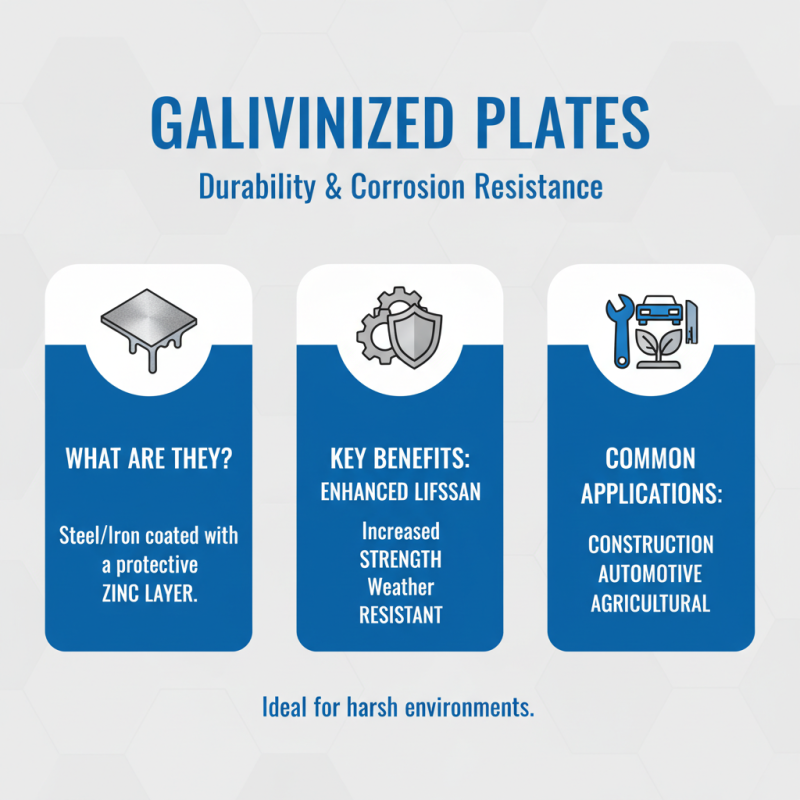
When undertaking a project that requires durability and corrosion resistance, choosing the right Galvanized Plate is crucial. Galvanized Plates are steel sheets coated with zinc. This dynamic coating protects against rust and extends the material's life. Understanding the specifications and uses of these plates can be overwhelming.
Different projects demand different qualities. For a construction project, consider the thickness and weight of the plate. A heavier plate may offer more strength but could be difficult to handle. For decorative purposes, a thinner, lighter plate may be more suitable. Balancing strength and practicality can be a challenge.
Additionally, the aesthetics might matter. Some galvanized plates can look dull or rough, which may not suit certain designs. You'll need to decide what features align with your project goals. Reflecting on these details will help ensure you choose the best Galvanized Plate for your needs.
Understanding Galvanized Plates and Their Applications
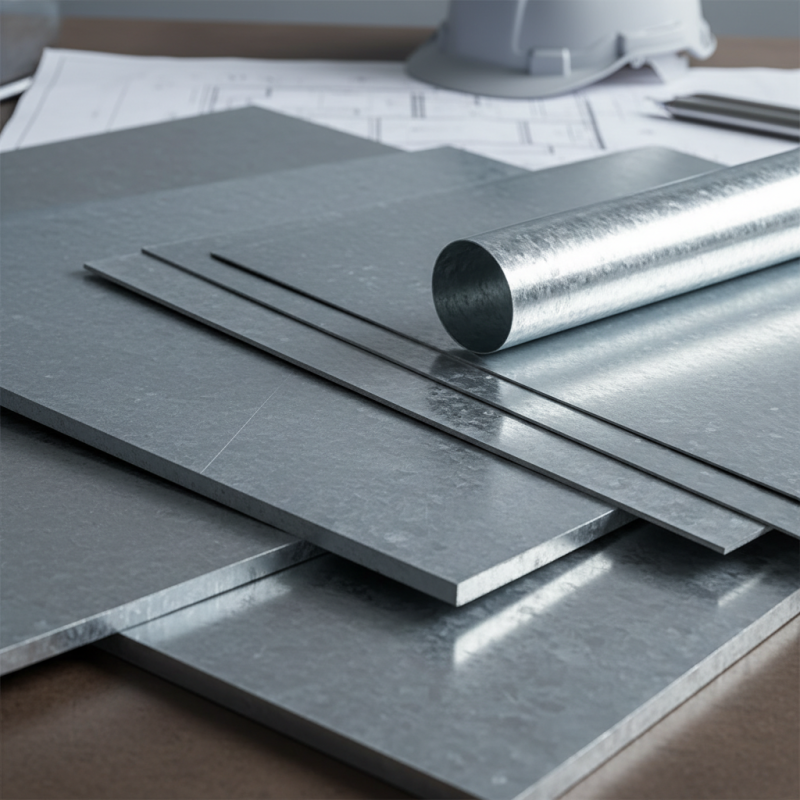
Galvanized plates are widely used in various industries due to their durability and resistance to corrosion. These plates are created by coating steel or iron with a protective layer of zinc. This process enhances their lifespan and performance in tough environments. They are ideal for construction, automotive, and agricultural applications where strength and weather resistance matter.
When selecting a galvanized plate, understanding specific applications is crucial. For example, in construction, they can be used for roofing and structural components. They provide excellent protection against rust and can withstand harsh weather conditions. However, one must consider the plate thickness and zinc coating thickness, as both significantly impact longevity. Sometimes, the wrong choice of thickness can lead to premature wear or inadequate support.
While galvanized plates prove effective, they are not without limitations. Some applications may require higher corrosion resistance than what standard galvanized plates offer. In such cases, further treatment might be necessary. Reflecting on these aspects can help in making informed decisions. Ultimately, the right choice aligns your project's specific needs with the characteristics of the galvanized plate.
Factors to Consider When Choosing Galvanized Plates
When selecting galvanized plates for your project, several key factors come into play. First, consider the
thickness of the plate. Thicker plates are stronger but may cost more. You need to balance strength and budget. Dimensions are also critical. Ensure the plates fit your project's specifications without excess waste.
Another important aspect is the galvanization process. There are different methods, like hot-dip and electro-galvanizing. Each has its own benefits depending on the environment the plates will face. For instance, hot-dip galvanized plates are more durable in corrosive environments.
Tips: Always check the zinc coating thickness. A thin coating may not protect as well. Additionally, remember to review the metal's structural integrity. Project needs differ widely, and a one-size-fits-all approach may lead to issues down the line.
Think about the finish of the plate as well. An uneven surface can weaken the plate. In construction, even small flaws can lead to major problems. Quality control during production is key. Consider inspecting samples before finalizing your order.
Different Types of Galvanization Processes
When selecting galvanized plates, understanding the different types of galvanization processes is crucial. Galvanization primarily protects steel from corrosion. It extends the life of metal in various environments, especially in harsh conditions.
The two main types include hot-dip galvanization and electro-galvanization. Hot-dip galvanization involves immersing the metal in molten zinc. This process ensures a thick, durable coating. However, it may lead to uneven surfaces. This can be a drawback for projects requiring aesthetics. Electro-galvanization, on the other hand, applies a zinc layer through electroplating. This method offers a smoother finish, although it provides less protection compared to hot-dip galvanization. The choice largely depends on the project’s needs.
Tips for choosing the right galvanization method: Check local environmental conditions. If facing high humidity, opt for hot-dip galvanization. It offers better long-term protection. Conversely, if a clean finish is needed, consider electro-galvanization. Evaluate the cost as well; hot-dip may be pricier but could save money on maintenance. Don't forget to assess the thickness of the zinc layer. Too thin may lead to early rust. Reflect on these factors to ensure your choice aligns with your project goals.
How to Select the Best Galvanized Plate for Your Project? - Different Types of Galvanization Processes
| Type of Galvanization |
Process Description |
Common Applications |
Durability |
Cost |
| Hot-Dip Galvanization |
Steel is immersed in molten zinc to form a thick coating. |
Structural components, outdoor equipment. |
Very high (50+ years in rural environments). |
Moderate. |
| Electro-Galvanization |
Zinc is electroplated onto steel, creating a thin layer. |
Automotive parts, light-duty applications. |
Moderate (10-20 years). |
Low. |
| Mechanical Galvanization |
Zinc powder is applied to the steel and then mechanically deformed. |
Fasteners, small parts. |
Moderate to high (15-25 years). |
Moderate. |
| Zinc Alloy Coating |
Zinc is combined with other metals for enhanced corrosion resistance. |
Marine applications, outdoor structures. |
Very high (30+ years). |
High. |
Evaluating the Corrosion Resistance of Galvanized Plates
When choosing a galvanized plate for your project, corrosion resistance is key.
Galvanized plates are coated with zinc to protect against rust. However, the quality of this coating can vary. Factors that affect corrosion resistance include the thickness of the zinc layer and environmental conditions.
Thicker coatings typically offer better protection. But, it's vital to consider the specific environment where the plate will be used.
Some galvanized plates perform poorly in extreme environments. For instance, coastal areas with salty air can accelerate corrosion. It's crucial to evaluate the manufacturer's specifications and testing data. A plate with a minimum of 85 microns of zinc will often be more reliable. Still, consider that even the best plate can fail without proper care and maintenance.
In certain cases, galvanization alone may not suffice. Additional protective coatings, such as paint or powder coating, can enhance durability. Always think about your project's lifespan. Reflect on whether the initial cost of better materials may save money long-term. Every project deserves the right materials for the job.
Make educated decisions that account for both performance and cost efficiency.
Cost vs. Quality: Making Financial Sense in Your Selection
Selecting the right galvanized plate for your project hinges on understanding cost versus quality. It’s essential to balance budget constraints while ensuring the material meets your needs. Industry reports indicate that high-quality galvanized plates can range from $1.50 to $3.00 per square foot. Cheaper alternatives may seem appealing, but they often lead to higher replacement costs due to corrosion and wear.
When considering your options, pay attention to the zinc coating thickness. A report by the American Galvanizers Association reveals that a thicker coating enhances longevity. For outdoor projects, look for a minimum of 2.5 ounces per square foot. This investment in quality can extend the plate's lifespan and reduce long-term expenses.
Tips: Always request samples before purchasing. Feel the weight and inspect the finish. A rough surface may indicate poor quality. Evaluate the project context. For one-time uses, think about lower-grade options. But for structures requiring durability, invest in better quality. Be mindful of your selections and avoid hasty decisions.
Cost vs. Quality Analysis of Galvanized Plates