Essential Tips for Choosing Cold Rolled Sheet Products?
Choosing the right Cold Rolled Sheet product can significantly affect your project's outcome. Renowned industry expert John Smith states, "Selecting quality materials is crucial for structural integrity." His insight resonates through the complexities of this industry.
When considering Cold Rolled Sheets, it's essential to evaluate the specifications carefully. Thickness, width, and surface finish influence performance. Many overlook these details, leading to poor results. A thoughtful approach can save time and costs down the line.
Moreover, understanding the material's origin is vital. Reliability often stems from reputable manufacturers. Knowing where the Cold Rolled Sheet comes from adds an extra layer of assurance. Balancing quality and price remains a challenge, but informed decisions can yield positive results.
Understanding Cold Rolled Sheet Products: Definition and Characteristics
Cold rolled sheet products are widely used in various industries. These sheets have distinct features that set them apart. They start as hot-rolled steel but undergo further processing, which gives them a smoother finish and tighter tolerances. They are often thinner than hot-rolled sheets, making them ideal for applications where precise dimensions are crucial.
The process of cold rolling enhances the mechanical properties of the material. Increased strength and hardness are typical characteristics. It can also improve surface quality, making it visually appealing. However, it’s important to note that cold rolled sheets can be more expensive due to additional processing. Buyers should weigh cost against the benefits.
When selecting cold rolled sheets, several factors come into play. Thickness, width, and finish are key considerations. It's easy to overlook specifications leading to poor choices. Sourcing from reputable suppliers is essential, but don't assume all are equal. Research and compare options to ensure quality.
Key Factors to Consider When Selecting Cold Rolled Sheets
When selecting cold rolled sheets, several key factors come into play. First, consider the thickness and gauge of the sheet. Thinner sheets are easier to handle, but they may lack strength. A thicker sheet might be sturdier but could be more challenging to work with. Each project requires a careful assessment of these attributes.
Another important factor is the surface finish. Cold rolled sheets often come with a smooth finish, which is ideal for applications needing aesthetics. However, imperfections can occur during the manufacturing process. Evaluating how these flaws may impact your project is essential. A slightly imperfect surface can still be functional.
Finally, pay attention to the material specifications. Different grades of steel offer varying strength and workability. Taking the time to understand these specifications can save you from regret in later stages. Sometimes, the perfect choice may not be as clear as it seems. Reflecting on your specific needs against available options can lead to better decisions.
Essential Tips for Choosing Cold Rolled Sheet Products
| Factor |
Description |
Importance Level |
| Material Thickness |
Thickness impacts strength, weight, and application suitability. |
High |
| Surface Finish |
Smoothness and coating can affect corrosion resistance and aesthetics. |
Medium |
| Mechanical Properties |
Yield strength, tensile strength, and ductility determine use cases. |
High |
| Dimensional Tolerance |
Precision in dimensions can be crucial for fit in final products. |
High |
| Cost |
Price should be balanced with quality and utility for your needs. |
Medium |
| Inventory Availability |
Readily available stock can expedite project timelines. |
Medium |
| Supplier Reputation |
A reliable supplier ensures consistent quality and service. |
High |
Assessing the Quality Standards for Cold Rolled Sheet Products
When choosing cold rolled sheet products, quality standards are crucial. The surface finish must be smooth and free from defects. Common issues include scratches, unevenness, and dents. Inspecting the surface visually can reveal significant flaws. These imperfections may lead to weak points in your projects.
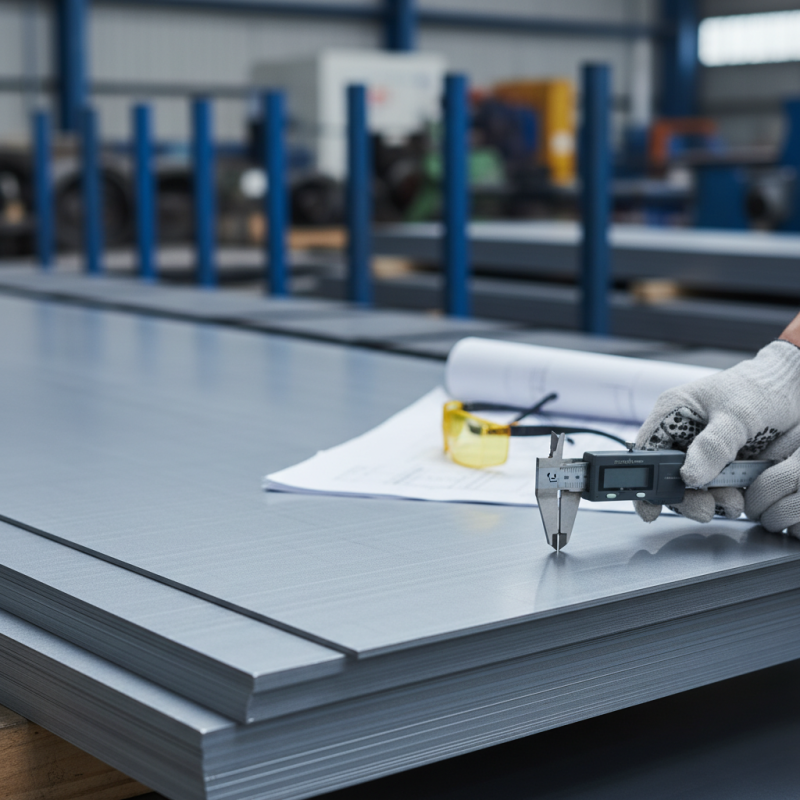
Thickness is another vital factor. Measure accurately to ensure consistency. Variations can impact strength and performance. A sheet that seems perfect may not bear weight as expected. Be wary of misleading measurements. Consider checking with professionals for exact specifications.
Furthermore, check the material's mechanical properties. Offers of high tensile strength are essential for durability. However, not all suppliers may meet these claims. Perform tests if possible. Unexpected failure can occur if quality is overlooked. Always review certifications when purchasing. Quality assurance should never be an afterthought.
Different Applications and Industries Using Cold Rolled Sheets
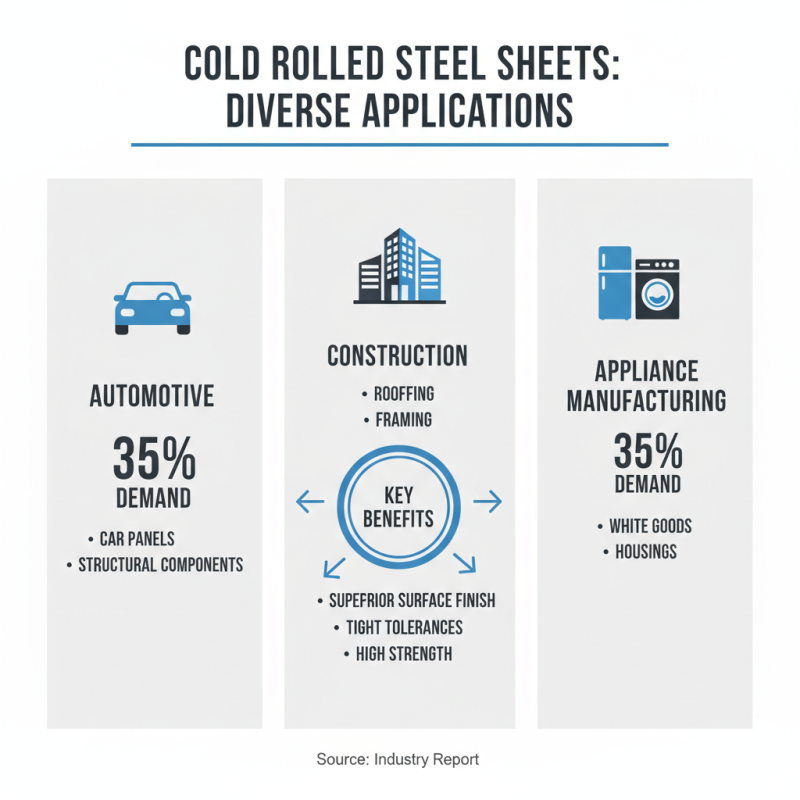
Cold rolled sheets are vital in various industries, including automotive, construction, and appliance manufacturing. The automotive sector accounts for about 35% of cold rolled sheet demand. These sheets provide excellent surface finish, tight tolerances, and high strength, making them suitable for car panels and structural components.
In construction, cold rolled sheets play a key role in framing and roofing. The construction industry is projected to grow by 5.0% annually, leading to increased demand for cold rolled products. These sheets can prevent corrosion, making them ideal for challenging environments. Moreover, their versatility allows for numerous applications, including HVAC ductwork and conduits.
When selecting cold rolled sheets, consider specific requirements. Assess the material thickness, surface finish, and mechanical properties. It is essential to evaluate the end-use. For instance, automotive applications require sheets with exceptional formability. Look for high-quality products that meet industry standards. Ensure you consult with suppliers about technical specifications. This practice can help avoid issues during production.
Comparing Cold Rolled Sheets with Other Steel Products
When choosing cold rolled sheets, it's crucial to compare them with other steel products. Cold rolled steel typically has a better surface finish than hot rolled steel. The thickness and accuracy of cold rolled sheets offer superior dimensional tolerances. According to a recent industry report, cold rolled products exhibit a yield strength of around 340 MPa, compared to 250 MPa for hot rolled alternatives. This strength makes cold rolled sheets preferable for applications requiring durability.
Tips for selecting cold rolled products include evaluating their surface quality. A smooth finish is essential for applications like automotive and appliance manufacturing. Additionally, consider the thickness you require. Cold rolled sheets are available in various gauges, often ranging from 0.3 mm to 3 mm. It's also vital to check mechanical properties, as these can differ significantly depending on the manufacturing process.
Cold rolled sheets can present challenges too. They are more prone to corrosion without proper protection. An industry study noted that about 20% of cold rolled sheet applications face corrosion issues early on. Ensure your choice supports your long-term needs. Ultimately, comparing cold rolled sheets with other options will lead you to the best material for your project.