Round Pipe Tips for Effective Use and Maintenance?
When using round pipes in various applications, proper techniques are crucial. Round pipes can serve many purposes, from plumbing to structural support. However, improper handling may lead to issues. Therefore, it's vital to understand how to use and maintain them effectively.
Round pipes come in different materials and sizes. Each type has unique properties requiring specific care. For example, metal pipes may corrode without proper treatments. Regular inspections can help detect such problems early. Small signs can lead to significant failures if ignored.
Ensuring effective use of round pipes involves awareness of their environment. Temperature changes can affect their integrity. Handling them with care prevents damage during transport. It's essential to know your project needs when selecting round pipes. Also, maintenance routines should be established to ensure longevity. This ensures lasting performance and safety.
Benefits of Using Round Pipes in Various Applications
Round pipes are widely used in various industries due to their versatility. They often exhibit higher strength-to-weight ratios compared to other shapes. For example, construction often leverages the strength of round pipes. The National Institute of Standards and Technology (NIST) states that round pipes can support more load with less material. This can lead to reduced costs in structural applications.
In fluid transport, round pipes excel because of their smooth interior surfaces. This design minimizes friction, enhancing flow rates. According to a recent report by the American Society of Mechanical Engineers (ASME), round pipes can increase flow efficiency by up to 25%. This improvement results in significant savings in energy and operational costs. However, it’s crucial to maintain these pipes properly. A lack of maintenance can lead to unexpected failures.
Despite their advantages, there are challenges with round pipes. Incorrect installation can compromise their integrity. In some cases, bending or warping can occur if the materials are not suited for specific applications. Industry experts recommend regular inspections to identify potential issues early. A proactive approach ensures optimal performance and longevity.
Round Pipe Tips for Effective Use and Maintenance
| Application |
Benefits |
Maintenance Tips |
| Plumbing Systems |
Durable, resistant to corrosion |
Regular checks for leaks, clear blockages |
| Construction |
Easier to handle and install |
Inspect joints and fittings periodically |
| HVAC Systems |
Efficient airflow |
Clean ducts regularly to ensure efficiency |
| Industrial Applications |
High strength and pressure resistance |
Monitor for signs of wear and fatigue |
| Agricultural Use |
Flexible and versatile for various setups |
Inspect connections and seals regularly |
Essential Tools for Maintaining Round Pipes Effectively
Maintaining round pipes requires the right tools. These tools ensure efficiency and longevity. A pipe wrench is essential. It provides a firm grip while tightening or loosening pipes. Make sure to choose one that fits the size of your pipes. A good wrench makes a real difference in your work.
Another important tool is the pipe cutter. This allows you to make clean cuts. A clean edge prevents future leaks. When using a pipe cutter, apply even pressure. Avoid rushing the process. A smooth cut simplifies installation later.
Don’t forget about thread seal tape. It forms a watertight seal. Applying it correctly can prevent frustrating leaks. It's easy to overlook this step. Proper preparation can save time and hassle. Finally, always check for wear and tear on your tools. Regularly replacing worn tools will keep your maintenance efforts effective.
Round Pipe Maintenance Efficiency
Step-by-Step Guide to Installing Round Pipes Correctly
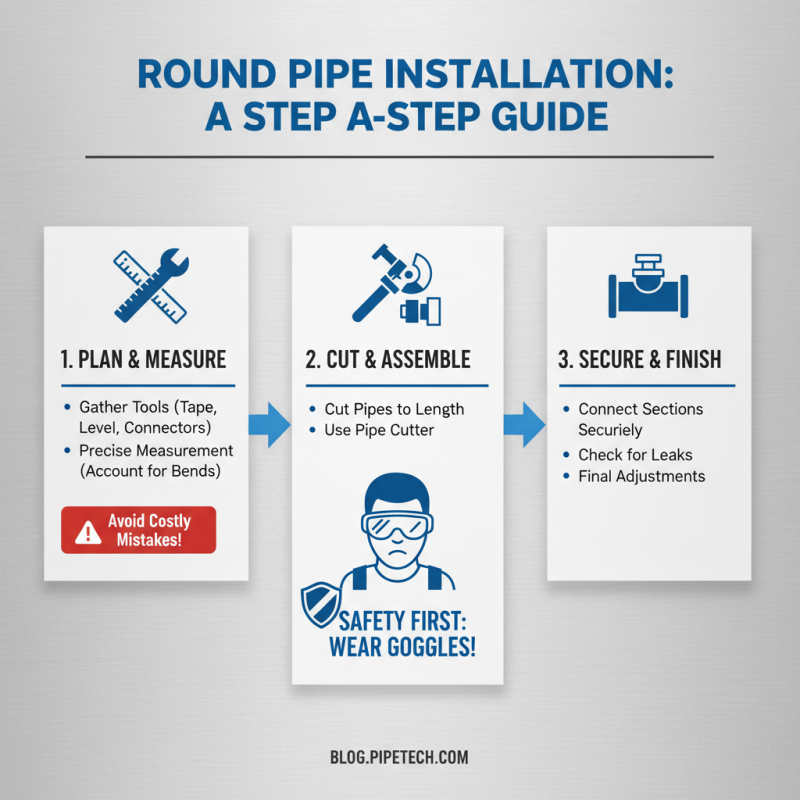
Installing round pipes requires careful planning and execution. Begin by gathering all necessary tools, including a measuring tape, a level, and connectors. Measure the area precisely. Ensure you account for any bends or fittings. Incorrect measurements can lead to costly mistakes. Once measured, cut the pipes to the desired lengths using a pipe cutter. It’s essential to wear safety goggles.
Next, fit the pipes together. Use connectors to join segments securely. Check that everything is level; a slight tilt can cause drainage issues later. If you're using adhesive, apply it evenly and let it rest as per the product instructions. Don’t rush this part. An even connection ensures durability and efficiency.
After installation, inspect for leaks. Run water through the system and observe closely. Look for any signs of drips. If you notice mistakes, it’s critical to address them immediately. For ongoing maintenance, periodically check connections and pipe integrity. A small issue can turn into a significant problem if overlooked. Stay vigilant and proactive.
Common Issues with Round Pipes and How to Address Them
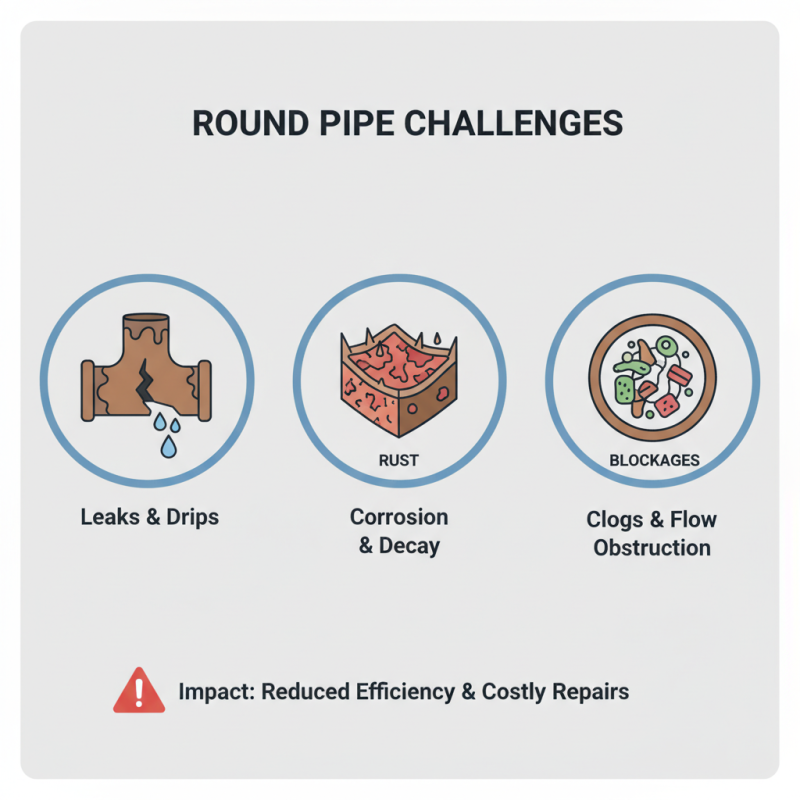
Round pipes can present various challenges over time, leading to inefficiencies. Common issues include leaks, rust, and blockages. These problems can hinder performance and need immediate attention.
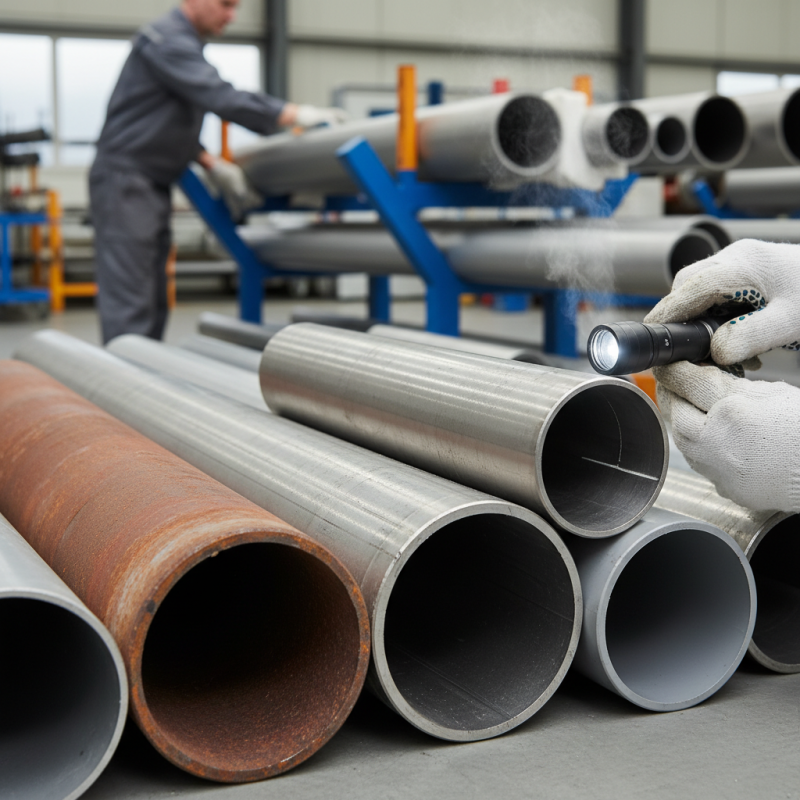
Leaks often occur at joints. A simple inspection can reveal these flaws. Use a flashlight to check under and around pipes. Look for any signs of moisture. Rust can develop on metal surfaces. Regular cleaning can help. However, it’s often overlooked. Think about applying a protective coating for longer-lasting results.
Blockages may arise from debris accumulation. Regularly check for any buildup. Using a straightforward method, like a plumber’s snake, can clear minor clogs. Additionally, consider routine maintenance. Schedule inspections to identify hidden problems. These steps may seem basic, yet they can prevent larger repairs down the line. Keeping round pipes in good shape requires constant vigilance and a willingness to address small issues before they grow.
Best Practices for Cleaning and Preserving Round Pipes
Maintaining round pipes effectively requires regular cleaning and careful preservation. Over time, dirt and grime can accumulate. This buildup can lead to corrosion. Use a soft cloth for daily dust removal. For deeper cleaning, a mild detergent mixed with warm water works well. Rinse thoroughly. Ensure no residue is left.
When it comes to preservation, consider the environment. High humidity can damage pipes. If outdoors, cover pipes when not in use. A tarp can provide protection from the elements. Inspect for any signs of wear and tear. Address issues promptly to avoid costly repairs.
Tips for effective maintenance: check for leaks regularly and tighten connections. It’s easy to overlook small issues. Consider applying a protective coating every few months. This can help extend the life of your pipes. Don't forget the importance of proper ventilation in storage areas. Good airflow can prevent moisture buildup.