How to Choose the Right Steel Pipe for Your Construction Projects
Choosing the right steel pipe for your construction projects is a critical decision that can significantly impact the overall success and durability of your structure. Steel pipes are widely used in various applications due to their strength, longevity, and versatility. However, with numerous options available in terms of sizes, grades, and finishes, making the right choice can be overwhelming. Understanding the specific requirements of your project, including load-bearing capacities, environmental factors, and life expectancy, is essential to ensure that you select the appropriate steel pipe that meets all necessary standards.
In this guidance on selecting steel pipes, we will explore the key factors that influence your choice. From the type of steel used to the pipe's dimensions and wall thickness, each aspect plays a vital role in the performance and reliability of your construction. Additionally, we will discuss how different steel pipe specifications can affect the installation process and overall project costs. By equipping yourself with the necessary knowledge and considerations, you can confidently make informed decisions that lead to successful and sustainable construction outcomes.
Types of Steel Pipes Commonly Used in Construction Projects
When selecting steel pipes for construction projects, understanding the various types available is crucial. Commonly used steel pipes include
seamless pipes,
welded pipes, and
galvanized pipes, each serving distinct purposes based on structural requirements and environmental conditions.
Seamless pipes, produced without a seam or weld, are often favored for their strength and durability, making them ideal for high-pressure applications. According to a report by the
International Pipe and Fittings Association, seamless pipes account for nearly
40% of the market due to their robust nature.
Welded pipes, on the other hand, are manufactured by rolling a flat sheet of steel into a cylindrical shape and welding the edges together. They are typically used for lower pressure applications and can be more economical than seamless pipes. Additionally,
galvanized pipes, coated with a layer of zinc to prevent corrosion, are popular for water supply lines and outdoor constructions, reflecting the increasing demand for
corrosion-resistant materials in urban development.
Tips: When choosing the right steel pipe, consider factors such as the pipe's intended use, environmental exposure, and pressure ratings. It’s also advisable to consult industry standards and specifications, such as those outlined by ASTM International, to ensure compliance and safety in your construction projects. Regularly review the latest market trends and material innovations to make informed decisions that enhance the longevity and performance of your structures.
Factors to Consider When Selecting Steel Pipes for Your Needs
When selecting steel pipes for construction projects, it’s essential to consider various factors that can significantly impact the overall success and safety of your endeavor. The primary considerations should include the type of steel used, the intended application of the pipe, and the environmental conditions it will face. According to a report by the American Iron and Steel Institute, over 50% of steel pipes are utilized in structural applications, and understanding the load requirements can help in determining the right specifications for your project.
Another critical factor is the pipe diameter and wall thickness, which must be compatible with your system’s design and pressure demands. For example, the American Society for Testing and Materials (ASTM) recommends specific standards that can guide you in selecting the appropriate sizing for various applications to ensure functionality and safety. Additionally, considering the external coating or treatment of the pipes can prevent corrosion, extending the lifespan of the materials.
**Tips:** Always conduct a thorough assessment of the environment where the pipes will be installed. Areas exposed to extreme weather conditions or corrosive substances may require additional protective measures. Consult with an expert to ensure compliance with local building codes and standards, as this can save you significant time and costs in the long run. Moreover, keeping abreast of industry advancements can inform your choices, as new materials and technologies come to market that may better meet your project's needs.
How to Choose the Right Steel Pipe for Your Construction Projects
| Pipe Type |
Diameter (inches) |
Wall Thickness (inches) |
Weight (lbs/ft) |
Usage |
| Carbon Steel Pipe |
2 |
0.154 |
2.27 |
Structural Applications |
| Galvanized Steel Pipe |
3 |
0.216 |
3.65 |
Water Supply Lines |
| Stainless Steel Pipe |
4 |
0.237 |
5.79 |
Food Processing Industries |
| PVC Coated Steel Pipe |
6 |
0.280 |
8.18 |
Outdoor Structures |
| Welded Steel Pipe |
8 |
0.322 |
12.59 |
Heavy-duty Applications |
Understanding Steel Pipe Specifications and Standards
When selecting the appropriate steel pipe for construction projects, understanding the specifications and standards is crucial. Steel pipes are manufactured in various grades and sizes, tailored to meet specific structural requirements. The specifications typically include parameters such as wall thickness, diameter, and yield strength, which are essential to ensure that the pipe can withstand the stresses of the intended application.
Standards set by organizations like ASTM or ISO help regulate the manufacturing processes and define the quality of materials used, ensuring that they meet required safety and performance criteria. These standards guide professionals in selecting pipes that are not only durable but also compliant with regional building codes. Familiarity with these specifications and standards allows construction managers and engineers to make informed decisions, ultimately leading to safer and more efficient construction practices.
Steel Pipe Specifications Comparison
This chart illustrates the yield strength of various steel pipe specifications commonly used in construction projects. Select the appropriate grade based on the structural requirements of your project.
Evaluating Cost and Budget Implications for Steel Pipe Selection
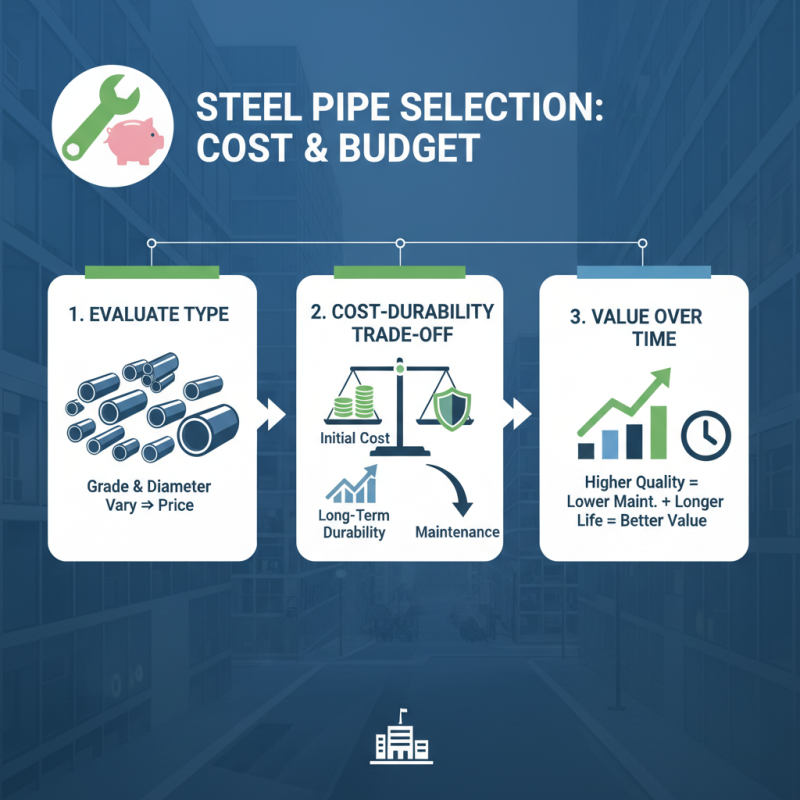
When selecting steel pipes for construction projects, understanding the cost and budget implications is crucial. The first step is to evaluate the type of steel pipe needed for the specific application, as different grades and diameters can significantly affect pricing. It's essential to weigh the potential trade-offs between initial costs and long-term durability. Higher-quality pipes may involve a greater upfront investment but often lead to lower maintenance costs and increased longevity, making them a better value in the long run.
Additionally, consider factors such as transportation costs, availability, and potential price fluctuations in the steel market. Budget constraints may require prioritizing certain aspects over others, such as opting for a slightly lower quality material that fits within the budget without vastly compromising safety or performance. Engaging with suppliers to obtain quotes and better understand delivery aspects will also contribute to a more accurate budget analysis. Taking the time to thoroughly assess these financial elements will help ensure the chosen steel pipes meet both project requirements and fiscal responsibilities.
Best Practices for Sourcing and Ordering Steel Pipes for Projects
When sourcing and ordering steel pipes for construction projects, several best practices can help ensure that you select the right materials for your needs. According to a report by the American Institute of Steel Construction (AISC), roughly 70% of construction failures can be traced back to material selection and sourcing issues. Given this statistic, it’s crucial to understand the specifications and quality standards of steel pipes—such as ASTM and API standards—before making a purchase. These standards dictate not only the dimensions and tolerances but also the mechanical and chemical properties of the pipes, influencing their durability and performance in various applications.
Additionally, it is essential to establish a reliable supply chain to avoid delays that can halt project progress. A study by the National Institute of Standards and Technology (NIST) suggests that disruptions in material sourcing can increase project costs by up to 20%. To mitigate this risk, construction managers should develop relationships with multiple suppliers who can guarantee timely delivery and high-quality materials. Utilizing digital platforms for procurement can also streamline the ordering process, allowing for easier comparison of prices and availability. With careful planning and informed sourcing strategies, construction projects can benefit from enhanced efficiency, reduced costs, and ultimately higher safety standards.