How to Choose the Right Seamless Pipe for Your Project?
Choosing the right seamless pipe for your project can be a daunting task. This decision significantly impacts safety and performance. According to a recent report by the Global Seamless Pipe Market Analysis, the demand for high-quality seamless pipes is expected to increase by 7% annually over the next five years. Industry expert, Dr. James Caldwell, states, "Selecting the correct seamless pipe is crucial; it can make or break a project."
Seamless pipes are essential in industries such as oil and gas, construction, and manufacturing. Their uniform strength and resistance to high pressure make them highly sought after. However, consumers often overlook important factors like material type, size, and coating. Each project has unique requirements, which makes understanding these nuances vital.
The ambiguity in choosing seamless pipes often leads to costly mistakes. For instance, using the wrong grade can result in premature failure. Awareness and education about specifications, manufacturing processes, and application requirements are necessary. A well-informed choice benefits not only project execution but also long-term operational efficiency.
Understanding the Basics of Seamless Pipes
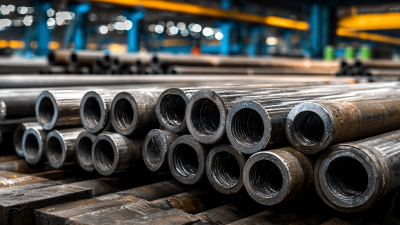
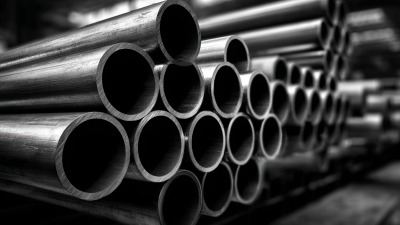
When choosing seamless pipes, understanding their basics is crucial. Seamless pipes are manufactured without joints, which makes them strong and less likely to leak. They are ideal for high-pressure applications. The lack of seams enhances their durability.
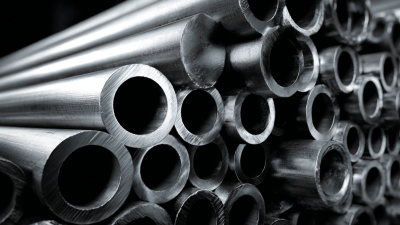
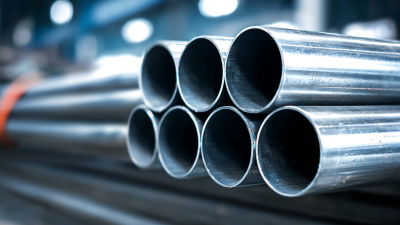
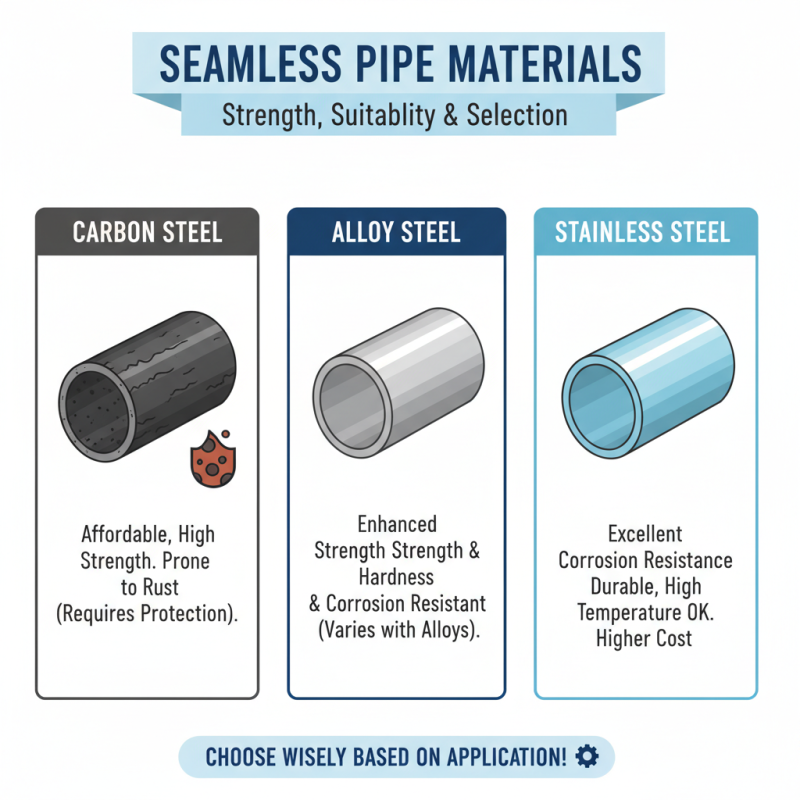
There are several materials used in seamless pipe production. Common options include carbon steel, stainless steel, and alloy steel. Each material has unique properties. For example, stainless steel can resist corrosion. On the other hand, carbon steel is known for its strength. Knowing these differences can impact your project decisions.
It's essential to consider the pipe's dimensions as well. Wall thickness and diameter play vital roles in performance. Choosing the wrong specifications can lead to project delays. Also, don't forget to reflect on your project's specific needs. This process can be challenging, yet it is necessary for long-term success. An informed choice can save time and resources later on.
Factors to Consider When Selecting Seamless Pipes
Selecting the right seamless pipe for your project involves several critical considerations.
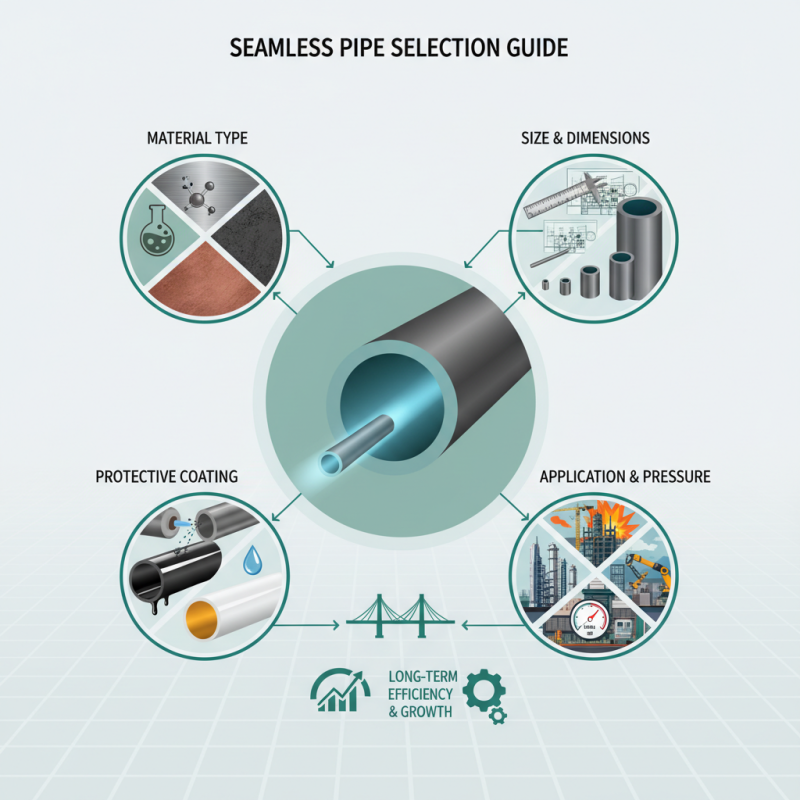
First, assess the material type. Factors like corrosion resistance and strength play a vital role in your choice. Common materials include stainless steel, carbon steel, and alloy steel. Each has unique properties suitable for specific applications.
Tip: Always match the pipe material with environmental conditions. For example, use stainless steel in corrosive settings.
Next, consider the pipe diameter and thickness. These dimensions impact flow rates and pressure handling. Larger diameters may be necessary for high-capacity systems, while thickness ensures durability. Take precise measurements to avoid any fitting issues.
Remember that standards matter. Check compliance with industry regulations. Each project may have specific certifications required. This ensures quality and reliability in the final product.
Tip: Don’t skip the testing phase before installation. Testing welds and joints can prevent future leakages.
Understanding these factors thoroughly can transform your project outcome. Avoid rushing into decisions. Take the time to evaluate options carefully.
Comparison of Materials Used in Seamless Pipe Manufacturing
When selecting seamless pipes, understanding the materials used in their manufacturing is critical. Common materials include carbon steel, alloy steel, and stainless steel. Each material has unique properties that affect performance and application suitability. Carbon steel is often preferred for its strength and affordability. However, it can rust without proper protection.
Alloy steel offers enhanced strength and resistance to high temperatures. This makes it a good choice for industrial applications. On the other hand, stainless steel is known for its corrosion resistance. It is commonly used in environments with high moisture or corrosive substances. Each type has its pros and cons that require careful consideration.
Choosing the right material also depends on the project requirements. Some projects may demand pipes that withstand extreme pressure. Others might prioritize resistance to corrosive chemicals. Reflecting on project-specific needs helps ensure the correct choice is made. Even minor oversights in material selection can lead to significant issues later in the project. Understanding these nuances is essential.
Analyzing the Requirements of Your Specific Project
Choosing the right seamless pipe for your project hinges on understanding its specific requirements. Each project has unique criteria that dictate the size, material, and pressure standards necessary for optimal performance. Start by determining the intended application. For instance, high-pressure applications need thicker walls, while chemical transport requires corrosion-resistant materials.
**Tips:** Always assess the environmental conditions. Extreme temperatures and exposure to certain elements can affect pipe integrity.
Budget constraints also play a critical role. Seamless pipes can vary greatly in cost based on factors like material and manufacturing methods. It’s essential to find the balance between quality and affordability. Consider potential installation and maintenance costs, as these can accumulate over time.
**Tips:** Consult industry experts when in doubt. Their insights can save you time and money in the long run.
In any case, failure to analyze your project requirements can lead to costly mistakes. Think critically about how each specification may influence overall performance. An inadequate choice may not be immediately apparent but can result in significant issues later on.
Seamless Pipe Selection - Project Requirements Analysis
Tips for Sourcing and Quality Assurance in Seamless Pipes
When sourcing seamless pipes, quality assurance is crucial. Start by assessing the materials used in manufacturing. High-quality pipes often come from reputable mills. It’s important to verify the certifications and standards they adhere to, such as ASTM or ASME. These standards ensure that the pipes meet specific performance metrics and safety requirements.
Inspecting the pipes before purchase is important. Look for any visible defects or irregularities. Sometimes, even certified pipes may have minor flaws that could affect their performance. It can be worthwhile to request samples or conduct testing to confirm their durability. Suppliers should be transparent about their manufacturing processes, as this builds trust.
Don't ignore the importance of supplier relationships. Establishing a reliable connection with your supplier can lead to better service and quality assurance. Regular communication can help you stay informed about new products or changes in quality control processes. Be prepared to compare different offers, and always be critical of their promises. This approach can lead to better outcomes for your projects in the long run.
How to Choose the Right Seamless Pipe for Your Project? - Tips for Sourcing and Quality Assurance in Seamless Pipes
| Dimension |
Material |
Pressure Rating (PSI) |
Wall Thickness (inches) |
Applications |
| 1/2" |
Carbon Steel |
2000 |
0.109 |
Oil & Gas |
| 3/4" |
Stainless Steel |
1500 |
0.113 |
Chemical Processing |
| 1" |
Alloy Steel |
2500 |
0.133 |
High-Pressure Applications |
| 1-1/4" |
Carbon Steel |
3000 |
0.140 |
Construction |
| 2" |
Stainless Steel |
2000 |
0.154 |
Food Industry |