How to Choose the Right Round Pipe for Your Project Needs?
Choosing the right round pipe for your project is crucial. It can greatly affect functionality and durability. Round pipes come in various materials and sizes. Each type has unique properties that suit different applications.
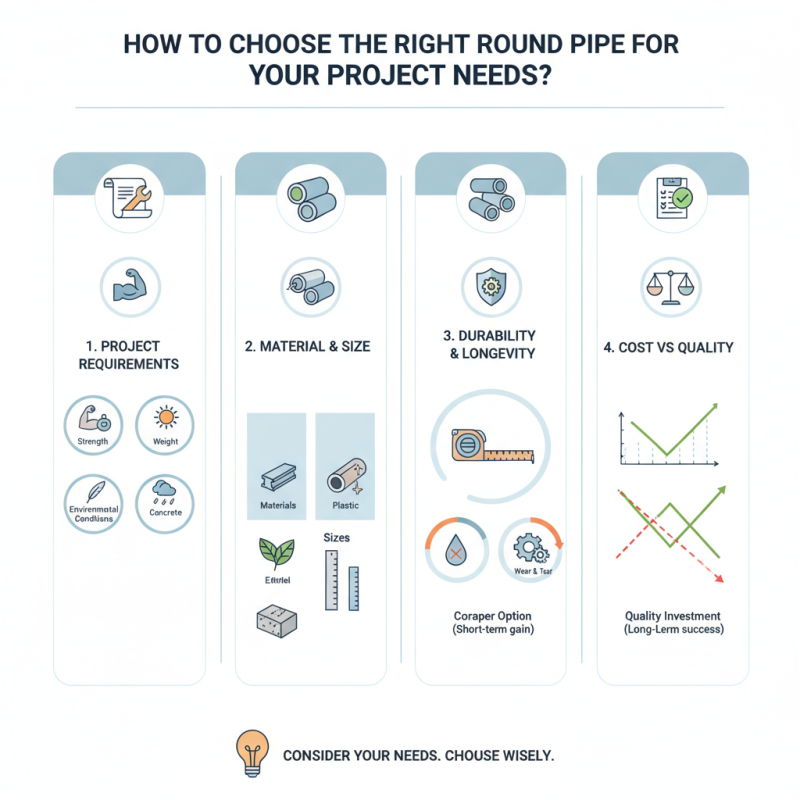
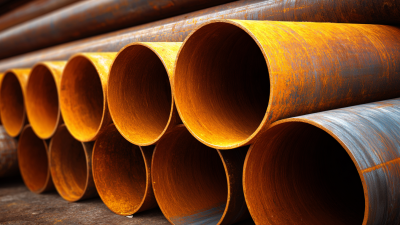
When selecting a round pipe, consider the project's requirements. Think about the required strength, weight, and environmental conditions. For instance, a lightweight plastic round pipe may work well indoors. However, for outdoor projects, a sturdy metal pipe is often better. Keep in mind the potential for corrosion or wear over time.
It's also essential to evaluate the cost versus quality. Cheaper options might save money initially, but they can lead to issues later. A well-chosen round pipe can lead to successful project completion. Be mindful of potential mistakes in your choice. Reflect on your needs, and take your time in making decisions. They can impact the overall success of your project.
Understanding the Different Materials Used for Round Pipes
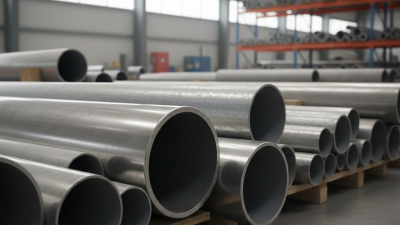
When selecting round pipes for your project, understanding the materials available is crucial. Round pipes are made from various materials, including steel, PVC, and copper. Each material has unique properties that suit different project requirements. For example, galvanized steel pipes are durable and resist corrosion, making them ideal for outdoor uses. In contrast, PVC pipes are lighter and easier to install, but they may not handle extreme temperatures.
According to the International Pipe Trade Association, the market for pipe materials continues to grow. It's projected that global demand for PVC pipes will reach $90 billion by 2026. This growth emphasizes the need to choose materials that align with longevity and cost-effectiveness.
Tip: Always consider the environment in which the pipe will be used. If the project involves chemicals or extreme temperature changes, choose materials wisely. It's essential to evaluate installation costs alongside material durability.
Another factor is the pipe’s weight. Heavier pipes may require more labor for installation, raising overall costs. However, they often provide better longevity and strength. Choose wisely to balance short-term costs with long-term benefits.
Assessing Pipe Sizes and Dimensions for Your Specific Project
Choosing the right round pipe for a project is crucial. Assessing the necessary sizes and dimensions is essential for functionality. Different projects require different specifications. For example, a plumbing project may need wider pipes compared to an HVAC installation. The pipe size can determine fluid flow and efficiency.
Understanding the diameter and wall thickness is vital. A larger diameter may seem better but can lead to inefficiencies in smaller systems. Thickness affects durability and pressure resistance. It's essential to reflect on whether your current choice meets project demands. Make sure to consider the material type as well. Each material behaves differently under stress, temperature, and pressure.
Measuring accurately cannot be overlooked. An incorrect size can lead to leaks, bursts, or other failures. It might be helpful to create a mock-up or a prototype. This step can reveal unexpected issues with size and fit. Regular feedback from stakeholders ensures the right decision-making process. Always question whether the selected size brings true benefit or complicates the project.
Evaluating Pressure Ratings and Their Importance in Pipe Selection
When selecting a round pipe for your project, pressure ratings are crucial. These ratings indicate the maximum pressure the pipe can handle safely. Understanding them helps prevent failures that could lead to costly damages or safety risks. For example, a pipe with a lower pressure rating might not be suitable for high-pressure environments. Therefore, always check the specifications before making a decision.
Evaluating the pressure ratings involves scrutinizing the materials used. Different materials, such as PVC, steel, or copper, have varying strength levels. You should consider not just the immediate use but also future needs. Overestimating your requirements can lead to unnecessary costs, while underestimating can result in system failures. Consulting industry guidelines can provide clarity, but be aware that they are not one-size-fits-all solutions. Reflect on your project's unique demands, as assumptions can lead to oversight.
Exploring Connection Methods and Their Suitability for Round Pipes
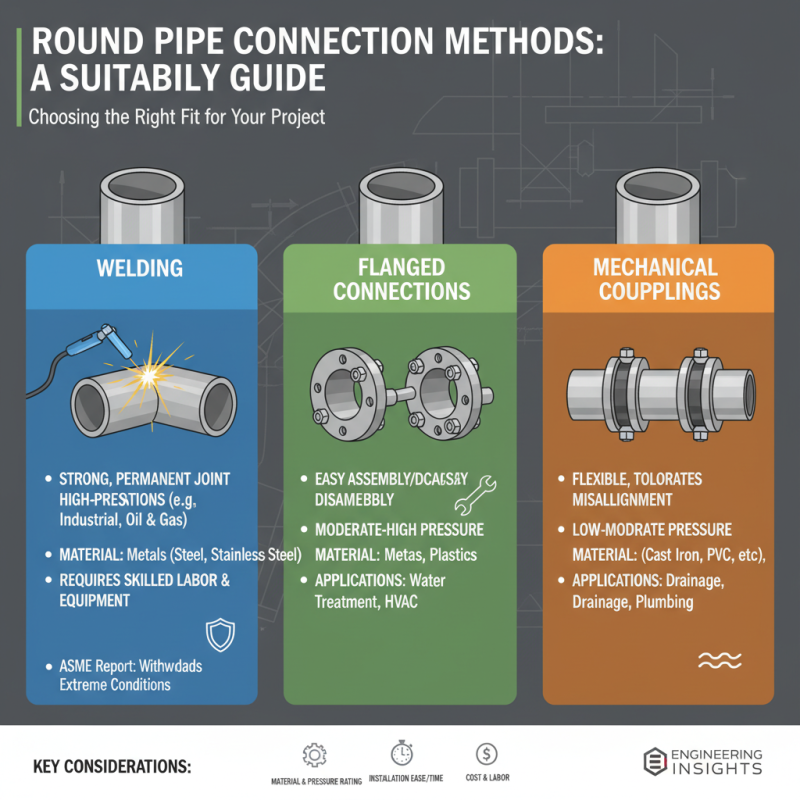
Choosing the right connection method for round pipes is crucial in ensuring the integrity and efficiency of your project. The choice often depends on the materials and the application. For instance, welding provides a strong joint, ideal for high-pressure applications. A report from the American Society of Mechanical Engineers shows welded connections can withstand extreme conditions but require skilled labor.
Alternative methods exist, such as flanged connections and threaded joints. Each has its unique advantages. Flanged connections are easier to install and disassemble. According to industry data, they account for 30% of all joint types used in industrial settings. On the other hand, threaded joints are somewhat limited in their maximum diameter but are useful for smaller pipes where space is constrained.
However, selecting a method isn't just about strength or ease of installation. It requires consideration of the environment and potential stress factors. For example, temperature fluctuations can affect the performance of certain connections. A detailed analysis from the International Metalworking Federation highlights that improper connection choices can lead to safety risks and expensive operational downtime.
Identifying Common Applications of Round Pipes in Various Industries
Round pipes are vital in multiple industries, including construction, automotive, and manufacturing. In construction, they are used for structural support and plumbing. In the automotive sector, round pipes serve as exhaust systems. Each industry demands specific material qualities.
When selecting a pipe, consider the material. Metal pipes provide strength and durability, while plastic pipes are lighter and resistant to corrosion. This choice affects the project’s long-term performance.
Tips: Ensure you analyze the environment where pipes will be placed. Exposure to harsh weather can lead to wear. Choose materials accordingly. If unsure, consulting with an expert can provide guidance tailored to your needs. Understand your project's load requirements. Overestimating can result in wasted resources, while underestimating poses risks. These considerations are crucial for successful implementation.