2026 How to Choose the Right Carbon Steel Pipe for Your Needs?
When it comes to choosing the right Carbon Steel Pipe, expert insights can make all the difference. John D. Miller, a seasoned industry analyst, states, “Selecting the right Carbon Steel Pipe is crucial for ensuring durability and performance.” This statement underscores the importance of understanding various factors that influence the selection process.
Carbon Steel Pipes offer versatility in a range of applications, making them a popular choice among engineers and contractors. However, the variety of grades and specifications can be overwhelming. Consideration of your specific project needs is essential. Factors like pressure requirements, chemical exposure, and temperature range must all be evaluated.
Customers often overlook the importance of these elements, which can lead to subpar outcomes. It is vital to examine the purpose of the pipe in your project closely. Each decision impacts not only the cost but also the long-term reliability of the piping system. Engage with experts to make informed choices that enhance the sustainability and efficiency of your project.

Understanding Carbon Steel Pipe Types and Grades
When choosing carbon steel pipes, understanding their types and grades is crucial. Carbon steel pipes come in various categories: structural, API, and mechanical. The American Society for Testing and Materials (ASTM) classifies these materials based on their composition and performance characteristics. For example, ASTM A106 is suitable for high-temperature service, while ASTM A53 is commonly used in general piping applications. Each grade has specific attributes that impact strength, weldability, and corrosion resistance.
Different grades reflect variations in carbon content. Pipes with higher carbon percentages, like A333, exhibit better strength but may lack flexibility. Conversely, lower carbon grades such as A500 offer improved ductility. Industry reports indicate that about 30% of failures in carbon steel applications are due to improper material selection. Understanding these nuances can help reduce project risks.
While data on the properties of carbon steel pipes guides choices, practical aspects matter too. Not all projects require top-tier grades. Sometimes, a lower grade suffices, saving costs without compromising safety. However, it’s vital to reflect on the specific service conditions and load requirements. A mismatch can lead to costly mistakes, emphasizing the importance of thorough planning in material selection.
Key Factors to Consider When Selecting Carbon Steel Pipes
Choosing the right carbon steel pipe requires careful consideration of several key factors. One major aspect is the pipe's intended use. For example, pipes used in high-pressure environments need to meet specific strength standards. According to the American Society for Testing and Materials (ASTM), pipes must adhere to the relevant specifications to ensure safety and durability.
Another critical factor is the pipe's diameter and wall thickness. These dimensions can significantly affect flow rates and pressure resistance. Research indicates that a reduction in pipe diameter can lead to increased turbulence and friction loss. Understanding the impact of these parameters is essential when designing systems that rely on carbon steel pipes.
Corrosion resistance is another crucial consideration. The choice between different grades of carbon steel, such as low and high carbon, can affect performance. Low carbon options may offer better weldability, but they could be less durable in corrosive environments. Adequate treatment and protective coatings can mitigate these issues, yet they add to the overall cost. Balancing these factors is not straightforward, leading to decisions that may need reevaluation after application testing.
2026 How to Choose the Right Carbon Steel Pipe for Your Needs?
| Key Factor |
Description |
Recommended Standard |
| Material Grade |
Select the grade based on strength, corrosion resistance, and application. |
ASTM A106, A53 |
| Pipe Size |
Consider the diameter and wall thickness to ensure proper flow rates. |
Schedule 40, Schedule 80 |
| End Connections |
Choose the appropriate connection type (threaded, welded) based on installation requirements. |
NPT, Socket Weld |
| Corrosion Resistance |
Evaluate the environment in which the pipe will be used to determine if coatings are necessary. |
API 5L, NACE compliant |
| Temperature and Pressure Ratings |
Ensure the pipe can withstand the operating temperature and pressure in its application. |
B31.3, B31.8 |
Comparing Applications of Carbon Steel Pipes Across Industries
Carbon steel pipes are vital in various industries, each with unique requirements. In construction, they provide structural support and carry fluids. For plumbing, they ensure water flow and resist corrosion. Each application demands different specifications, such as size, thickness, and grade.
In the automotive sector, carbon steel pipes are used for exhaust systems and fuel lines. Their strength and durability help withstand high temperatures and pressures. Meanwhile, in oil and gas, these pipes transport crude oil and natural gas effectively. They must endure harsh environmental conditions and pressure fluctuations.
However, the choice of carbon steel pipe isn’t always straightforward. Different grades offer varying levels of resistance to corrosion and temperature changes. It can be challenging to select the best one for a specific task. Consulting with industry specialists can be helpful. Understanding the trade-offs in strength, flexibility, and cost is crucial for making informed decisions.
Applications of Carbon Steel Pipes Across Industries
Evaluating Budget and Cost Considerations for Carbon Steel Pipes
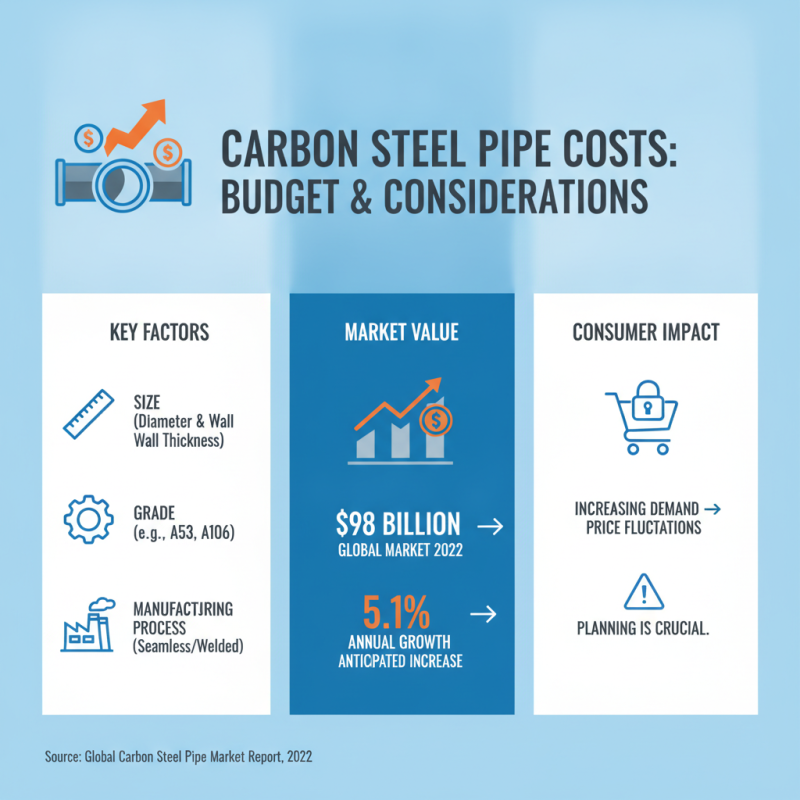
When evaluating budget and cost considerations for carbon steel pipes, it's vital to understand the core factors influencing pricing. Carbon steel pipes vary widely in cost depending on factors such as size, grade, and manufacturing process. Reports suggest that the global carbon steel pipe market was valued at approximately $98 billion in 2022, with an anticipated growth rate of 5.1% annually. This information underscores the increasing demand and corresponding price fluctuations that consumers may face.
Material expenditures make up a significant portion of project costs. For example, the price of carbon steel has been reported to fluctuate between $600 and $1,000 per ton, depending on market conditions. This means that budgeting for carbon steel pipes involves forecasting not just the base material costs but also potential price hikes. Additionally, procurement practices can impact overall costs. Buying in bulk may yield discounts but could create storage issues or cash flow challenges.
Installation and maintenance costs also contribute to the total expenditure. Professional installation may add 20%-30% to initial spending. Regular inspections and maintenance are essential to avoid costly repairs later. While it may seem cheaper to opt for low-grade pipes to save money upfront, the potential for rapid deterioration can lead to higher long-term costs. Thus, understanding these diverse factors is crucial for making informed decisions.
Maintenance and Longevity of Carbon Steel Pipes in Use
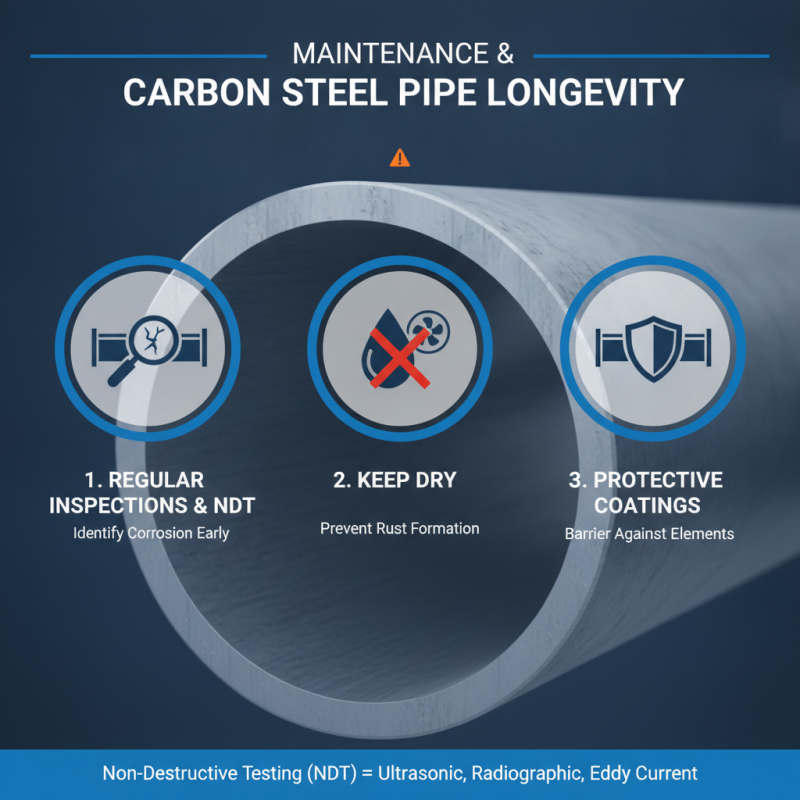
When using carbon steel pipes, maintenance is crucial for ensuring their longevity. Regular inspections help identify signs of corrosion. Consider using non-destructive testing methods to detect issues before they escalate. Rust can form quickly if pipes are exposed to moisture. Keeping the area around pipes dry is important.
Cleaning the pipes is also necessary for optimal performance. Remove debris and contaminants that can contribute to rust formation. Using protective coatings can provide an extra layer of defense. However, some coatings may require periodic reapplication, which adds to maintenance efforts.
While carbon steel pipes are durable, they are not immune to degradation. Over time, wear and fatigue can compromise their integrity. It's essential to develop a maintenance schedule tailored to your specific conditions. Regular checks can save you from costly repairs or replacements down the line.