How to Choose the Right Metal Sheets for Your Project?
Choosing the right metal sheets for your project can be challenging. John Steele, a leading expert in the metal industry, emphasizes, "Selecting the proper metal sheets is crucial for success." This reflects a universal truth, yet many overlook important factors.
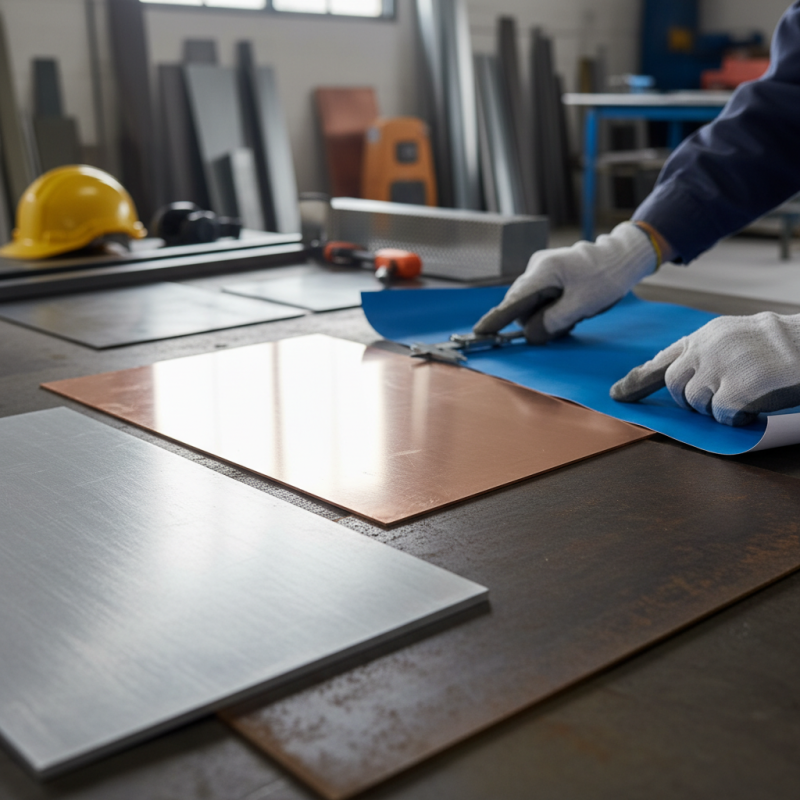
Metal sheets come in various types, such as aluminum, steel, and copper. Each serves different purposes. Aluminum panels are lightweight and resistant to corrosion. Steel sheets offer strength and durability for heavy-duty applications. Knowing the specific requirements can make a significant difference.
Many people make common mistakes. They often focus only on price, neglecting quality and performance. It is vital to assess your project's needs carefully. Remember, there's no one-size-fits-all solution. Choosing the wrong type can lead to costly setbacks. Consider durability, weight, and finish in your decision-making process. Understanding these aspects helps in selecting the best metal sheets for your needs, paving the way for a successful project.
Factors to Consider When Selecting Metal Sheets for Projects
When selecting metal sheets for your project, several factors must be taken into account. The type of metal is crucial.
Aluminum, steel,
and copper each have unique properties.
Aluminum is lightweight and resistant to corrosion, making it ideal for outdoor applications.
Steel is strong and durable but prone to rusting if not treated.
Copper has excellent conductivity, often used in electrical applications.
Thickness is another essential consideration. It affects strength and weight. Thicker sheets can bear heavier loads but are harder to work with.
On the other hand, thinner sheets are easier to manipulate but may not provide the necessary support. The intended use also influences your choice.
Will the metal be exposed to harsh environments? Understanding the project’s environment helps in selecting the right type.
Finally, surface finish plays a role. Different finishes can change the metal's appearance and performance.
Polished surfaces may look appealing but could scratch easily. Consider the aesthetic and functional needs of your project.
Be aware of these factors to avoid costly mistakes. Making an informed choice now can save time and resources later.
Understanding Different Types of Metals: Aluminum, Steel, and More
When selecting metal sheets for any project, the type of metal is crucial. Aluminum is popular due to its lightweight nature. It resists corrosion well and is easy to work with. Projects like signage and kitchenware often use aluminum. However, it can be less durable than other metals.
Steel, on the other hand, is known for its strength. It suits structural applications and heavy-duty projects. Yet, it requires more surface treatment to prevent rust. Stainless steel offers corrosion resistance and is ideal for food-related applications. But it can be more expensive and harder to cut.
Choosing the right metal isn’t just about properties. Consider the environment it will face. What’s the atmosphere like? Will it be exposed to moisture or extreme temperatures? Think about your tools too; some metals need specialized equipment. Mistakes can happen if you don’t plan. Always double-check your choices.
How to Choose the Right Metal Sheets for Your Project?
| Metal Type |
Weight (lbs per square foot) |
Corrosion Resistance |
Cost ($ per square foot) |
Uses |
| Aluminum |
2.5 |
High |
$3.00 |
Aerospace, Automotive, Packaging |
| Steel |
4.5 |
Moderate |
$2.50 |
Construction, Automotive, Appliances |
| Stainless Steel |
5.0 |
Very High |
$5.00 |
Food Industry, Medical Instruments |
| Copper |
8.9 |
Moderate |
$4.50 |
Electrical, Plumbing |
| Brass |
6.0 |
Moderate |
$6.00 |
Musical Instruments, Decorative Items |
Evaluating Thickness and Gauge for Structural Integrity
When evaluating the thickness and gauge of metal sheets, understanding structural integrity is crucial. Gauge is a measurement that indicates the metal's thickness. A lower gauge means a thicker sheet. For instance, a 10-gauge sheet is thicker than a 20-gauge one. This difference affects strength and weight. Thicker sheets bear heavier loads but may be harder to manipulate.
Choosing the right gauge involves balancing strength and weight. A project requiring durability may call for thicker sheets, while lighter applications might benefit from thin sheets. Always consider the demands on the metal. Real-life testing can also reveal unexpected results. If not enough thought is given to thickness, projects may falter under pressure.
It's also worth noting that some projects might not need the heaviest gauge available. Cost factors into the decision-making, as thicker sheets are generally more expensive. A careful evaluation can prevent overspending on materials. Reassessing your project requirements might uncover simpler solutions.
Assessing Corrosion Resistance and Coating Options Available
When selecting metal sheets for your project, corrosion resistance is crucial. Different metals react differently to various environments. Stainless steel, for example, resists rust due to its chromium content. However, even stainless steel can corrode under severe conditions.
Consider the environment where your metal will be used. High humidity or exposure to saltwater can increase corrosion risk.
Coating options are another factor. A powder coating adds an extra layer of protection against the elements. These coatings come in various colors and finishes, enhancing both durability and aesthetics. Some coatings can chip or wear over time, leaving the metal exposed. It's vital to choose a coating that suits your specific needs. Some projects may require a thicker layer for added durability, while others may not. Testing the durability of coatings under real conditions can reveal their strengths and weaknesses.
Cost-Effectiveness: Pricing Trends in Metal Sheet Materials
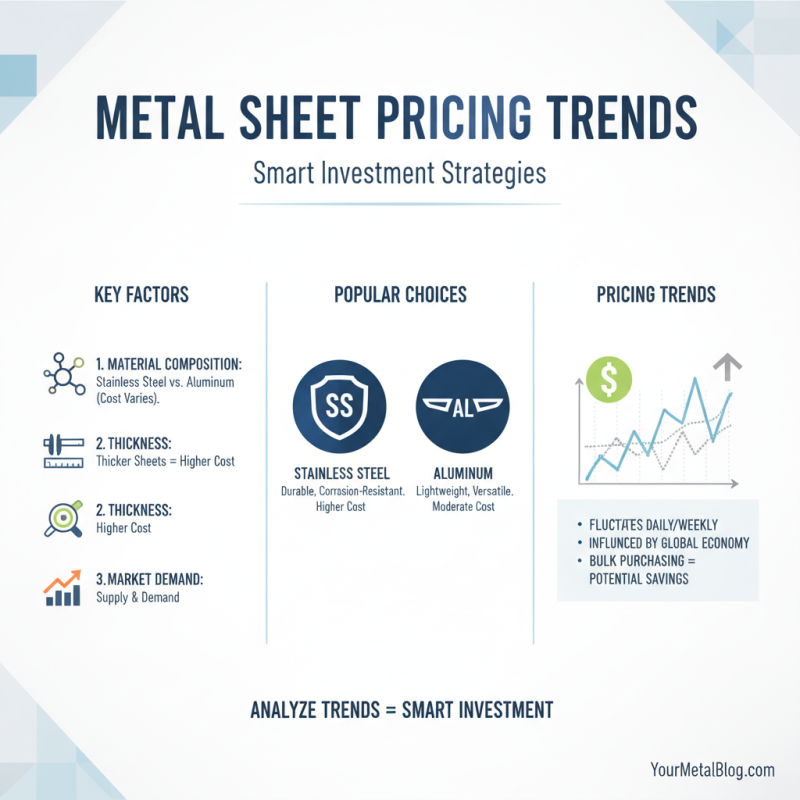
When selecting metal sheets, pricing trends play a crucial role. Pricing fluctuates based on material composition, thickness, and market demand. Stainless steel and aluminum are popular choices, but costs can vary widely. Analyzing these trends helps ensure you make a smart investment.
Tips: Always check local suppliers. They may offer competitive pricing compared to larger retailers. Don't overlook smaller batches. Sometimes buying less can save you money upfront.
Quality also impacts cost. Cheaper materials may seem appealing, but they often require more maintenance. This can lead to higher expenses in the long run. Balancing quality and price is essential.
Tips: Consider long-term use. If your project demands durability, investing more now can save later. Research the materials before purchasing. Understand their properties, such as corrosion resistance and weight.