Leave Your Message
Choosing the China Best Hot Rolled Steel Coils Supplier for Global Buyers requires more than comparing prices. It requires practical knowledge, verified production capacity, and dependable export experience. Hot rolled steel coils support construction, machinery, automotive parts, storage tanks, and many fabricated products. Their surface condition, thickness accuracy, chemical composition, and mechanical performance can directly affect downstream processing.
A reliable supplier should provide clear mill certificates, heat numbers, inspection records, and product dimensions. Buyers should also confirm compliance with recognized standards, including ASTM, EN, and GB requirements. Factory audits, sample testing, and third-party inspections can reveal details that sales brochures often miss. A coil may look acceptable at a port warehouse, yet show edge cracks, excessive rust, or uneven winding during fabrication.
Port access matters. So do loading methods, packaging quality, delivery schedules, and communication across time zones. Experienced suppliers usually explain tolerances, minimum order quantities, payment terms, and possible production limitations before accepting an order. That transparency reduces avoidable surprises.
No supplier is perfect.
Even experienced mills can face delays, raw material changes, or inspection disputes. The stronger partners respond quickly, document corrective actions, and protect traceability from production to shipment. This introduction examines how global buyers can evaluate Chinese suppliers through quality evidence, technical support, commercial reliability, and long-term service. The goal is not to promise the cheapest coil. It is to identify a supplier capable of delivering consistent Hot Rolled Steel Coils for real operating conditions. Careful comparison still matters, because one overlooked tolerance can become a costly production problem.
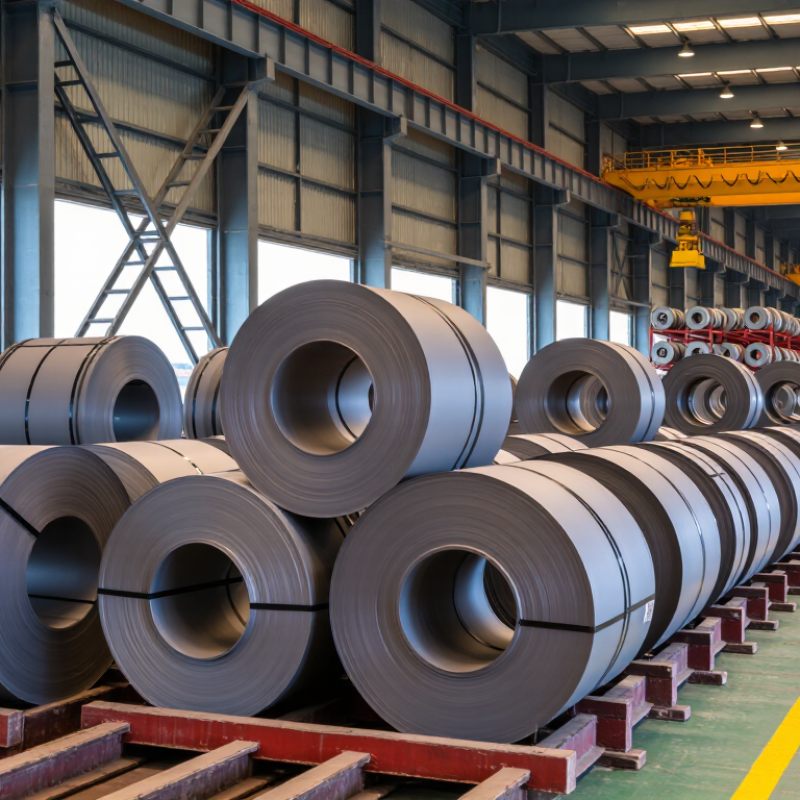
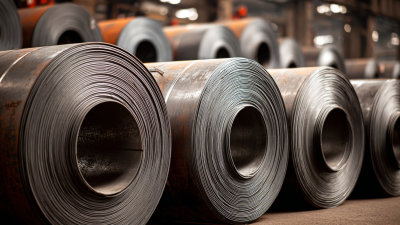
Hot rolled steel coils are produced by rolling slabs above their recrystallization temperature. This process creates wide, workable sheets with a mill scale surface. Their strength, ductility, and cost efficiency make them practical for demanding industries. Common grades support structural frames, railway components, storage tanks, agricultural equipment, and heavy machinery. Thickness, coil weight, chemical composition, and surface condition should match the final application.
Industrial buyers often choose hot rolled coils for parts that need forming, welding, or machining. Automotive brackets, construction beams, pipes, and ship components are typical examples. However, hot rolled steel is not automatically suitable for every project. Surface scale may require pickling, grinding, or additional coating. In my experience, small differences in carbon content can affect welding performance and bending results. A reliable supplier should provide mill test certificates, dimensional reports, production traceability, and clear export documentation. Buyers should also confirm loading methods, moisture protection, and inspection procedures before shipment.
Tips: Define the end use before selecting a grade. Check thickness tolerance, coil inner diameter, and maximum coil weight. Request sample documents and review them carefully. Do not rely on price alone. A lower quote may hide higher processing costs. Real conditions vary, and even a well-prepared specification can need revision after trial production.
| Data Dimension | Typical Specification or Value | Common Standards | Key Characteristics | Typical Industrial Applications |
|---|---|---|---|---|
| Manufacturing Process | Steel is reheated above its recrystallization temperature, commonly around 1,100–1,250°C, rolled to the required thickness, and coiled while hot. | Process parameters vary by mill and grade. | Efficient for producing large volumes of steel with a wide range of thicknesses and widths. | Structural products, machinery components, pipes, automotive parts, and general fabrication. |
| Typical Thickness | Approximately 1.2–25.4 mm | Specified by product standard and purchaser requirements. | Thicker gauges generally provide greater load-bearing capacity but require higher forming forces. | Heavy structural members, frames, bridges, industrial equipment, and welded assemblies. |
| Typical Coil Width | Approximately 600–2,000 mm | Width tolerance is controlled according to the applicable standard. | Slitting can convert wide coils into narrower strips for downstream processing. | Sheet cutting, blanking, tube production, roll forming, and component manufacturing. |
| Surface Condition | Black oxide scale, with possible levels of scale removal depending on processing. | Hot rolled products are commonly supplied in as-rolled condition or pickled and oiled condition. | As-rolled surfaces are suitable for many structural uses; pickling improves surface cleanliness before coating or forming. | Structural fabrication, machining, painting, galvanizing preparation, and further cold reduction. |
| Carbon Structural Steel | ASTM A36: minimum yield strength approximately 250 MPa; tensile strength approximately 400–550 MPa. | ASTM A36 | Weldable, widely available, and suitable for general structural work. | Building frames, base plates, brackets, supports, platforms, and general steel structures. |
| European Structural Steel | S235JR: minimum yield strength approximately 235 MPa; tensile strength approximately 360–510 MPa. | EN 10025-2 | General-purpose structural grade with good weldability and moderate strength. | Construction components, welded structures, machinery frames, and fabricated steel products. |
| Higher-Strength Structural Steel | S355JR: minimum yield strength approximately 355 MPa for thicknesses up to 16 mm; tensile strength approximately 470–630 MPa. | EN 10025-2 | Higher strength can reduce material weight in appropriately designed structures. | Heavy fabrication, cranes, transport equipment, bridges, pressure-free structural frames, and machinery. |
| High-Strength Low-Alloy Steel | ASTM A572 Grade 50: minimum yield strength approximately 345 MPa; minimum tensile strength approximately 450 MPa. | ASTM A572 | Combines improved strength with useful weldability when the correct procedures are followed. | Bridges, transportation equipment, towers, construction machinery, and structural assemblies. |
| Low-Carbon Forming Grade | Typical low-carbon hot rolled steel may contain approximately 0.04–0.10% carbon, depending on the grade and standard. | Various national and international specifications. | Good ductility and weldability; final properties depend on chemistry, thickness, and rolling practice. | General fabrication, stamped parts, brackets, enclosures, agricultural machinery, and welded components. |
| Mechanical Properties | Yield strength, tensile strength, elongation, impact toughness, and hardness are grade-specific. | ASTM, EN, JIS, GB/T, and other applicable standards. | Mechanical values must be confirmed using the selected grade, thickness range, and inspection certificate. | Load-bearing structures, safety-related components, pressure-free equipment, and engineered products. |
| Coil Weight | Common commercial coil weights range from approximately 5 to 30 metric tonnes, subject to mill capacity and transport limits. | Agreed in the purchase specification. | Higher coil weight improves line productivity but may require specialized lifting and handling equipment. | Continuous processing lines, service centers, slitting operations, and high-volume manufacturing. |
| Edge Condition | Mill edge or trimmed edge. | Defined by the order specification and applicable product standard. | Trimmed edges provide more consistent width; mill edges may be suitable where edge trimming occurs later. | Sheet cutting, slitting, tube forming, roll forming, and precision fabrication. |
| Pickled and Oiled Coil | Hot rolled scale is removed by acid pickling, followed by a light protective oil film. | Surface requirements are agreed between buyer and supplier. | Cleaner surface than standard black coil and improved short-term protection against atmospheric rust. | Automotive components, welded tubes, roll-formed sections, painting, and further processing. |
| Automotive Applications | Hot rolled steel is used where thickness, strength, and formability requirements are compatible with the selected grade. | Automotive material specifications or relevant international standards. | Suitable for structural and chassis-related parts; surface and dimensional requirements must be carefully controlled. | Chassis members, wheels, suspension parts, reinforcement components, and underbody structures. |
| Pipe and Tube Production | Coils are slit into strips and formed into welded pipes or hollow sections. | Product-specific pipe and tube standards. | Consistent width, weldability, thickness, and edge quality are important for stable forming and welding. | Structural tubes, fluid conveyance pipes, mechanical tubing, fencing, and construction sections. |
| Construction and Infrastructure | Structural grades are selected according to design loads, welding requirements, temperature conditions, and local regulations. | ASTM, EN, JIS, GB/T, and project-specific specifications. | Provides an economical material solution for large structural components and fabricated assemblies. | Buildings, warehouses, bridges, rail infrastructure, storage systems, towers, and industrial plants. |
| Quality Documentation | Typical documents include a mill test certificate, chemical analysis, mechanical test results, dimensional records, and inspection details. | EN 10204 inspection documentation may be requested for applicable orders. | Documentation supports traceability and verification of conformity with the purchase specification. | International procurement, regulated projects, engineering review, and quality assurance. |
| Packaging and Export Handling | Coils are commonly secured with steel straps and protected with moisture-resistant materials; eye orientation and skid support are specified for handling. | Packaging is agreed according to transport mode and destination requirements. | Proper packaging reduces handling damage, surface contamination, and moisture-related corrosion during transit. | Container shipping, breakbulk transport, warehouse storage, and international distribution. |