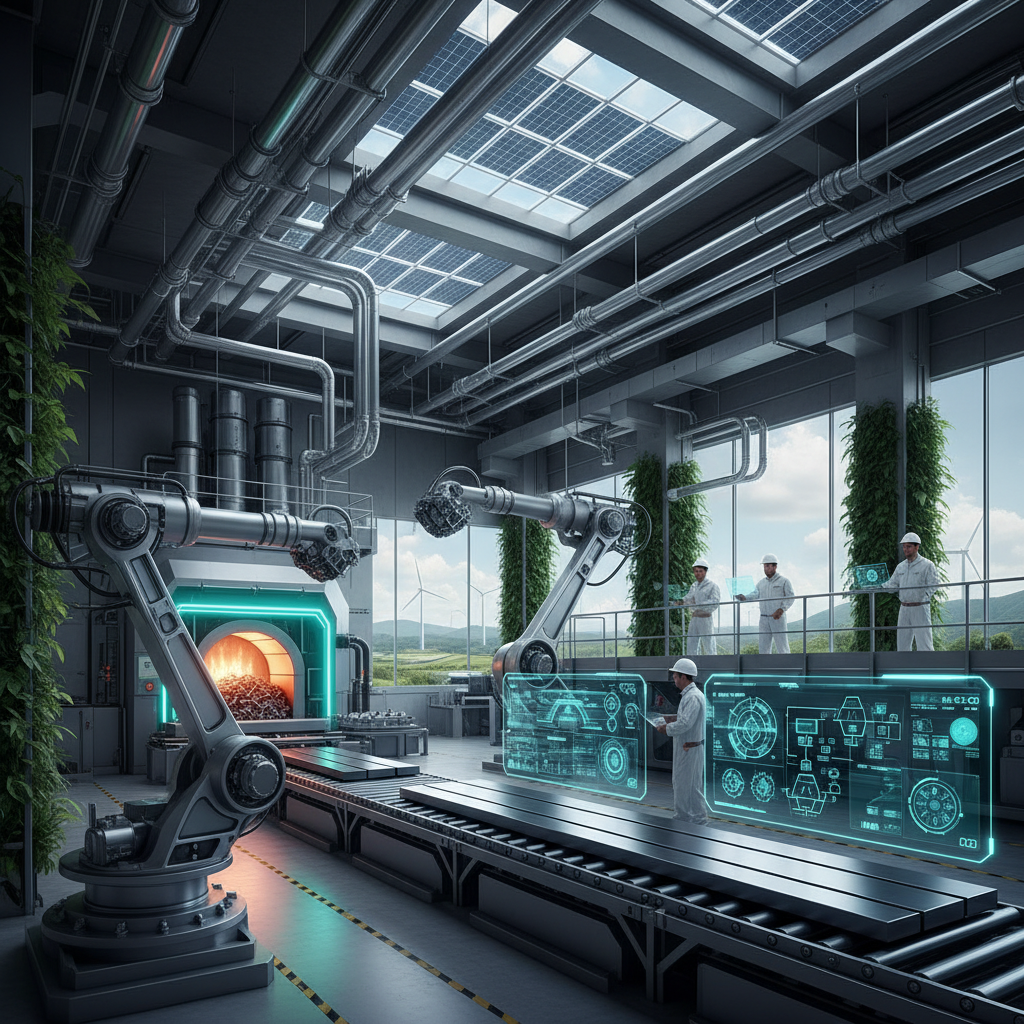
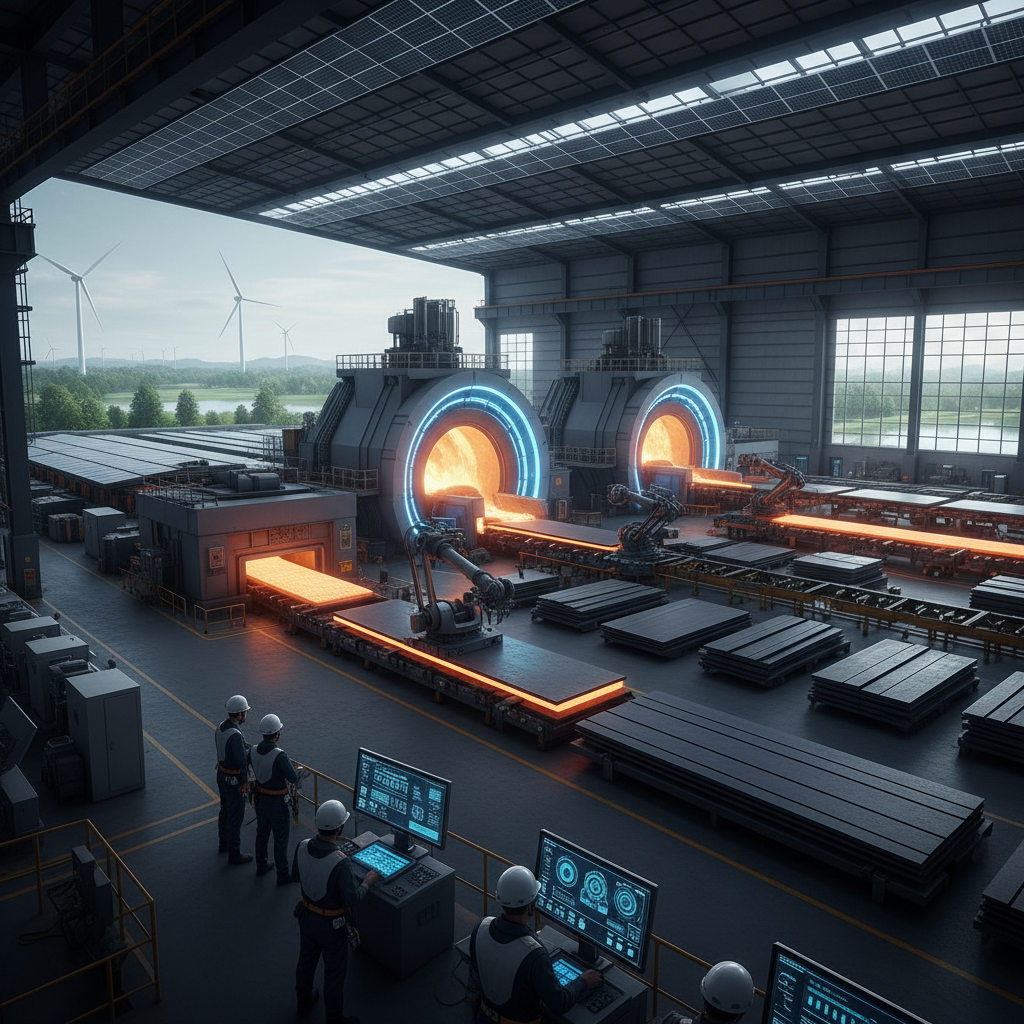
Top 5 Carbon Steel Plate Trends and Innovations to Watch in 2025
As we approach the year 2025, the landscape of carbon steel plate production and application is set to undergo significant transformation driven by innovative trends and technological advancements. According to the latest report from the International Steel Association, the global demand for carbon steel plates is projected to increase by 4.2% annually, reaching an estimated volume of 250 million tons by 2025. This surge is largely attributed to the expanding construction and automotive sectors, where the durability and versatility of carbon steel plates play a critical role.
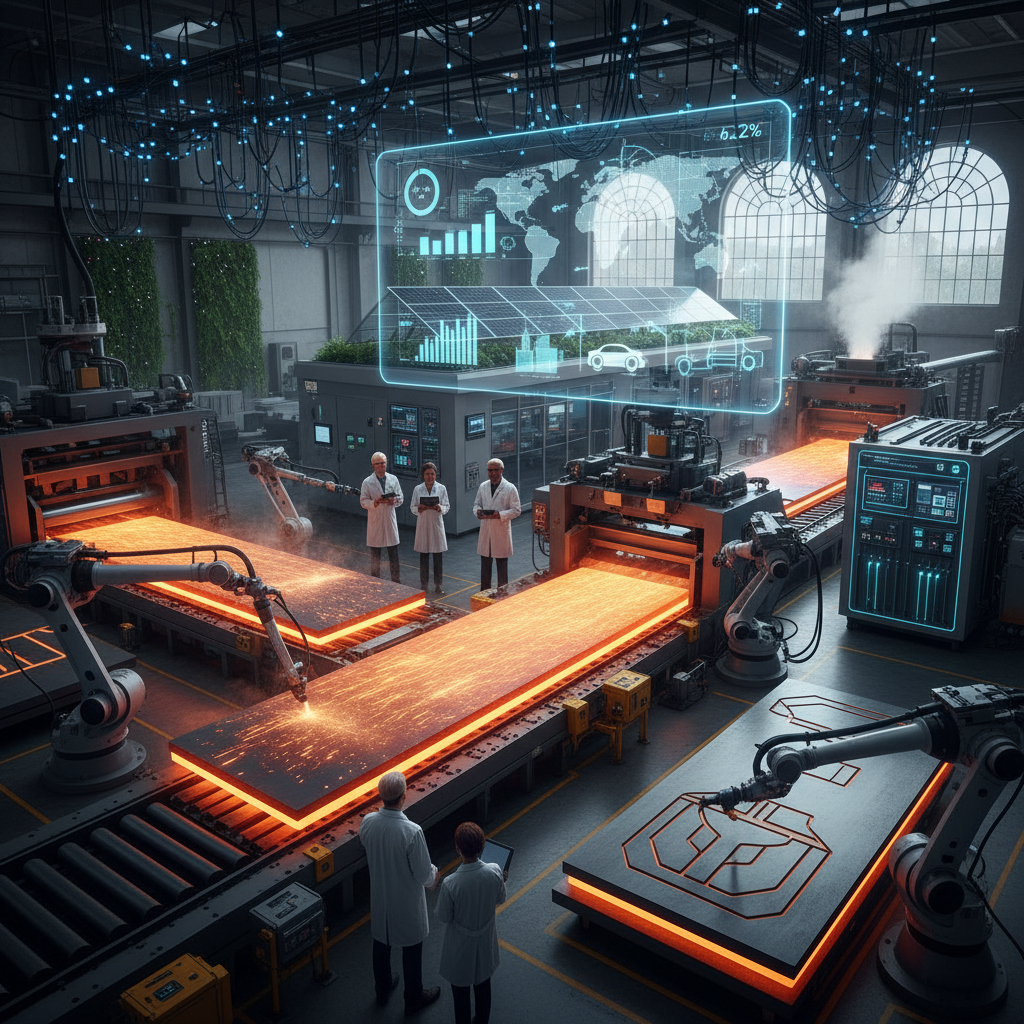
Industry expert Dr. James Hartman, a leading figure in materials engineering at the Steel Institute, emphasizes the potential of upcoming innovations: “The future of carbon steel plates lies in their enhanced properties and sustainability measures which can significantly reduce environmental impact while improving end-user efficiency." Notably, advancements in manufacturing techniques such as advanced coating technologies, hot-rolled and cold-rolled processes, and the integration of AI and IoT in production are expected to redefine how carbon steel plates are utilized across various applications.
In this context, it is essential to closely monitor the top trends shaping the carbon steel plate industry in 2025. This includes the rise of eco-friendly practices, smart manufacturing solutions, and innovative design approaches that not only meet the growing demands but also pave the way for a more sustainable and efficient future in material science and production.
Emerging Technologies in Carbon Steel Plate Manufacturing for 2025
As the demand for carbon steel plates continues to evolve, several emerging technologies are set to transform their manufacturing processes by 2025. Industry reports indicate that the global carbon steel market is projected to reach approximately $720 billion by 2025, driven by innovations that enhance production efficiency and material properties. Advanced techniques such as automated laser cutting and computer numerical control (CNC) machining are being integrated into manufacturing lines, allowing for greater precision and reduced waste. This not only lowers operational costs but also boosts production speeds, catering to the growing need for customized steel solutions.
In addition to automation, the adoption of artificial intelligence (AI) and machine learning in the manufacturing process is gaining traction. According to a recent study by McKinsey, implementing AI can enhance predictive maintenance, leading to a 20% reduction in unplanned downtime. This shift not only improves overall equipment effectiveness but also supports sustainability efforts by optimizing resource allocation. Furthermore, innovations in alloying processes, including the use of alternative raw materials and eco-friendly methods, are crucial in addressing environmental concerns related to carbon steel production. These advancements signal a pioneering shift in the carbon steel industry as it prepares for a more efficient and sustainable future.
Top 5 Carbon Steel Plate Trends and Innovations to Watch in 2025
Sustainability Practices Shaping Carbon Steel Production Processes in 2025
As the world increasingly prioritizes sustainability, carbon steel production processes are evolving to integrate environmentally friendly practices. By 2025, manufacturers are expected to adopt advanced recycling technologies that significantly reduce waste and energy consumption. These innovations not only minimize the carbon footprint of steel production but also enhance the efficiency of resource utilization, allowing for a more circular economy within the industry.
Additionally, the industry is likely to witness a surge in the use of renewable energy sources, such as solar and wind power, to significantly cut down on reliance on fossil fuels during steel manufacturing. This shift will not only reduce greenhouse gas emissions but also align production processes with global sustainability goals. The use of cleaner technologies will become a competitive advantage, driving forward a new wave of innovation in carbon steel production and setting a precedent for responsible manufacturing in 2025 and beyond.
Market Demands and Consumer Preferences Driving Innovations in Carbon Steel Plates
In 2025, the carbon steel plate market is expected to undergo significant transformations driven by evolving market demands and consumer preferences. With the increasing urgency for sustainable materials, industries are seeking innovative solutions that not only enhance performance but also minimize environmental impact. The integration of advanced technologies, such as electric arc furnaces, is becoming more prominent, allowing manufacturers to produce high-quality, low-carbon steel plates that meet the stringent requirements of various applications.
Tips: To stay competitive, companies should invest in research and development to anticipate emerging trends in sustainability and technology. Engaging with consumers to understand their preferences can facilitate the design of products that align with market expectations. Additionally, leveraging smart manufacturing processes can enhance efficiency and improve product offerings.
As consumer awareness regarding environmental issues rises, the demand for eco-friendly materials, like carbon steel plates with lower carbon footprints, will expand. Innovative products that combine functionality with sustainability can attract discerning buyers in the automotive and construction sectors, making them pivotal in shaping the future of the carbon steel plate industry.
Advancements in Coatings and Treatments for Enhanced Durability of Steel Plates
In 2025, advancements in coatings and treatments for carbon steel plates are poised to define the market, particularly with the increasing demand for hot-dip galvanized steel (HDGS) in sectors like automotive and infrastructure. According to recent industry analyses, the U.S. hot-dip galvanized steel market is expected to experience significant growth, driven by the need for enhanced durability in high-speed rail systems and water distribution networks. Recent developments in HDGS coatings have shown promising results, emphasizing the importance of durability and corrosion resistance in extending the lifespan of steel applications.
Moreover, innovations in powder coating technologies are addressing challenges related to edge corrosion protection. A new direct-to-pretreated metal powder has been introduced, outpacing traditional coating options in corrosion resistance performance. This advancement is crucial as industries continue to prioritize longevity and reliability in their materials. The integration of advanced coating systems and surface treatments not only enhances the durability of steel plates but also supports sustainability goals by reducing maintenance needs and extending service life across various applications. These trends underscore the dynamic nature of material science innovations in steel production, as companies seek to leverage cutting-edge coatings to meet the demands of the future.
Top 5 Carbon Steel Plate Trends and Innovations to Watch in 2025 - Advancements in Coatings and Treatments for Enhanced Durability of Steel Plates
| Trend/Innovation |
Description |
Projected Impact |
| Advanced Coatings |
Development of new coatings that provide enhanced resistance to corrosion and wear. |
Improved longevity and lower maintenance costs for steel plates. |
| Thermal Treatments |
Innovations in heat treatment processes to enhance strength and toughness. |
Higher performance in critical applications with reduced risk of failure. |
| Eco-Friendly Solutions |
Use of sustainable materials and processes in the production of steel plates. |
Reduction of environmental impact and compliance with regulations. |
| Smart Coatings |
Integration of sensors in coatings to monitor conditions in real-time. |
Proactive maintenance and improved operational efficiency. |
| Nanotechnology Enhancements |
Utilization of nanomaterials to create superior surface properties. |
Enhanced performance characteristics such as increased hardness and reduced friction. |
Future Applications of Carbon Steel Plates in Renewable Energy and Infrastructure Projects
In the coming years, the role of carbon steel plates in renewable energy and infrastructure projects is set to evolve dramatically. As nations increasingly commit to green energy initiatives, carbon steel plates will become crucial in constructing energy-efficient structures such as wind turbines and solar panels. Their strength and durability make them ideal for withstanding harsh environmental conditions, ensuring the longevity and resilience of renewable energy installations.
Moreover, advancements in carbon steel technology are likely to enhance their applications in infrastructure projects. The integration of smart materials that can respond to environmental changes will create opportunities for more innovative designs and construction methods. Carbon steel plates could be utilized in the development of sustainable buildings and transportation systems, providing a structural backbone that supports enhanced energy efficiency while reducing carbon footprints.
As innovations continue, these plates will not only fulfill aesthetic and structural needs but will also contribute significantly to a sustainable future.