What is Carbon Steel Plate and Its Key Applications?
Carbon Steel Plate is a fundamental material in various industries. Experts emphasize its significance in construction and manufacturing. According to Dr. Jane Smith, a renowned metallurgist, “Carbon Steel Plate is the backbone of structural integrity in engineering applications.” This statement captures the essence of why this material is so widely used.
The versatility of Carbon Steel Plate makes it essential in many sectors. It is favored for its strength and durability. Structures made from carbon steel can withstand extreme conditions. Many architects and engineers rely on it for safety and longevity. However, there are challenges. Corrosion can impact carbon steel’s performance over time. Proper treatment and maintenance are necessary to ensure its efficacy.
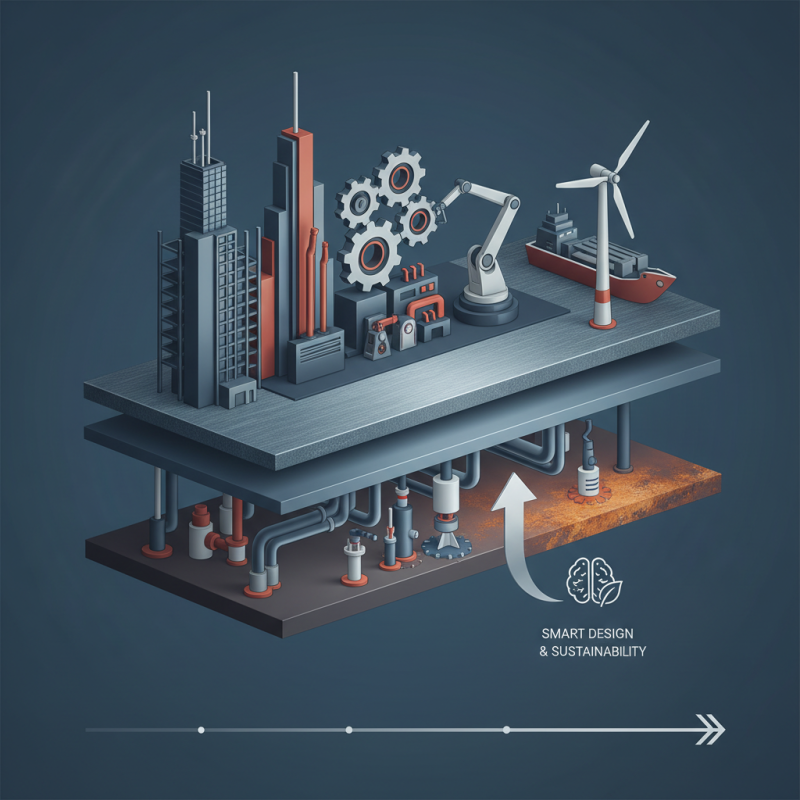
Understanding Carbon Steel Plate and its key applications is crucial for engineers. It is not just about strength; it is about smart design and sustainability. As industries strive for better materials, reflection on practices is vital. The journey of using Carbon Steel Plate continues to evolve with time. Recognizing both its benefits and limitations is essential for future advancements.
Definition and Characteristics of Carbon Steel Plate
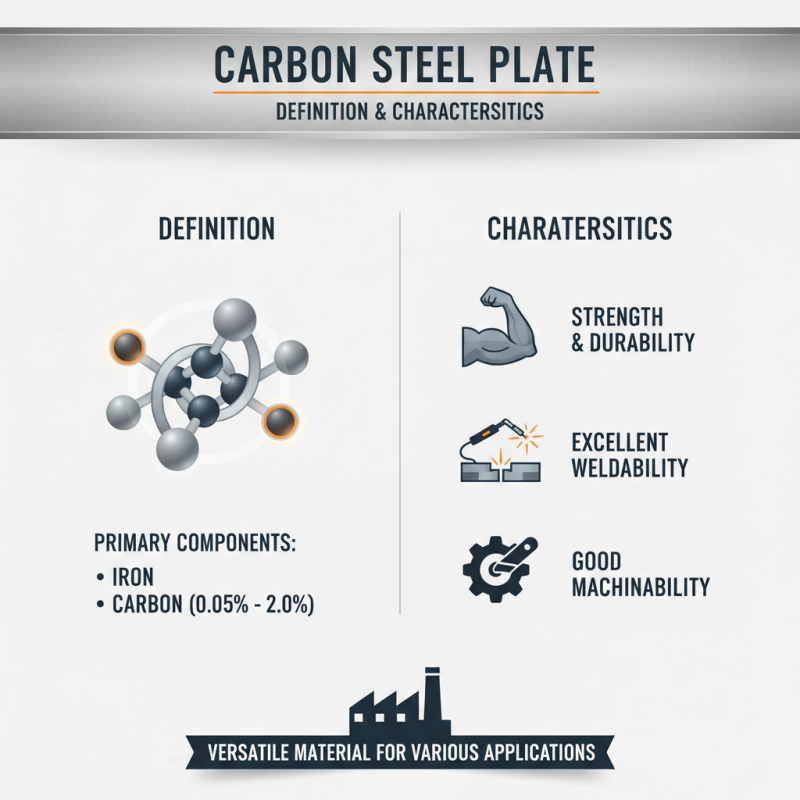
Carbon steel plate is a versatile material known for its strength and durability. It is primarily made from iron and carbon. The carbon content typically ranges from 0.05% to 2.0%. This composition gives it unique properties. It has excellent weldability and machinability, making it suitable for various applications.
In construction, carbon steel plates are frequently used. They form structural beams, columns, and base plates. These plates can withstand heavy loads and harsh conditions. They are also prevalent in manufacturing machinery and equipment. Their toughness ensures they can handle stress and pressure effectively.
**Tip:** When choosing carbon steel, consider its thickness for your specific project. Thicker plates offer more strength but may be heavier and more challenging to work with.
Despite its advantages, there are some downsides. Carbon steel can corrode over time. Proper treatment or coatings are necessary for outdoor applications. Neglecting this could lead to premature failure.
**Tip:** Regular inspections of carbon steel structures can identify potential weaknesses early. Maintenance is key to prolonging their lifespan.
Types of Carbon Steel Plates and Their Composition
Carbon steel plates come in various types, each with its own unique composition. Common types include low, medium, and high carbon steel.
Low carbon steel plates contain up to 0.3% carbon. They are malleable, easily shaped, and widely used in construction.
Medium carbon steel plates have a carbon content of about 0.3% to 0.6%. These plates offer a good balance of strength and ductility. They are often used in manufacturing automotive components and heavy machinery.
High carbon steel plates contain more than 0.6% carbon. These are harder and more brittle, making them suitable for cutting tools and wear-resistant applications. The challenge lies in their resistance to welding. Each type serves specific purposes, but the selection can lead to misunderstandings regarding their applications. Understanding the right composition is crucial for effective use.
Common Manufacturing Processes for Carbon Steel Plates
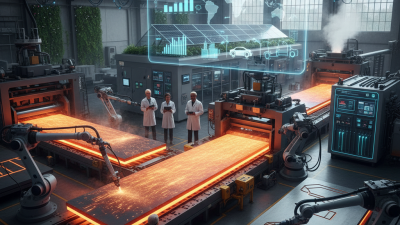
Carbon steel plates are essential in various industries. The manufacturing process is crucial for quality. Typically, these plates are produced using methods like hot rolling and cold rolling. According to industry reports, about 60% of carbon steel plates are made through hot rolling, which involves heating steel above its recrystallization temperature. This method improves ductility, making it easier to shape.
Cold rolling accounts for a smaller percentage, around 30%. This process uses unheated steel to create thinner plates with better tolerances. Although it offers a smooth finish, it can be less forgiving during fabrication. Imperfections may arise, such as warping or uneven thickness.
Welding is also a significant process in the production of carbon steel plates. It ensures that the final product meets structural requirements. However, improper technique can lead to weak joints. Industry experts urge manufacturers to focus on quality control. Material flaws can compromise the integrity of crucial applications, from construction to automotive industries. Overall, attention to these processes is necessary for ensuring the reliability of carbon steel plates in demanding environments.
Key Industries and Applications for Carbon Steel Plates
Carbon steel plates are versatile materials used across various industries. Their resistance to wear and tear makes them a popular choice in manufacturing and construction. These plates are characterized by high strength and durability, making them suitable for heavy applications.
The construction industry relies heavily on carbon steel plates. They are used in beams, columns, and other structural components. Their ability to withstand load makes them essential for skyscrapers and bridges. Manufacturing facilities also utilize these plates in machinery and equipment. They can be found in everything from automobiles to heavy-duty trucks.
Energy and transportation sectors benefit significantly from carbon steel plates. In oil and gas industries, these plates form pipelines and storage tanks. Their corrosion resistance is crucial for these applications. In transportation, they are essential for shipbuilding and railcars. Despite their advantages, it's important to consider manufacturing tolerances and welding techniques, as improper methods can lead to failures. Continuous improvement in processes is vital in enhancing product reliability.
What is Carbon Steel Plate and Its Key Applications? - Key Industries and Applications for Carbon Steel Plates
| Application Area |
Key Features |
Common Thicknesses (mm) |
Typical Uses |
| Construction |
Strength, durability, weldability |
6 - 25 |
Structural beams, columns, and frames |
| Manufacturing |
Cost-effective, versatile |
5 - 30 |
Machinery components, tools |
| Automotive |
High tensile strength, formability |
2 - 10 |
Chassis parts, body panels |
| Energy |
Corrosion resistant, robust |
10 - 50 |
Pipelines, storage tanks |
| Shipbuilding |
High strength, tough |
6 - 40 |
Hull structures, decks |
Advantages and Limitations of Using Carbon Steel Plates
Carbon steel plates are widely recognized for their strength and versatility. However, using them comes with advantages and limitations that weigh on decision-making. One of the main benefits is cost-effectiveness. According to recent industry reports, carbon steel is generally cheaper than stainless steel and other alloys. This affordability makes it a popular choice in construction and manufacturing sectors.
On the downside, carbon steel plates are prone to rust and corrosion if not treated properly. This can lead to increased maintenance costs over time. Additionally, they have lower tensile strength compared to alloy and stainless steel, limiting their use in high-stress applications. In industries where failure is not an option, this characteristic can require additional layers of inspection or even reconsideration of material choice.
Tip: When working with carbon steel plates, always consider applying protective coatings. This will help extend the lifespan and efficiency of the materials. Remember to evaluate the specific demands of your project. Not every application will benefit equally from carbon steel. Sometimes it's worth taking a step back and reassessing the material choice to align it more closely with project requirements.
Key Applications and Properties of Carbon Steel Plates
Carbon steel plates are widely used in various industries due to their strength and versatility. The chart above illustrates the key applications of carbon steel plates, highlighting how they are utilized across different sectors, with the automotive industry leading in usage.