What is Carbon Pipe and Its Applications in Industry?
In the industrial landscape, Carbon Pipe plays a critical role across various sectors. Its unique properties make it ideal for applications that demand high strength and durability. Dr. Emily Johnson, a leading expert in materials science, emphasizes, “Carbon Pipe solutions revolutionize how industries approach piping systems.” This statement underscores the significant impact Carbon Pipe has.
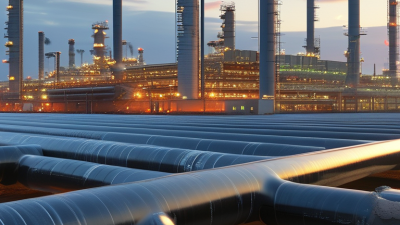
Carbon Pipes are prominent in oil and gas, construction, and manufacturing. Their resistance to corrosion and ability to withstand high pressures are essential characteristics. For instance, in the oil industry, Carbon Pipes transport crude oil efficiently over long distances. However, while its benefits are substantial, one must address potential challenges, such as maintenance and sustainability impacts.
The evolution of Carbon Pipe technology continues to spark innovation. Many industries need to consider adapting to new practices to enhance efficiency. Balancing performance with environmental concerns remains a reflective topic. As industries advance, the conversation about Carbon Pipe will undoubtedly shape future developments.
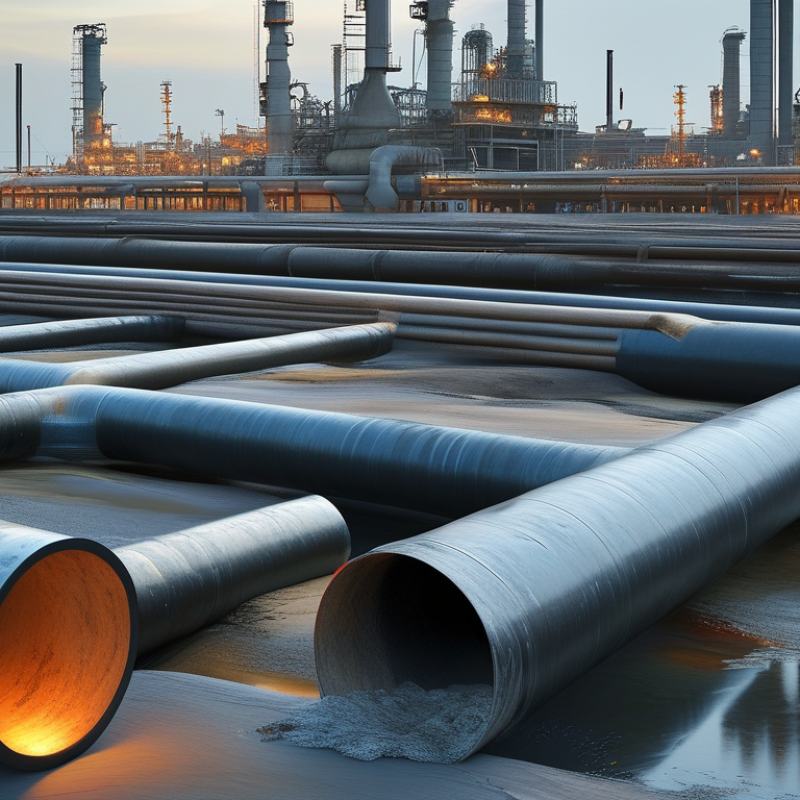
What is Carbon Pipe?
Carbon pipes are essential components in many industrial applications. They are primarily made from carbon steel, a blend of iron and carbon. This combination offers a strong, durable structure that withstands high pressure and temperature. Carbon pipes are commonly used in oil and gas industries, water supply systems, and construction projects. Their robust nature makes them suitable for harsh environments.
The manufacturing process of carbon pipes involves techniques like extrusion and rolling. These methods ensure uniform thickness and high-quality standards. Carbon pipes can be produced in various diameters and wall thicknesses, creating flexibility for different applications. They can handle fluids and gases under varying conditions, proving their versatility across sectors.
Despite their advantages, carbon pipes face challenges. Corrosion is a significant concern, particularly in wet environments. Proper protective coatings can mitigate this issue, but they may not always be sufficient. Regular inspections are crucial to ensure the integrity of carbon pipes in service. This helps identify any potential issues early, allowing for timely maintenance or replacement.
Composition and Properties of Carbon Pipe
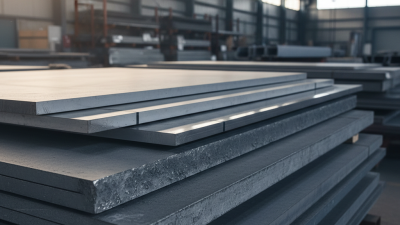
Carbon pipe is a crucial material in various industries. Its composition primarily includes carbon, which provides strength and resistance to wear. Carbon pipes are often made by welding steel plates or using seamless production methods. These processes ensure uniformity in thickness and strength across the pipe's length.
The properties of carbon pipe make it suitable for many applications. It offers excellent tensile strength, making it ideal for high-pressure environments. Carbon pipes are also highly durable, resisting corrosive agents and extreme temperatures. These attributes allow for their use in oil and gas, chemical processing, and construction industries. However, variations in manufacturing can affect quality. Not all carbon pipes meet the same standards, which can lead to unforeseen issues.
While carbon pipes are capable of withstanding harsh conditions, they may require coatings or treatments for enhanced corrosion resistance. Additionally, understanding the specific demands of each application is vital. Improper selection can result in premature failures. Users should always verify specifications and consult experts when making decisions regarding carbon pipe usage.
Manufacturing Processes of Carbon Pipe
The manufacturing process of carbon pipes involves several key steps. Initially, raw materials, primarily carbon, are sourced and prepared. The quality of carbon used significantly impacts the final product's strength and durability. Industry reports indicate that approximately 85% of carbon pipes are produced through seamless methods, providing superior mechanical properties.
Next, these materials undergo hot rolling or cold drawing processes. Hot rolling is preferred for thicker pipes, as it enhances ductility and reduces defects. Cold drawing, while time-consuming, improves dimensional accuracy and surface finish. According to studies, cold-formed pipes demonstrate a 20% increase in yield strength compared to hot-rolled counterparts. Nonetheless, this method often leads to higher production costs.
After shaping, pipes experience heat treatment to relieve internal stresses. This step is crucial as it affects fatigue resistance and lifespan. However, inconsistencies in temperature control can lead to suboptimal results. The final inspection phase evaluates structural integrity, often employing non-destructive testing. Reports suggest that about 15% of manufactured pipes fail to meet quality standards, highlighting the need for stringent oversight in the production process.
Industrial Applications of Carbon Pipe
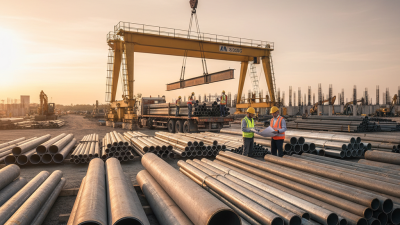
Carbon pipes are essential components in various industries. They are primarily known for their strength and durability. These pipes are often used for transporting fluids and gases. Additionally, they play a crucial role in construction and manufacturing processes. The applications are vast, but a few key sectors stand out.
In the oil and gas industry, carbon pipes are preferred for their resistance to corrosion. They handle high-pressure environments efficiently. Also, these pipes are flexible, allowing for easier installation in complex systems. In the chemical sector, carbon pipes are used to transport reactive substances. This requires careful selection and testing to prevent failures.
Tips: Ensure you regularly inspect carbon pipes for signs of wear. Preventive maintenance is key to avoiding unexpected shutdowns. Consider the operating conditions when selecting carbon pipe grades. Different environments require different materials.
Carbon pipes also have applications in water treatment facilities. Their robust construction allows them to endure harsh conditions. However, it is vital to assess the pipe's capabilities frequently. Sometimes, limitations in design or material can lead to issues like pressure loss.
Advantages and Limitations of Carbon Pipe in Industry
Carbon pipes are widely used in various industries due to their unique properties. They are made from carbon steel, which boasts high strength and durability. These pipes excel in transporting fluids, gases, and chemicals in oil and gas, construction, and manufacturing sectors. Their ability to withstand high pressure and temperature makes them a preferred choice for many applications.
However, carbon pipes do have limitations. They are prone to corrosion, especially when exposed to moisture and certain chemicals. This can lead to failure in systems that require long-lasting solutions. Regular maintenance is essential to monitor their condition and avoid expensive repairs. Additionally, while carbon pipes are strong, they can be heavier and less flexible than alternatives like polymer-based materials.
The benefits of carbon pipes often come with trade-offs. Their affordability makes them attractive for cost-conscious projects. Yet, the environmental impact of carbon production raises concerns. Thus, industries must weigh these factors when selecting materials for their specific needs.