Best Stainless Steel Plate Products for Your Projects?
In the world of construction and manufacturing, the choice of materials is crucial. Stainless Steel Plate is one of the preferred options. According to recent industry reports, demand for stainless steel products is projected to reach 50 million tons by 2025. This growth is driven by its durability and resistance to corrosion. However, selecting quality stainless steel plates can be challenging.
Different projects require different specifications. For instance, industrial applications often need thicker plates, while decorative elements may require thinner, more flexible options. A focus on quality is vital; many suppliers provide inconsistent thickness and finish quality. Reports indicate that up to 15% of stainless steel plates fail to meet client expectations due to such variances.
When considering stainless steel plates for projects, it is essential to evaluate several key factors. These include the grade of steel, surface finish, and supplier reliability. A careful choice can lead to long-lasting results, but it requires thoughtful consideration. Reflecting on these areas can improve outcomes and project success, making stainless steel plates a staple in various applications.
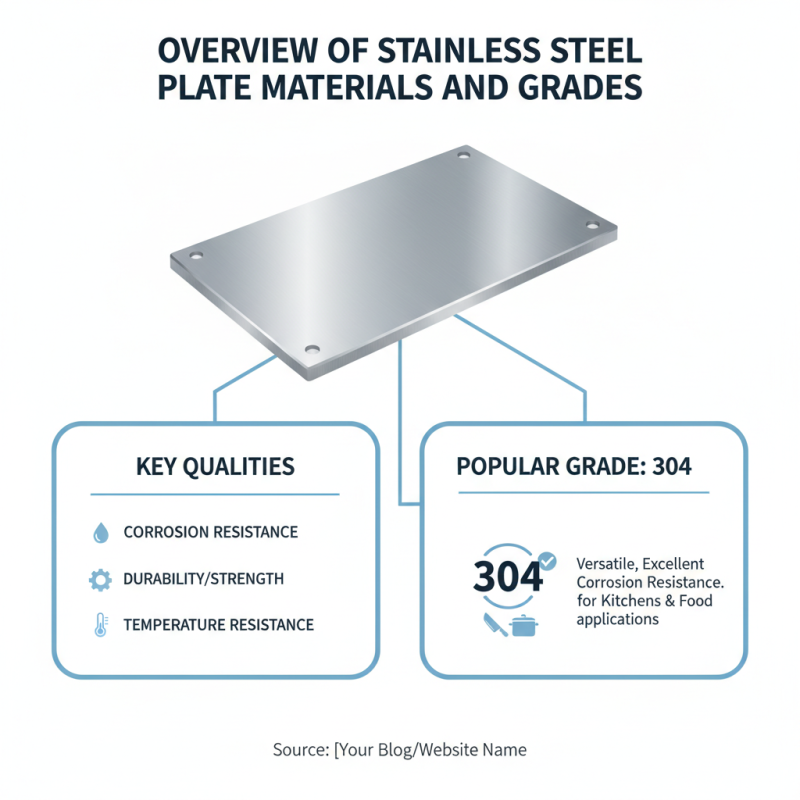
Overview of Stainless Steel Plate Materials and Grades
Stainless steel plates come in various grades. Each grade has unique qualities. These qualities affect their suitability for different projects. Grade 304 is popular for its corrosion resistance. It works well in kitchen applications.
Grade 316 offers even greater corrosion resistance. This makes it ideal for marine environments. It also withstands chemicals better than other grades. However, Grade 316 can be more expensive. Weigh the costs against your project needs.
Tips: Always check the thickness of the plate. This can impact its strength and durability. A thicker plate may be necessary for structural applications. Consider the finish as well. A polished surface may prevent rust better but can be more difficult to clean. Understanding these details is crucial for optimal selection.
Key Features to Consider When Choosing Stainless Steel Plates
When choosing stainless steel plates for projects, several key features are vital to consider. The grade of stainless steel significantly impacts durability and corrosion resistance. For instance, 304 grade is often preferred for its versatility. However, it may not perform as well in marine environments compared to 316 grade. Understanding your project's environment is essential.
Thickness is another critical factor. Stainless steel plates come in various thicknesses, usually ranging from 0.5 mm to 20 mm. Thicker plates provide higher strength, but they can be harder to work with. An industry report shows that projects using plates thicker than 10 mm often face challenges in welding and machining. It's important to balance strength with ease of use.
Finish type also matters. A brushed finish offers a sleek look while being resistant to scratches. On the other hand, a mirror finish is more aesthetic but can show dirt and fingerprints easily. A recent study indicates that 70% of projects prefer a brushed finish for practical applications. It’s crucial to reflect on these aspects to find the best fit for your needs.
Top Stainless Steel Plate Products for Various Applications
Stainless steel plates are versatile and widely used in various applications. They come in different grades, each offering unique properties. For example, 304 stainless steel is popular for its corrosion resistance. It is commonly used in kitchens and food processing facilities. This grade maintains its integrity under high temperatures, making it ideal for cooking equipment.
In construction, thicker stainless steel plates provide durability and structure. They withstand harsh environmental conditions, which is often a requirement in buildings and bridges. However, choosing the right thickness can be tricky. A plate that is too thin may buckle under stress. On the other hand, excessively thick plates can be cumbersome to work with.
Moreover, proper handling is essential. Scratches can compromise the protective coating, leading to rust. It’s crucial to store them correctly and avoid unnecessary exposure to moisture. Many projects benefit from the use of stainless steel plates, but attention to detail is vital to ensure their longevity and effectiveness.
Top Stainless Steel Plate Products Usage in Various Industries
Comparative Analysis of Leading Stainless Steel Plate Brands
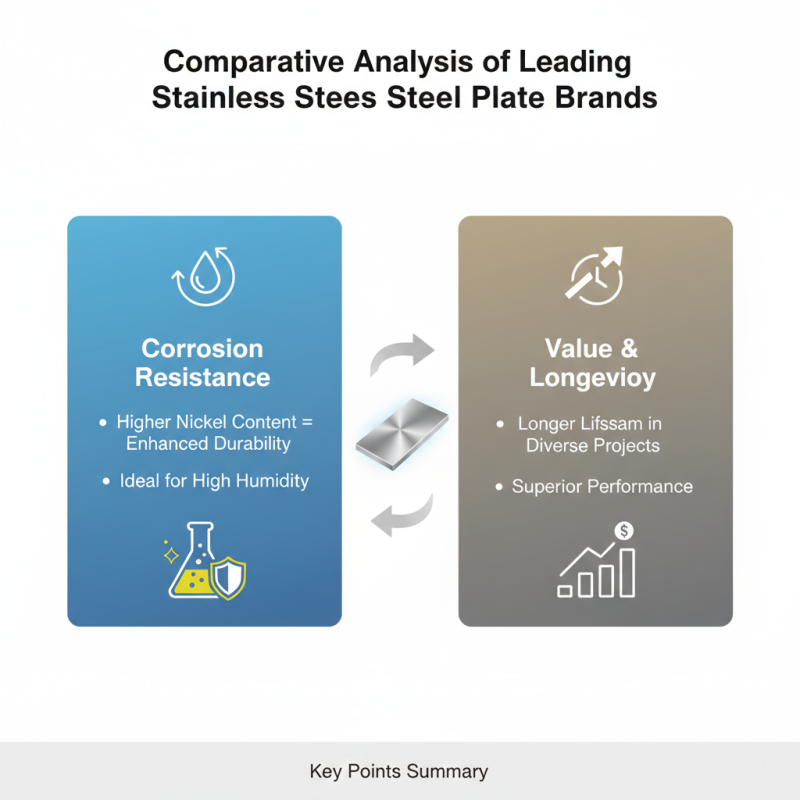
When analyzing leading stainless steel plate brands, several factors come into play. The material's corrosion resistance is paramount. Studies show that stainless steel plates with higher nickel content offer better durability. In environments with high humidity, these plates tend to last longer, reflecting their value in various projects.
Another critical aspect is the thickness and finish of the plates. A recent industry report states that 304-grade stainless steel is commonly preferred for heavy-duty applications. Yet, some projects might require different finishes, which can affect performance. For instance, a brushed finish can hide fingerprints but may wear more quickly. Choosing the right finish is essential, yet it often gets overlooked in material selection.
Cost is a significant consideration too. A balance between quality and price can be tricky. Some brands may emphasize low prices but compromise on essential qualities, leading to dissatisfaction. It's worth investigating the long-term costs of maintenance versus initial investment as this can impact overall project budgets significantly. Many buyers report regret over decisions made solely on price, underscoring the need for careful evaluation.
Maintenance and Care Tips for Stainless Steel Plates
When working with stainless steel plates, maintenance is key to their longevity. Regular cleaning is essential. Use warm soapy water and a soft cloth. Avoid steel wool or abrasive cleaners. These can scratch the surface. Rinse thoroughly and dry with a soft towel to prevent water spots.
Stainless steel can still tarnish or develop stains over time. Sometimes, even the best care can't prevent this. For tough stains, a mixture of baking soda and water can work wonders. Apply it gently, and let it sit for a while. Then, scrub lightly and rinse. Always test on a small area first. Protective coatings can help maintain shine. But, remember, they may wear off.
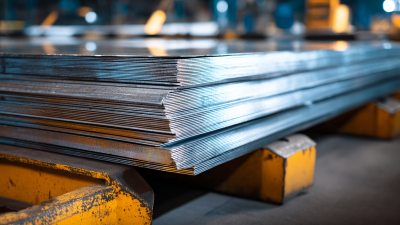
Storing stainless steel plates properly makes a difference too. Avoid stacking them without protection. Use felt pads or cloths between plates to prevent scratches. While stainless steel is durable, it isn't impervious. Sometimes, minor dents or scratches can happen. Embrace those imperfections; they tell a story of use.
Best Stainless Steel Plate Products for Your Projects - Maintenance and Care Tips for Stainless Steel Plates
| Product Type |
Thickness (mm) |
Finish Type |
Common Uses |
Maintenance Tips |
| 304 Stainless Steel Plate |
2.0 |
Brushed |
Kitchen Equipment |
Clean with mild soap and water |
| 316 Stainless Steel Plate |
3.0 |
Polished |
Marine Applications |
Avoid harsh chemicals |
| 430 Stainless Steel Plate |
1.5 |
Satin |
Decorative Uses |
Use a non-abrasive cleaner |
| Duplex Stainless Steel Plate |
4.0 |
Mirror |
Industrial Equipment |
Regular polishing recommended |