2026 Best Galvalume Coil Applications and Benefits?
Galvalume Coil has gained significant traction in recent years, particularly in the construction and manufacturing sectors. According to a report from Smithers Pira, the global market for coated steel is expected to grow by over 5% annually until 2026. This trend highlights the escalating demand for durable and corrosion-resistant materials like Galvalume Coil.
Expert in the field, Dr. Emily Chen, states, "Galvalume Coil combines the best properties of zinc and aluminum, making it ideal for various applications.” The unique coating offers superior protection against rust and weathering. Industries are now leveraging its advantages in roofing, siding, and automotive applications.
However, challenges remain. Many companies overlook the importance of proper installation and maintenance, leading to premature failures. As businesses continue to adopt Galvalume Coil, it’s crucial to address these common pitfalls. Understanding its benefits and potential drawbacks is vital for maximizing its performance and longevity.
Overview of Galvalume Coil and Its Composition
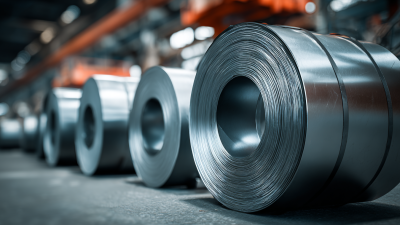
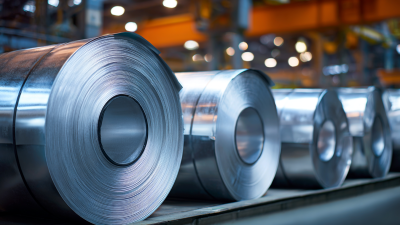
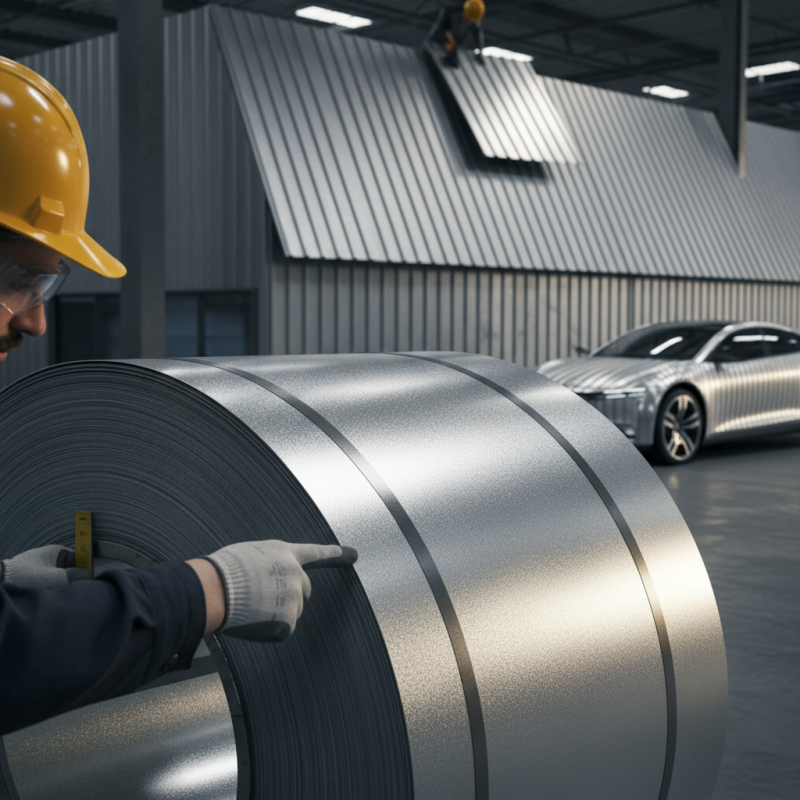
Galvalume coil is a unique material. It combines steel's strength with an aluminum-zinc alloy's protective properties. The composition of Galvalume primarily consists of
55% aluminum,
43.4% zinc, and
1.6% silicon. This blend provides exceptional corrosion resistance and durability. The result is a material that stands up to harsh environmental conditions well.
The reflective surface of Galvalume also enhances energy efficiency. It minimizes heat absorption, which can lower cooling costs. Many industries utilize Galvalume for roofing, siding, and gutters. Yet, it’s important to note that while Galvalume offers many benefits, it’s not devoid of challenges. Its application requires careful consideration of thermal expansion and contraction. Poor installation can lead to pooling water, which may compromise its lifespan.
Understanding the composition helps in choosing the right applications. The balance of aluminum and zinc influences the performance. However, the reliance on this material needs scrutiny. Not all environments are suitable for its use. Regular inspections are key to maximizing its longevity.
Key Applications of Galvalume Coil in Various Industries
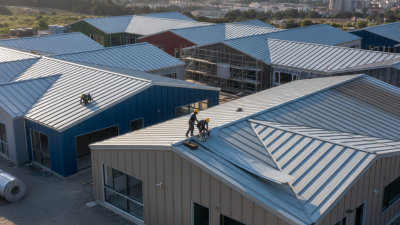
Galvalume coil is gaining traction in various industries for its superior properties. One of the key applications is in roofing. Its unique coating offers excellent corrosion resistance, making it ideal for both residential and commercial roofs. This material withstands harsh weather conditions, ensuring a longer lifespan for structures. However, there are cases where fading or improper installation leads to regrettable results.
Another significant application is in the automotive sector. Galvalume coil is used for manufacturing components like body panels. The lightweight nature contributes to fuel efficiency in vehicles. Its durability protects against rust, but using it requires precise techniques. Skipping these can cause cosmetic flaws or compromise structural integrity, which is something that needs careful consideration.
In the appliance industry, Galvalume coil is commonly found in washing machines and refrigerators. The aesthetic appeal of its finish enhances product design. However, there are challenges in maintaining the coating's appearance over time. Misjudged cleaning methods can leave marks or scratches, undermining the benefits of using this material. Overall, Galvalume coil serves diverse purposes but requires thoughtful application and maintenance to truly shine.
2026 Best Galvalume Coil Applications and Benefits
| Application Area |
Industry |
Benefits |
| Roofing |
Construction |
Excellent corrosion resistance, long lifespan |
| Siding |
Residential and Commercial Buildings |
Aesthetic appeal, low maintenance |
| Gutters and Downspouts |
Construction |
Durability, prevents rust |
| Building Framework |
Manufacturing |
Strength, lightweight |
| Automotive Parts |
Automotive |
High strength-to-weight ratio, corrosion resistance |
| Electrical Enclosures |
Electrical |
Safety, durability, weather-resistant |
Advantages of Using Galvalume Coil in Construction and Roofing
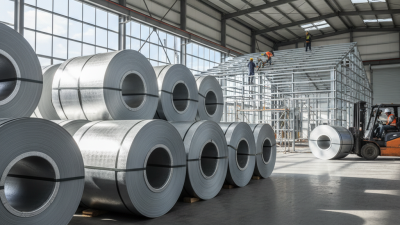
Galvalume coil has become a popular choice in construction and roofing. It offers a unique blend of strength and durability. According to industry reports, buildings using Galvalume can last up to 60 years with minimal maintenance. This long lifespan can save costs significantly for owners.
One major advantage of Galvalume coil is its resistance to corrosion. In harsh environments, steel can degrade quickly. However, Galvalume features a protective coating that enhances its longevity. It minimizes rusting, which is critical for roofing materials exposed to elements. Studies indicate that structures with Galvalume can experience up to 50% less corrosion compared to standard steel.
Energy efficiency is another benefit. Galvalume reflects heat, which can reduce cooling costs. Buildings can see a decrease of up to 25% in energy usage during hot months. However, reflective coatings may require careful consideration in design. Ineffective application can lead to uneven surfaces, affecting both performance and appearance.
2026 Best Galvalume Coil Applications and Benefits
This chart illustrates the primary applications of Galvalume Coil in various industries as of 2026. The data shows that the construction and roofing sectors dominate its usage, highlighting the material's significant advantages in these areas.
Comparative Analysis of Galvalume vs. Other Metal Coatings
Galvalume has emerged as a popular choice for metal coatings. Its unique blend of aluminum and zinc offers excellent corrosion resistance. Compared to traditional galvanized coatings, Galvalume demonstrates superior longevity in harsh environments. This makes it a preferred option for roofing and siding in commercial and residential projects. In humid or coastal regions, Galvalume outperforms many other coatings.
However, it is essential to consider applications holistically. While Galvalume is effective, it may not be ideal for every situation. For instance, painted coatings may offer better aesthetics for architectural applications. The finish might also be more suited for decorative purposes. Additionally, some industries, like automotive, often lean towards alternative coatings for specific functionalities.
Evaluating the right metal coating requires understanding project needs. Galvalume's benefits are clear, but it's not universally perfect. Each coating has strengths and weaknesses. Remembering this can lead to better material choices in construction and manufacturing. Thus, a comparative analysis will lead to more informed decisions.
Future Trends in Galvalume Coil Technology and Market Growth
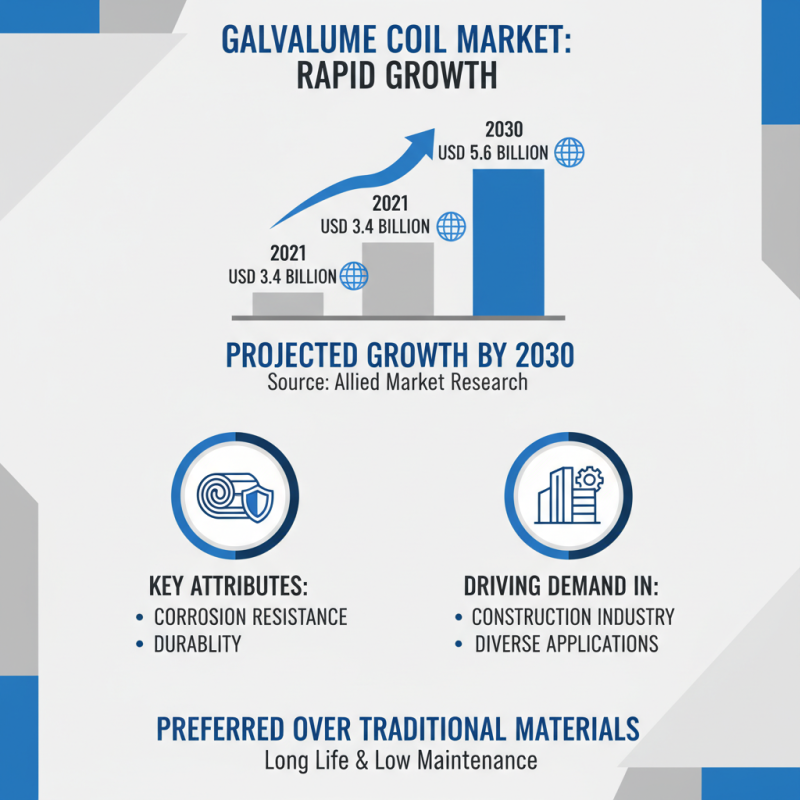
The Galvalume coil market is experiencing significant growth, driven by increasing demand in diverse applications. According to Allied Market Research, the global Galvalume coil market size was valued at USD 3.4 billion in 2021 and is projected to reach USD 5.6 billion by 2030. This growth is attributed to the coil’s excellent corrosion resistance and durability. Industries like construction increasingly favor Galvalume over traditional materials due to its long life and low maintenance.
Advancements in Galvalume technology contribute to this trend. Innovations in coating and application methods enhance performance. For example, the development of more eco-friendly coatings lowers environmental impact. Reports indicate that demand for sustainable materials is rising, with consumers favoring products that align with their values. This presents a challenge: balancing performance and sustainability. Manufacturers must innovate while also considering cost implications.
Despite the positive outlook, potential obstacles exist. The volatility in raw material prices can affect market stability. Additionally, the industry faces fierce competition from alternative materials. The focus on high-performance, cost-effective solutions requires continuous adaptation. Companies must invest in research and development to stay ahead. Balancing innovation with practicality will be key for future growth in the Galvalume coil market.