Best Cold Rolled Coils for Global Buyers in 2026?
In recent years, Cold Rolled Coils have gained significant attention in the global market. These materials are essential for various industries, including automotive, construction, and manufacturing. As we approach 2026, understanding the best options available is crucial for buyers seeking quality and reliability.
The landscape of Cold Rolled Coils is evolving rapidly. Buyers must navigate diverse suppliers and product specifications. Many manufacturers strive to meet higher standards. However, inconsistencies can arise, making it necessary for buyers to conduct thorough research.
The demand for Cold Rolled Coils is influenced by global economic trends. Buyers should focus on material quality and production methods. Engaging with reputable suppliers is essential, but challenges remain. Market expectations shift, and choices can be overwhelming. Ultimately, choosing the right Cold Rolled Coils requires careful evaluation and informed decision-making.

Best Cold Rolled Coils: Global Market Overview for 2026 Buyer Insights
As the global market for cold rolled coils evolves, buyers must stay informed. The demand for high-quality steel products remains robust. Analysts forecast growth in various sectors, including automotive and construction. Buyers should consider both quality and pricing factors.
Expert insights reveal that the procurement process is often challenging. Many buyers struggle with fluctuating prices and inconsistent quality. It's crucial to establish strong relationships with suppliers. Trust and reliability play significant roles in the procurement journey.
Moreover, sustainability is now a critical consideration. Companies must reflect on their environmental impact. Choosing eco-friendly manufacturing processes is increasingly important. However, achieving this balance can be difficult. Buyers must discern between cost and sustainability. Engaging with industry experts can provide valuable guidance in navigating these complexities.
Key Suppliers of Cold Rolled Coils and Their Global Market Share in 2026
In 2026, the global cold-rolled coil market shows significant growth potential. According to a recent industry report, the market is expected to reach $250 billion by 2026. This growth is driven by increasing demand from sectors like automotive, construction, and consumer goods. Notably, cold-rolled coils are favored for their superior surface finish and dimensional accuracy.
Key suppliers are emerging as market leaders. The top players control nearly 50% of the global market share. Their competitive advantages include technological innovation and consistent quality. However, geographic distribution is uneven. Regions like Asia Pacific and North America dominate production, but emerging markets are gaining traction. This shift presents challenges for established suppliers as they adapt to changing dynamics.
Market trends indicate a growing shift towards sustainability. Buyers are increasingly prioritizing suppliers that demonstrate eco-friendly practices. Transparency in the supply chain is becoming essential. Yet, some suppliers may struggle to meet these expectations consistently. The evolving landscape requires both buyers and suppliers to remain agile and responsive to industry demands.
Trends in Cold Rolled Coil Production: Innovations and Forecasts for 2026
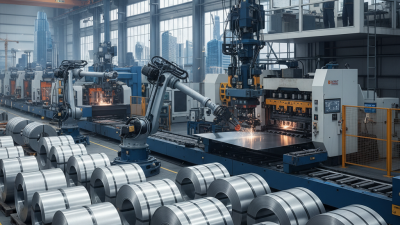
The global cold rolled coil market is poised for transformative changes by 2026. Innovations in production processes will play a key role. According to a recent industry report, advancements in automation and AI are set to enhance efficiency by over 20%. These changes promise to decrease production costs while increasing output quality.
Sustainability remains a crucial factor. Companies are shifting toward greener practices. A significant percentage of production is expected to utilize recycled materials by 2026. This aligns with growing environmental regulations. Moreover, smart manufacturing technologies are becoming mainstream. These technologies not only improve precision but also minimize waste.
Challenges persist, however. Supply chain disruptions can affect raw material availability. Economic fluctuations may alter demand patterns unexpectedly. The industry must adapt to these uncertainties. Gathering accurate market data becomes essential for effective decision-making. The ongoing shifts highlight the need for adaptability among producers. Attention to detail will prove vital as the landscape evolves.
Pricing Analysis: Factors Influencing Cold Rolled Coil Costs in 2026
As we look forward to the market for cold rolled coils in 2026, pricing dynamics come into sharper focus. Several factors influence the costs in this sector, particularly raw material prices and supply chain complexities. In 2025, prices for key inputs, such as steel scrap, projected to rise by 5% due to supply shortages. This directly impacts the costs for manufacturers.
Additionally, global demand is changing. Emerging markets are increasing their consumption of cold rolled products, contributing to upward pressure on pricing. Reports indicate that demand may grow by 4-6% annually in the Asia-Pacific region alone. Environmental regulations are another variable. Manufacturers face higher compliance costs as they adopt greener technologies, further complicating the cost landscape.
Transport logistics also play a crucial role. Shipping costs have surged, affected by geopolitical tensions. A recent study shows that freight rates could climb by 10-15% in many areas. These factors create a challenging environment for both buyers and sellers, leading to uncertain pricing fluctuations. Clear strategies will be essential for navigating this evolving market scenario.
Best Cold Rolled Coils for Global Buyers in 2026 - Pricing Analysis
| Region |
Average Price (USD/ton) |
Main Influencing Factors |
Market Trend |
| North America |
950 |
Supply Chain Disruptions, Tariffs |
Stable |
| Europe |
1020 |
Energy Costs, Production Output |
Increasing |
| Asia-Pacific |
870 |
Demand Fluctuations, Raw Material Prices |
Volatile |
| South America |
900 |
Trade Policies, Political Stability |
Mixed |