What are the Benefits of Using Cold Rolled Coils for Your Business?
In today's competitive market, businesses are constantly seeking materials that enhance their manufacturing processes. One such material, Cold Rolled Coils, has gained significant attention for its versatility and strength. Industry expert, Dr. Sarah Thompson, states, "The precision and finish of Cold Rolled Coils can significantly boost production quality." Her insight reflects the growing importance of these coils in various sectors.
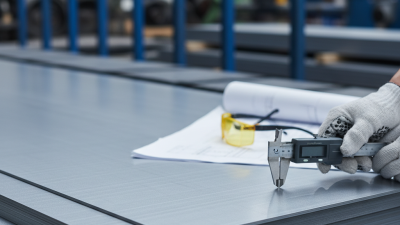
Cold Rolled Coils are known for their smooth surface and tight tolerances. These features lead to better machining and shaping, making them ideal for industries like automotive and construction. However, not all businesses leverage their potential. Some may underestimate the need for high-quality materials in achieving operational excellence.
Investing in Cold Rolled Coils can drive efficiency. Yet, businesses should consider their specific requirements. Understanding how these materials fit into production lines can be complex. A thorough assessment is necessary for maximizing their benefits while avoiding common pitfalls. Organizations must carefully weigh the advantages against their operational goals for optimal results.
Benefits of Cold Rolled Coils in Manufacturing Processes
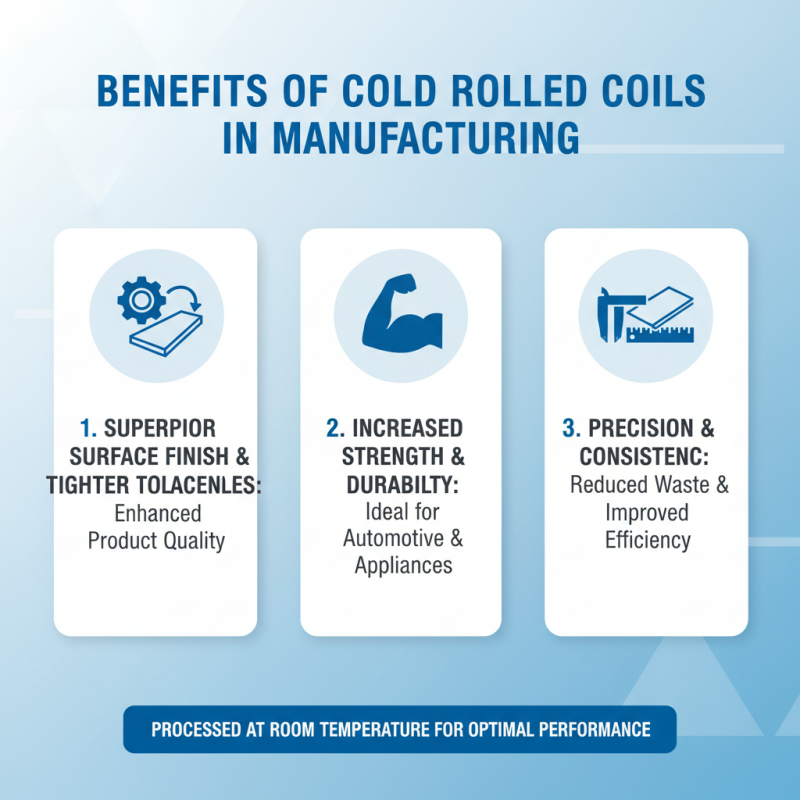
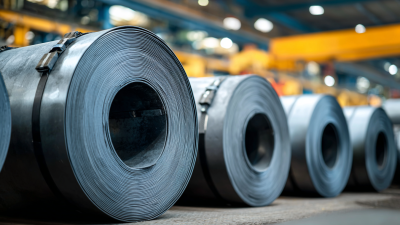
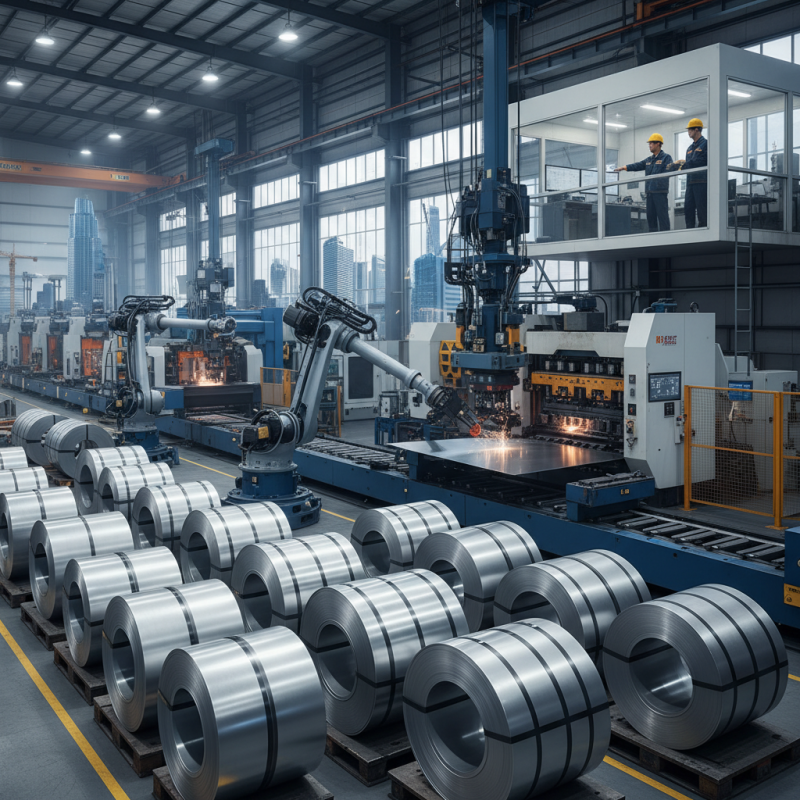
Cold rolled coils offer numerous advantages in manufacturing processes, making them a popular choice for various industries. These coils are produced by processing steel at room temperature, resulting in a smoother finish and tighter tolerances. This precision enhances the quality of the final products. Because of their improved strength, cold rolled coils work well in applications needing durability, such as automotive parts and appliances.
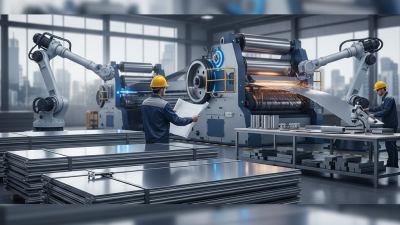
When incorporating cold rolled coils into your production, consider these tips. Ensure your machinery is calibrated correctly for handling these materials. Proper settings will minimize defects during processing. Additionally, maintain regular inspections of the coils for any surface imperfections. Addressing these minor issues early can prevent larger problems down the line.
Cold rolled coils also provide aesthetic benefits. Their smooth surface is often preferred in visible components. However, it’s essential to weigh these benefits against potential downsides. For instance, the enhancement in shape may come with increased brittleness. Manufacturers should carefully analyze the specific requirements of their products. Making informed choices can significantly impact the overall efficiency and quality of the production process.
Cost Efficiency of Cold Rolled Coils for Businesses
Cold rolled coils are increasingly popular in various industries. Their cost efficiency is one of the most compelling benefits. When businesses use cold rolled coils, they often see reduced material waste. The precision of the manufacturing process means less scrap metal. This contributes to lower production costs.
Another significant advantage is the strength of cold rolled coils. These materials offer higher tensile strength compared to hot rolled coils. This quality allows for thinner gauges without compromising durability. Businesses can save on shipping costs as well. Lighter materials reduce freight fees. However, it’s essential to balance cost and quality.
Tip: Always evaluate your specific needs. A cost-effective solution may not always be the best. Sometimes, investing in slightly pricier but superior quality materials can yield better long-term savings.
Tip: Regularly review suppliers and market prices. The fluctuating market can impact your overall expenses. Staying informed can help you make more strategic purchasing decisions.
Cost efficiency from cold rolled coils isn’t just about purchasing cheaper materials. It's about optimizing your entire process. Proper planning and assessment are key factors in realizing their financial benefits.
Enhanced Product Quality with Cold Rolled Coils
Cold rolled coils are gaining popularity in various industries due to their ability to enhance product quality significantly. These coils undergo a process that refines steel at room temperature, resulting in improved surface finish and tighter tolerances. According to a recent industry report by the American Iron and Steel Institute, products manufactured from cold rolled steel often exhibit up to 20% greater strength compared to those made from hot rolled materials. This strength is essential for applications that demand durability.
In addition to strength, cold rolled coils deliver superior surface smoothness, making them ideal for industries like automotive and appliances. The smoother surface finish reduces the need for extensive additional processing. For instance, in the automotive sector, manufacturers have noted a decrease in paint usage by 15% when utilizing cold rolled materials. However, the initial costs may be higher due to the specialized processing. Businesses should weigh these costs against long-term benefits like reduced maintenance and increased efficiency.
Despite these advantages, companies might face challenges in sourcing consistent quality materials. Cold rolled coils require precise control over production processes, and fluctuations can lead to variability in finished products. Ensuring supplier reliability becomes crucial. Adapting to the complexities of cold rolled coil usage is essential, and companies must be prepared to invest time in quality assessment practices to reap the full benefits.
Applications of Cold Rolled Coils in Various Industries
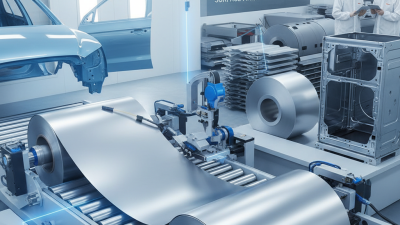
Cold rolled coils are essential in various industries due to their unique properties. These coils feature a smooth surface and high dimensional accuracy, making them ideal for precision applications. The automotive industry, for example, relies on cold rolled steel for components like chassis and body parts. According to a report by the World Steel Association, over 50% of all steel used in automotive manufacturing is cold rolled, underscoring its importance in this sector.
In the construction industry, cold rolled coils provide strength and durability. Structures benefit from the material's resistance to deformation under stress, crucial for safety. A study conducted by the Construction Products Association indicated that nearly 40% of cold rolled products are used in construction applications. The use of these coils in framing and roofing ensures buildings can stand the test of time, particularly in urban environments facing harsh weather.
However, some challenges exist. While cold rolled coils offer many advantages, the manufacturing process can be energy-intensive. This can lead to higher costs for small businesses without economies of scale. Additionally, the finish may need further treatment, such as coating, for specific applications. These factors should be considered when integrating cold rolled coils into production processes.
Sustainability Advantages of Using Cold Rolled Coils
Cold rolled coils are gaining attention for their sustainability advantages. The production process of cold rolling reduces material waste significantly. This method preserves more metal, which means less scrap and better recycling potential. Notably, cold rolled coils often require less energy compared to hot rolled alternatives, translating to lower carbon emissions.
Choosing cold rolled coils can also lead to longer product lifespans. These coils are known for their superior dimensional accuracy and surface finish. When components are built with high-quality materials, they tend to need fewer replacements. However, businesses must be mindful of the sourcing. Not all suppliers adhere to sustainable practices, raising a question of reliability in the supply chain.
Writing this blog has pushed me to rethink the role of material choice in sustainability. While cold rolled coils offer benefits, environmental impact does not solely hinge on the material itself. Processes in manufacturing and transportation also play critical roles. Thus, a holistic view is necessary to genuinely assess sustainability in any business decision.