2026 Top Trends in Steel Pipe Manufacturing and Applications?
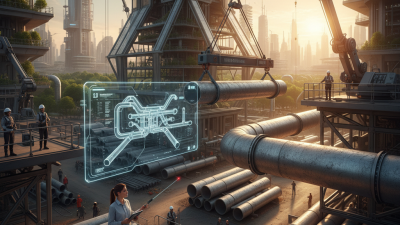
In the fast-evolving world of manufacturing, steel pipes stand out as crucial components. According to industry expert Dr. Emily Chen, “The future of steel pipe production lies in innovation and sustainability.” Her insight reflects the essence of upcoming trends shaping this sector.
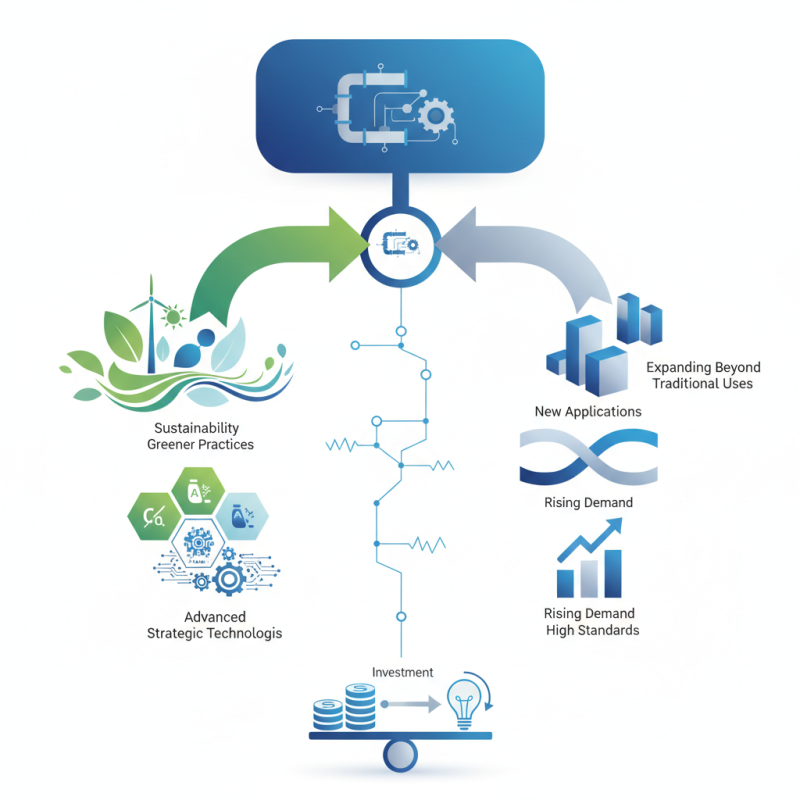
The landscape of steel pipe manufacturing is changing rapidly. Advanced technologies are enhancing production efficiency. Sustainability practices are becoming more essential. As demand rises, manufacturers face the challenge of meeting high standards while reducing their carbon footprint. Innovative methods are not just an option; they are a necessity.
Emerging applications for steel pipes are expanding beyond traditional uses. Industries like renewable energy embrace these materials for wind and solar projects. However, the journey is not without obstacles. Transitioning to greener practices and embracing new technologies requires significant investment and strategic planning. As companies navigate this transformation, they must also consider the balance between cost and innovation.
Trends in Raw Material Sourcing for Steel Pipe Production in 2026
In 2026, sourcing raw materials for steel pipe production will undergo significant changes. The global demand for steel is predicted to reach 1.8 billion tons, driven by construction and infrastructure projects. This high demand pressures manufacturers to secure high-quality raw materials efficiently. Scrap steel recycling is expected to account for over 45% of raw material sourcing, optimizing sustainability and reducing costs.
Moreover, region-specific sourcing patterns may evolve. According to market insights, northern regions are projected to bolster their iron ore supplies while southern regions may increasingly rely on imported scrap. This shift poses a challenge for logistics and supply chain management. Companies must adapt to fluctuating availability which may affect production timelines and costs.
In addition, alternative materials like polymer-coated pipes are gaining traction. These materials can enhance durability but pose a challenge in terms of initial cost. Some industry experts worry about the balancing act between innovation and traditional sourcing methods. The ability to pivot quickly in sourcing will be crucial, as price volatility remains a pressing issue in global markets.
Advancements in Steel Pipe Manufacturing Technologies and Processes
Advancements in steel pipe manufacturing are reshaping the industry. New technologies are emerging frequently. Automated processes now increase precision. This results in better-quality pipes. Additionally, smarter machines are cutting down energy usage. These improvements are vital for sustainability.
The integration of AI is also noteworthy. It allows for real-time monitoring of production. Although effective, it also brings challenges. Machines can malfunction unexpectedly. Human oversight remains critical to ensure safety. Moreover, training workers on these technologies takes time.
3D printing is gaining traction too. This method offers customization and reduces waste. However, it may not yet meet all industrial requirements. As the industry evolves, balancing innovation with practical application is crucial. These trends highlight a commitment to efficiency and sustainability. The road ahead may be rocky, but progress is undeniable.
2026 Top Trends in Steel Pipe Manufacturing and Applications
| Trend |
Description |
Impact on Industry |
Technological Advances |
| Automation and Robotics |
Increased use of automated systems for manufacturing processes. |
Enhanced efficiency and reduced labor costs. |
Implementation of robotic welding and assembly lines. |
| Sustainable Practices |
Integration of eco-friendly materials and recycling initiatives. |
Reduction of carbon footprint and regulatory compliance. |
Use of green manufacturing processes and energy-efficient technologies. |
| Advanced Materials |
Development of high-strength and lightweight steel alloys. |
Improved performance in demanding applications. |
Innovations in metallurgical engineering and processing techniques. |
| Smart Manufacturing |
Adoption of IoT and data analytics in production lines. |
Real-time monitoring and predictive maintenance capabilities. |
Deployment of connected devices and machine learning algorithms. |
| Customization and Flexibility |
Increased demand for tailored solutions in steel pipe products. |
Ability to meet specific customer requirements and market needs. |
Utilization of CAD and 3D printing technologies. |
The Role of Sustainability in Steel Pipe Applications and Production
Sustainability is becoming crucial in steel pipe applications and production. As industries aim to reduce their carbon footprint, the steel pipe sector must adapt. This involves using recycled materials and eco-friendly processes. For instance, innovations in manufacturing minimize waste and energy consumption. However, challenges remain. Not all facilities can easily implement these changes.
Utilizing sustainable methods isn’t just about compliance. It can also enhance market competitiveness. Companies that prioritize sustainability attract eco-conscious clients. However, there is a gap between intent and execution. Many manufacturers must rethink their current practices. Some may resist change due to costs or traditional methods.
The steel industry is not immune to scrutiny. Stakeholders demand transparency in sourcing and production. Missteps in these areas can lead to reputational damage. Continuous assessment and improvement in sustainability initiatives are essential. Real progress will only occur when the entire supply chain embraces these values. This requires collaboration and commitment across the board.
Market Demand and Growth Projections for Steel Pipe Industry by 2026
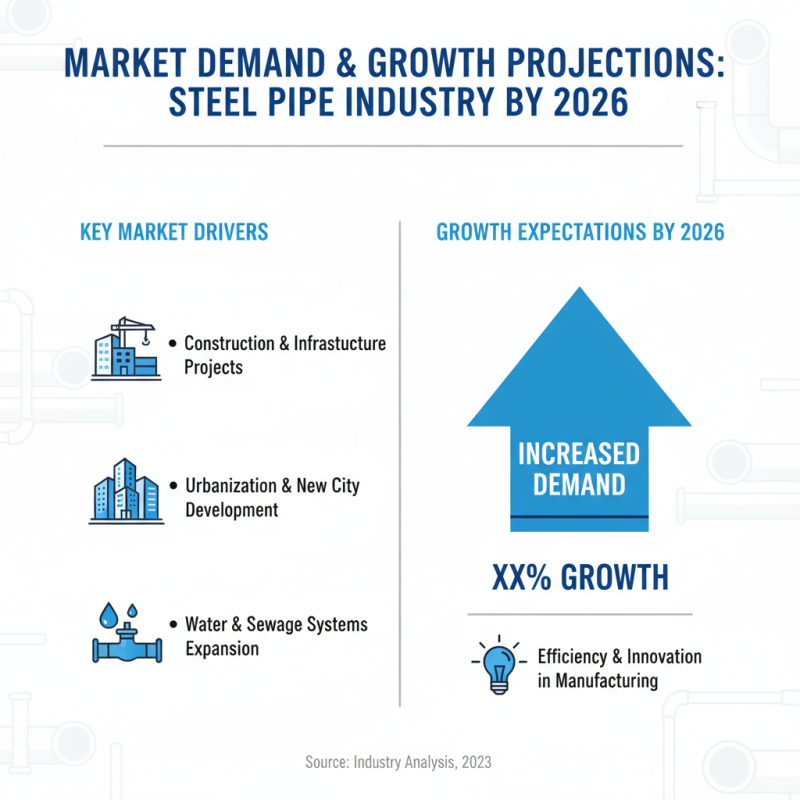
The steel pipe industry is witnessing significant shifts in demand. By 2026, various sectors are expected to drive growth. Notably, construction and infrastructure projects will require more steel pipes. Urbanization is increasing the need for reliable water and sewage systems. This demand for efficiency will push manufacturers to innovate.
Another factor is the rise of renewable energy projects. Solar and wind farms require robust steel piping for support structures. This transition to clean energy is reshaping industry forecasts. However, manufacturers face challenges in meeting quality standards and environmental regulations. Sustainability concerns continue to rise, urging companies to adopt greener practices.
The global landscape for steel pipes is evolving rapidly. Market demand will heavily rely on technological advancements. Automation and smart manufacturing can improve production efficiency. But these innovations bring a learning curve. Companies must adapt quickly to stay competitive. The road to 2026 shows promise, yet the journey is fraught with obstacles that require careful navigation.
Innovations in Coatings and Treatments for Enhanced Steel Pipe Performance
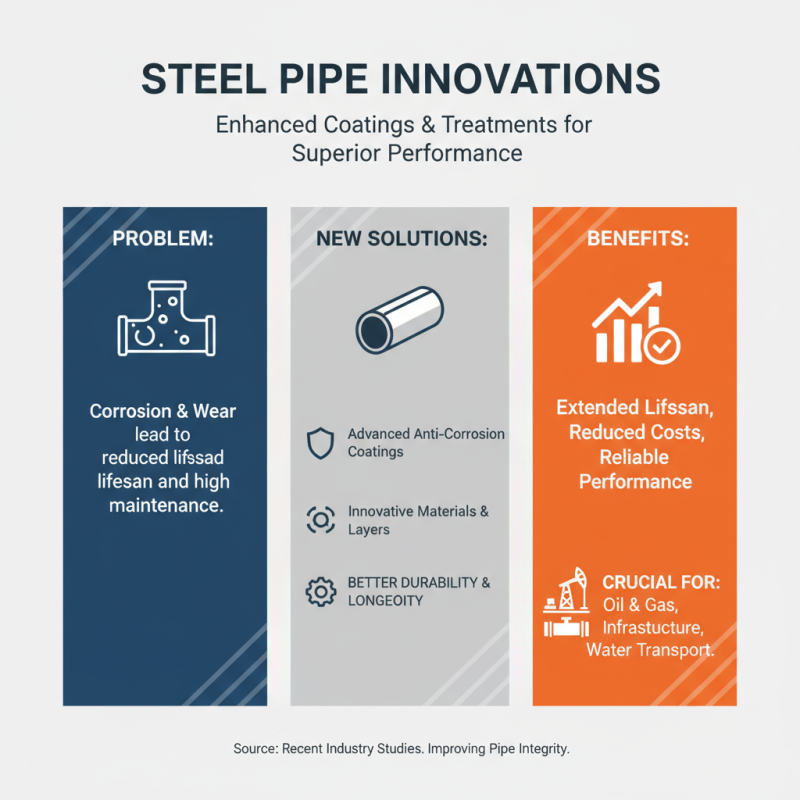
In recent years, steel pipe manufacturing has undergone significant changes, especially in coatings and treatments. New technologies aim to enhance performance and extend lifespan. For instance, recent studies show that advanced coatings can improve corrosion resistance by up to 40%. Using innovative materials leads to better durability and reduced maintenance costs. These improvements are essential for industries like oil and gas, where pipe integrity is crucial.
Thermal spraying has emerged as a popular method for coating steel pipes. This technique involves applying a melted material onto the surface, creating a strong bond. Reports indicate that this process can substantially increase the resistance of pipes to abrasive wear. However, challenges remain. The uniformity of the coating is not always guaranteed, which can lead to weak points. Manufacturers must address these inconsistency issues to maximize the benefits.
Another area of innovation is the use of nano-coatings. These coatings are thin yet highly effective, often enhancing properties like hydrophobicity. Data suggests that coatings of this type can reduce friction, which improves flow efficiency. Nevertheless, further research is necessary to understand long-term performance. Developers should focus on durability and environmental impact when creating these solutions.