2026 Best Color Coated Coil Options for Global Buyers
The global market for Color Coated Coils is ever-evolving, presenting distinct choices for buyers in 2026. Experts like Dr. Emily Wang emphasize the importance of quality, stating, "Selecting the right Color Coated Coil can drastically impact your project’s success." This insight highlights an intricate decision-making process that buyers must navigate.
In recent years, advancements in technology have led to a surge in innovative Color Coated Coil options. These materials not only enhance aesthetics but also improve durability. Many manufacturers are now integrating eco-friendly processes, making products more sustainable. However, with so many choices available, confusion often arises. Buyers might feel overwhelmed by options like finish types and color variations.
A solid understanding of the Color Coated Coil industry's dynamics is crucial. Buyers must carefully assess their specific needs and application demands. While there are numerous quality products, not all options will suit every purpose. Recognizing the subtle differences can be pivotal. Reflecting on previous experiences can lead to better decision-making and optimal results.

Overview of Color Coated Coils and Their Applications
Color coated coils are widely used across various industries, providing both aesthetic appeal and functional benefits. These coils are made of metallic substrate coated with a layer of organic coatings. They come in various colors and finishes, making them suitable for diverse applications. Industries like construction, automotive, and appliances commonly rely on these materials for their versatility and durability.
In construction, color coated coils are often utilized in roofing and wall cladding. They enhance visual attractiveness while offering weather resistance. Their lightweight nature reduces structural load, which is crucial in modern architecture. However, there are challenges. Not all coatings provide the same level of durability. Some may fade or chip over time, leading to higher maintenance costs.
In the automotive sector, these coils add a stylish touch to vehicles. They are used for panels and trims, combining aesthetics with functionality. However, achieving the right color match and finish can be complex. Variability in production processes can lead to inconsistencies, making it essential for manufacturers to monitor quality closely. These challenges present opportunities for innovation in the field of color coatings. Exploring new materials and technologies can yield better products.
Key Factors in Selecting the Best Color Coated Coil Options
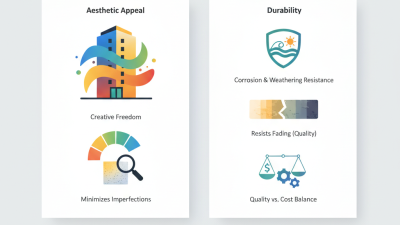
When selecting color coated coils, buyers must prioritize specific factors. The quality of the coating is essential. It should provide durability against corrosion and weather elements. Buyers should also consider the thickness of the coil. A thicker coil usually indicates better strength and longevity.
Another critical factor is the color selection. Colors can fade over time, especially under sunlight. It’s beneficial to choose colors with UV resistance. This can significantly enhance the lifespan of the product. Additionally, surface finish options, like matte or gloss, influence aesthetic appeal. Matching the finish to project requirements is vital.
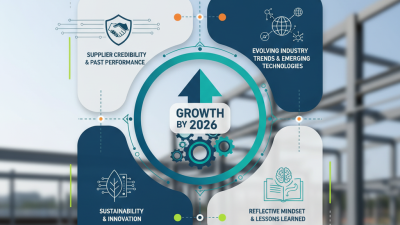
Buyers should research manufacturers thoroughly. Industry reviews and certifications often validate a manufacturer's credibility. Consulting professionals can also help in making informed choices. Reflecting on the decision-making process is crucial. Do not rush this important investment. Taking time ensures the best outcome for your projects.
Comparative Analysis of Color Coated Coil Materials
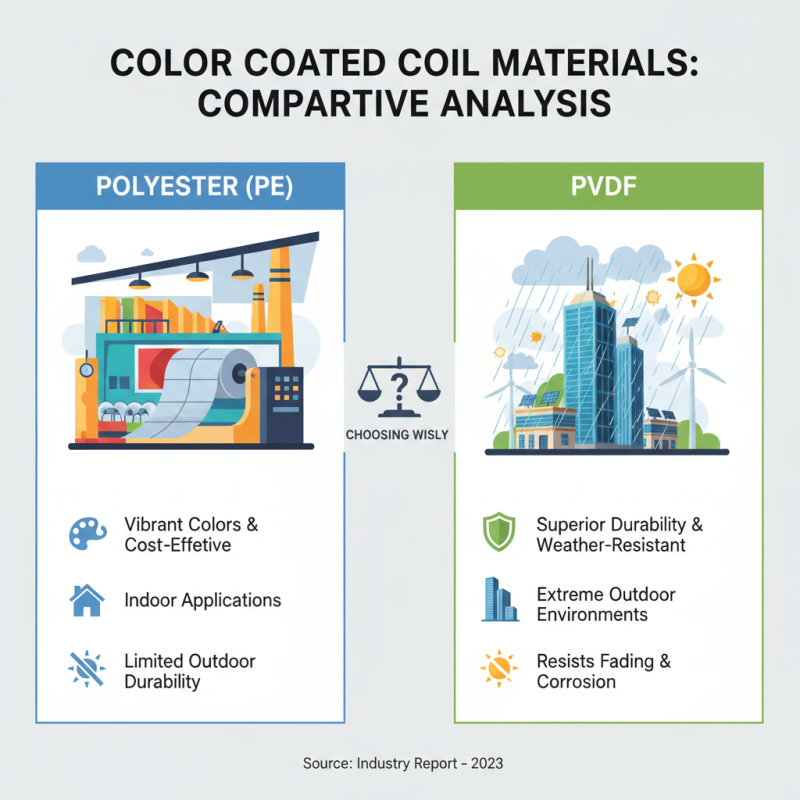
When choosing color coated coil materials, buyers must consider various factors. Each type of material offers unique benefits and drawbacks. For instance, polyester coils are known for their vibrant colors and cost-effectiveness. They are suitable for indoor applications, but they may not withstand harsh outdoor environments. In contrast, PVDF-coated coils provide superior durability. They can resist fading and corrosion, making them ideal for buildings exposed to extreme weather.
Galvanized steel is another popular option. It combines strength with excellent paint adhesion. However, this type of coil can be heavy and may complicate installation. The choice between these materials often depends on the specific project requirements. Experts recommend evaluating environmental conditions before making a decision. Ultimately, ensuring the right balance between aesthetics and functionality is essential. Conducting thorough research can prevent costly mistakes later on.
Trends and Innovations in Color Coated Coil Technology for 2026
In 2026, color coated coils will continue to play a significant role in various industries. Innovative technologies are reshaping production processes and improving product quality. According to industry reports, the global color coated steel market is projected to grow at a CAGR of 5.8% from 2023 to 2027. This growth stems from increasing demand in construction and automotive sectors.
Sustainability is a key trend in 2026. Manufacturers are adopting eco-friendly coatings and processes. Advanced materials can reduce carbon footprints. Many companies are also exploring recyclable options to meet sustainability goals. The desire for durability and aesthetic appeal cannot be ignored. Studies suggest that colors and finishes can enhance property values by up to 20%. Yet, the challenge lies in balancing aesthetics with performance.
Digitalization plays a crucial role in this industry. Smart manufacturing techniques are becoming commonplace. Real-time monitoring of production processes leads to fewer defects. However, the high initial investment in technology remains a barrier for smaller manufacturers. Experimentation with new coatings is necessary, yet risky. Forging ahead in this competitive market requires strategic innovations.